Introduction
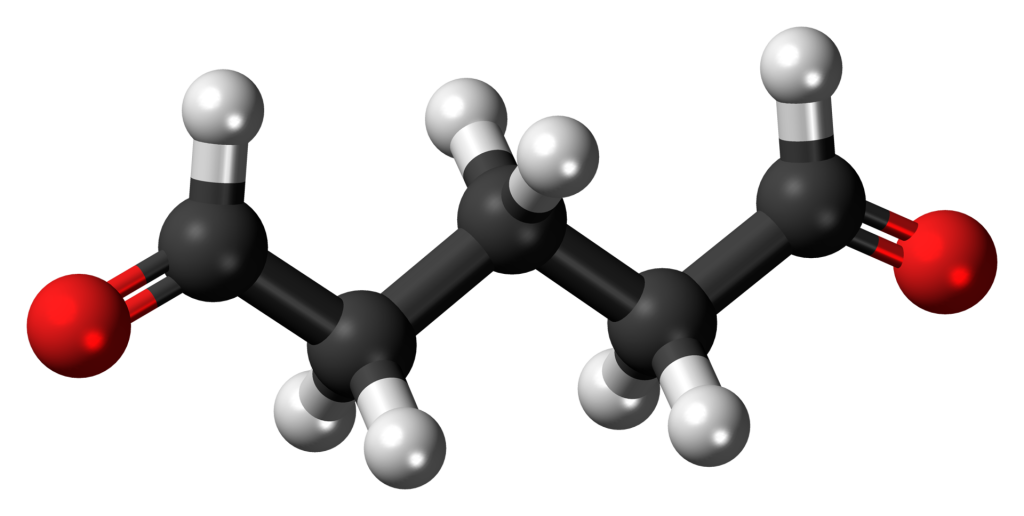
Glutaraldehyde is a versatile chemical compound widely used in medical sterilization, industrial water treatment, and as a fixative in laboratories. Known for its strong disinfectant properties, it is effective in killing bacteria, viruses, and fungi. However, exposure to glutaraldehyde poses significant health risks, making proper handling and monitoring essential.
Chemical Properties and Uses
Chemical Information
- Other Names: Glutaral, Pentanedial, Cidex
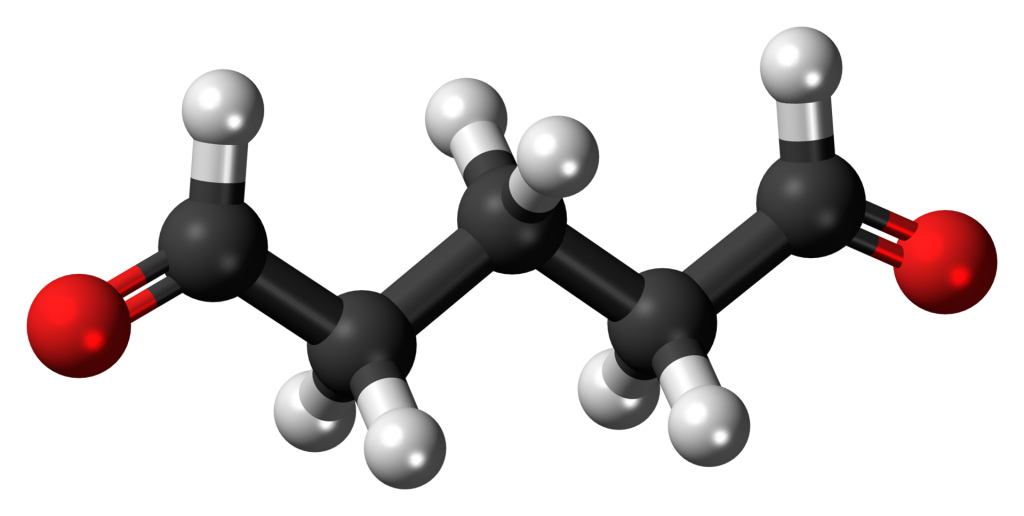
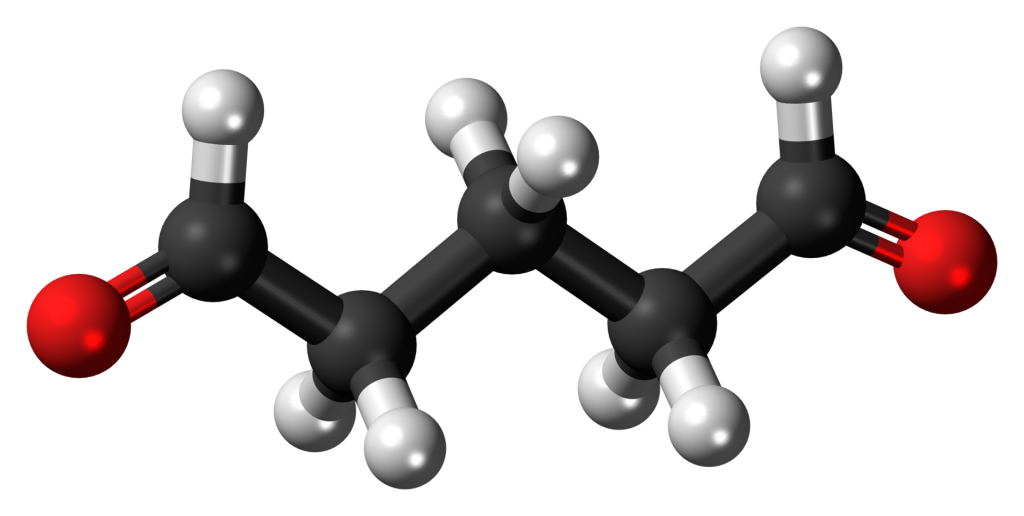
- Chemical Formula: C₅H₈O₂
- CAS Number: 111-30-8
- Physical State: Colorless liquid with a pungent, sweetish odor
- Solubility: Miscible with water, alcohol, and benzene
- Flammability: Non-flammable
Industrial Applications
Glutaraldehyde is commonly used in various industries due to its strong antimicrobial properties and chemical stability:
- Medical & Dental Disinfectant – Used for sterilizing surgical instruments and medical equipment.
- Water Treatment – Acts as a biocide to control microbial growth in industrial water systems.
- Fixative & Preservative – Used in laboratories and mortuaries for preserving biological specimens and tissue samples.
Health Risks and Exposure Hazards
Despite its usefulness, glutaraldehyde is toxic and can cause severe health effects upon exposure.
Short-Term Health Effects
- Inhalation: Causes irritation to the eyes, nose, throat, and lungs. Symptoms include coughing, wheezing, and difficulty breathing.
- Skin Contact: Can lead to dermatitis, chemical burns, and allergic reactions.
- Eye Contact: May result in redness, swelling, and severe irritation.
- Ingestion: Toxic if swallowed, causing abdominal pain, nausea, and dizziness.
Long-Term Health Risks
- Chronic exposure can lead to sensitization, asthma, and long-term respiratory issues.
- Repeated skin exposure increases the risk of permanent allergies and dermatitis.
Regulations and Safety Guidelines
The following organizations have set exposure limits for glutaraldehyde to ensure workplace safety:
| Limit/Level | Type | Organization |
|---|---|---|
| 0.2 ppm | Ceiling (C) | OSHA (Occupational Safety and Health Administration) |
| 0.2 ppm | Ceiling (C) | NIOSH (National Institute for Occupational Safety and Health) |
Measuring and Monitoring Glutaraldehyde Levels
As a Volatile Organic Compound (VOC), glutaraldehyde levels can be measured using VOC monitors or dedicated glutaraldehyde sensors.
All of those units can be found here: https://www.gas-sensing.com/support/gas-information/voc-sensors.html
Monitoring Methods:
- Glutaraldehyde Badges – Simple, color-changing badges that measure vapor exposure over time.
- VOC Monitors – Devices that detect various VOCs, including glutaraldehyde, using Heated Metal Oxide Sensors (HMOS) or Photoionization Detectors (PID).
- Specific Glutaraldehyde Sensors – Offer precise detection tailored for monitoring workplace air quality.
Proper ventilation, protective equipment, and monitoring are crucial for workplaces handling glutaraldehyde to prevent overexposure.
Conclusion
Glutaraldehyde is a powerful disinfectant and chemical fixative, but its toxicity requires careful handling and monitoring. Ensuring proper ventilation, protective gear, and regular air quality assessments can help minimize health risks associated with exposure.
For more information about VOC monitoring solutions and how to stay safe when working with glutaraldehyde, explore our VOC monitors and safety equipment.