Introduction
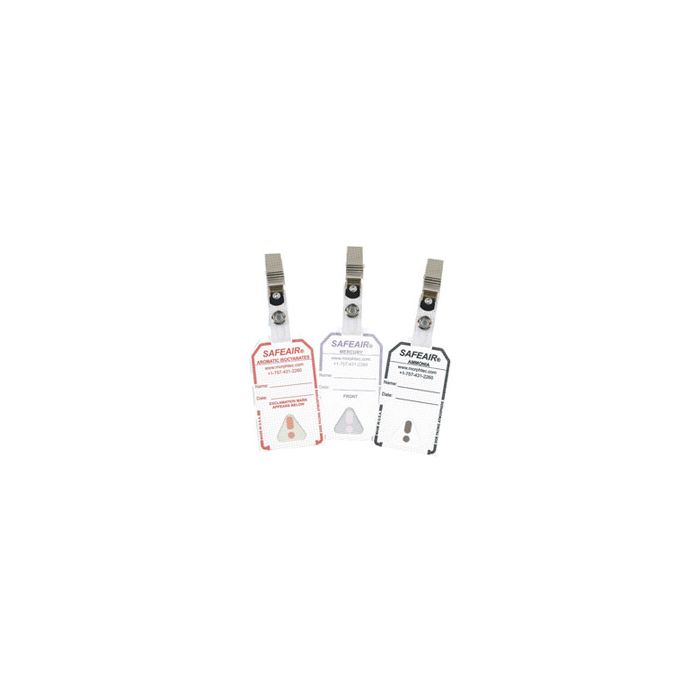
The SafeAir Sulfur Dioxide (SO₂) Badge is a simple yet effective chemical detection badge designed to provide a visual alert when sulfur dioxide is present in the environment. The badge features an exclamation mark that changes color from off-white to cranberry upon exposure to SO₂, allowing for immediate hazard recognition.
Ideal for personal or area monitoring, the SafeAir SO₂ Badge can be used for short-term (15 minutes) or long-term (up to 48 hours) monitoring, making it a valuable safety tool in workplaces where sulfur dioxide exposure is a concern.
Understanding Sulfur Dioxide (SO₂) Exposure
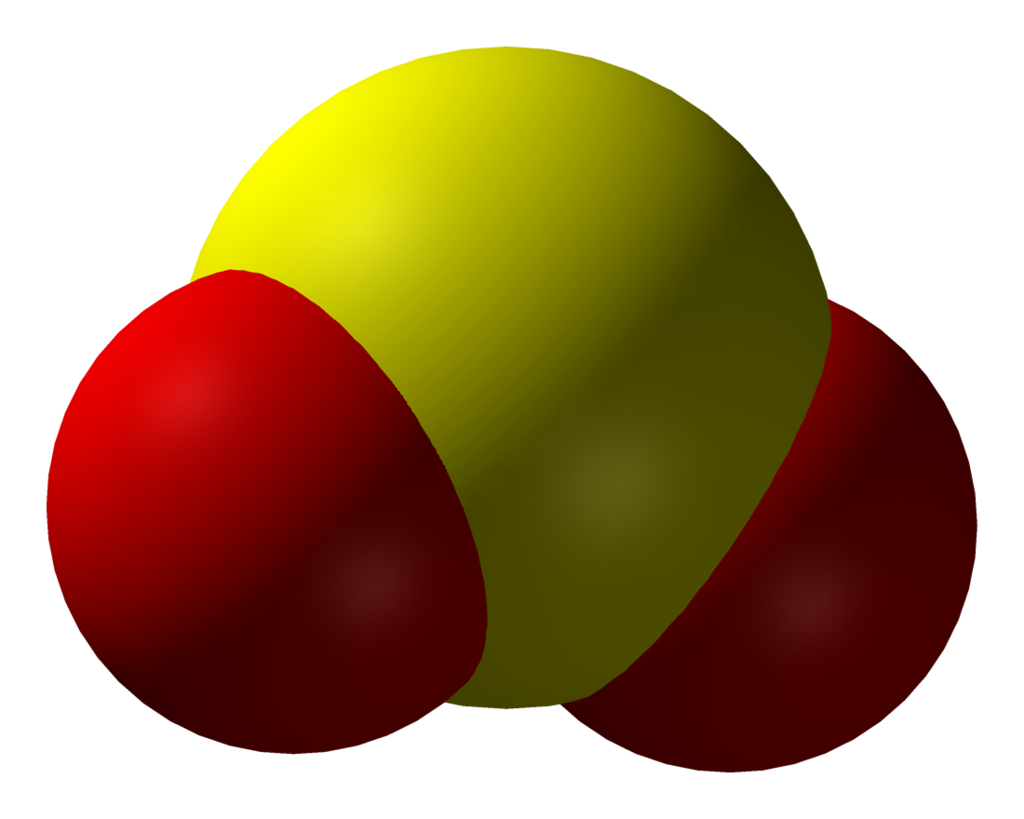
Sulfur dioxide is a colorless gas with a pungent, irritating odor. It is known for being highly corrosive and can cause serious health effects upon exposure.
Health Effects of SO₂ Exposure
- Mild exposure symptoms: Coughing, shortness of breath, wheezing, headache, and vomiting
- High concentration exposure: Severe respiratory damage, eye ulceration, and skin burns
- Occupational Safety Limits:
- OSHA & NIOSH permissible exposure limit: 2 ppm (TWA – Time-Weighted Average)
Common Sources of Sulfur Dioxide
Sulfur dioxide is a common industrial air pollutant emitted from various sources, including:
- Burning coal and fossil fuels in power plants and industrial boilers
- Metallurgical plants processing molten sulfide ores
- Manufacturing industries such as metal refining, leather processing, paper production, and fertilizer manufacturing
How the SafeAir SO₂ Badge Works
The SafeAir SO₂ Badge is a passive monitoring system that visually detects sulfur dioxide levels below the permissible exposure limit.
Detection Mechanism
- The badge features a flat indicator layer that reacts with SO₂ in the air.
- When SO₂ is present, a color-forming reaction occurs, displaying a cranberry-colored exclamation mark inside the triangle.
- This provides a clear and immediate visual cue of sulfur dioxide exposure.
How to Use the SafeAir SO₂ Badge
Step-by-Step Operating Instructions
- Preparation:
- Remove the badge from the refrigerator and allow it to warm to room temperature.
- Open the sealed protective pouch just before use.
- Badge Placement:
- For personal monitoring: Attach the badge near the breathing zone (e.g., on the collar).
- For area monitoring: Secure the badge on a stand in a centralized location.
- Exposure Monitoring:
- If sulfur dioxide is present, the exclamation mark appears inside the triangle.
- The printed exposure dose (ppm∙hr) on the badge helps determine the average SO₂ concentration.
- Data Interpretation:
- To calculate the average SO₂ concentration, divide the exposure dose (ppm∙hr) by the total exposure time (hours).
Storage Guidelines
For optimal performance, the SafeAir SO₂ Badge should be stored in a sealed bag and refrigerated when not in use. This preserves its sensitivity and ensures accurate detection.
Conclusion
The SafeAir Sulfur Dioxide Badge is a cost-effective, reliable, and easy-to-use solution for monitoring SO₂ exposure in industrial and workplace settings. With its simple color-change alert system, it provides immediate visual confirmation of sulfur dioxide presence, helping to protect workers and ensure compliance with safety regulations.
You can find this product here: https://www.gas-sensing.com/sulfur-dioxide-safeair-badge-382014-50.html