What is Water Hardness?
Water hardness is a measure of mineral content in water, primarily calcium (Ca²⁺) and magnesium (Mg²⁺) ions. Hard water forms when water passes through limestone and chalk deposits, which are rich in these minerals. The hardness of water affects everything from household cleaning to industrial processes and even the appearance of swimming pools.
There are two types of water hardness:
1. Temporary Hardness
- Caused by dissolved bicarbonate minerals (e.g., calcium bicarbonate).
- Can be removed by boiling or adding lime (calcium hydroxide).
2. Permanent Hardness
- Caused by calcium sulfate/calcium chloride and magnesium sulfate/magnesium chloride.
- These compounds do not precipitate when heated, so boiling does not remove them.
- Requires a water softener or ion exchange system for removal.
Effects of Hard Water
Hard water impacts both household and industrial applications in several ways:
1. Soap & Cleaning Efficiency
- Hard water prevents soap from lathering, forming soap scum instead.
- This makes washing less effective, requiring more detergent.
2. Scale Buildup in Plumbing
- Mineral deposits (scale) accumulate in pipes, restricting water flow.
- Scale can clog plumbing, reducing efficiency in appliances like water heaters and dishwashers.
3. Appearance of Swimming Pools
- Hard water in pools creates a turbid, milky appearance, making the water look cloudy.
Is Hard Water a Health Risk?
According to the World Health Organization (WHO), there is no convincing evidence that hard water negatively impacts human health. In fact, the U.S. National Research Council states that hard water contributes to dietary calcium and magnesium intake.
However, some minor effects include:
- Skin dryness and tightness after washing.
- Dry, brittle hair due to mineral buildup.
While these effects can be bothersome, hard water is not harmful to overall health.
How to Measure Water Hardness
Water hardness is measured in grains per gallon (gpg), milligrams per liter (mg/L), or parts per million (ppm). The classification is:
| Hardness Level | mg/L or ppm | gpg |
|---|---|---|
| Soft Water | 0-60 mg/L | 0-3.5 gpg |
| Moderately Hard | 61-120 mg/L | 3.5-7.0 gpg |
| Hard Water | 121-180 mg/L | 7.0-10.5 gpg |
| Very Hard Water | 180+ mg/L | 10.5+ gpg |
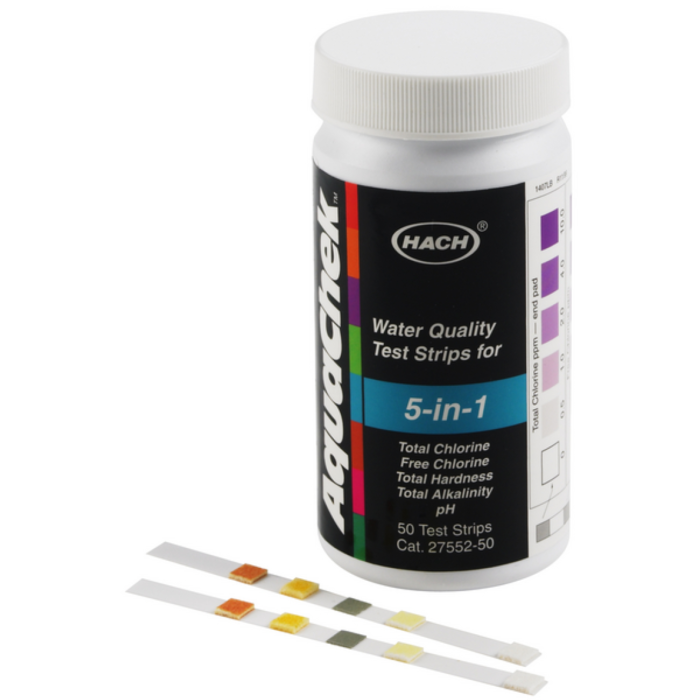
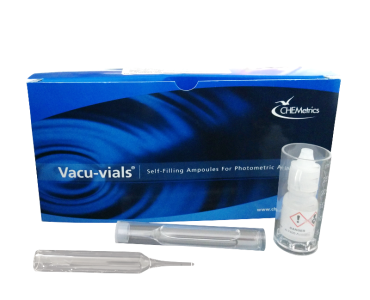
If you need to measure water hardness, our water hardness testing products can help.
How to Treat Hard Water
1. Water Softeners (Ion Exchange Systems)
- Replace calcium and magnesium with sodium or potassium ions.
- Best for permanent hardness.
2. Reverse Osmosis Systems
- Removes minerals, contaminants, and impurities using a membrane filter.
- Effective for both temporary and permanent hardness.
3. Chemical Treatment
- Lime (calcium hydroxide) softening removes temporary hardness.
- Chelating agents (e.g., EDTA) bind calcium and magnesium, preventing scale buildup.
Conclusion
While hard water is not harmful, it can cause inconveniences like soap scum, scale buildup, and dry skin/hair. Understanding water hardness helps you choose the right treatment method, whether it’s a water softener, reverse osmosis system, or chemical treatment.