Acetone – it’s a name you’ve likely encountered on the labels of nail polish removers and various chemical products. But what exactly is this volatile liquid, and what roles does it play in our daily lives? In this blog post, we’ll delve into the world of acetone, exploring its chemical composition, industrial applications, and potential health risks.
The Many Names of Acetone
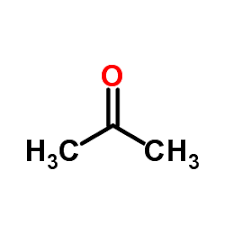
Acetone goes by several aliases in the chemical world, including 2-Propanone, Propanone, and Dimethyl Ketone. Its chemical formula is C3H6O, with a CAS number of 67-64-1.
Versatile Industrial Uses
Acetone boasts a wide range of industrial applications, making it a versatile chemical in various sectors:
- Cleaner: Acetone serves as a potent solvent for cleaning purposes in laboratories and industrial settings. Its ability to dissolve various substances makes it invaluable for degreasing and removing stubborn residues.
- Cosmetics: You’ll often find acetone in cosmetic products like nail polish remover and chemical peels. Its effectiveness in removing nail polish and adhesive substances makes it a staple in the beauty industry.
- Paint, Sealants, and Adhesives: Acetone plays a crucial role in the formulation of paints, sealants, and adhesives. Its solvent properties help achieve the desired consistency and facilitate the bonding process.
- Chemical Solvent: In chemical processes, acetone acts as a solvent for dissolving and mixing other compounds. Its versatility in this regard makes it a valuable tool for researchers and manufacturers.
The Aroma and Flammability
Acetone presents itself as a colorless, highly flammable liquid with a pungent aroma reminiscent of mint. The odor threshold for acetone is incredibly low, detectable at just 4 parts per billion (ppb). This characteristic aroma, though strong, has an essential safety role as it can help individuals detect the presence of acetone vapor even at low concentrations.
Acetone Exposures and Health Risks
As with many chemicals, contact with acetone can pose health risks, primarily through inhalation and skin contact. Here’s a breakdown of potential health concerns:
- Inhalation: Breathing in acetone vapors can lead to drowsiness, dizziness, and headaches. If inhalation occurs, it’s crucial to move to an area with fresh air to alleviate symptoms.
- Skin Contact: Prolonged contact with acetone can result in skin dryness and, in severe cases, dermatitis. Washing the affected skin with soap and water and removing contaminated clothing can mitigate these effects.
- Eye Irritation: Acetone vapors are irritating to mucous membranes, causing discomfort to the eyes. Protective eyewear is advisable when working with acetone.
- Narcotic Effects: Acetone can exhibit narcotic effects, especially at mild concentrations. It can also have toxic effects on the central nervous system.
Regulations and Exposure Limits
Regulatory bodies have established exposure limits for acetone to protect workers and the public. These limits may vary depending on the organization:
- OSHA: 1000 PPM (TWA – 8 Hours)
- NIOSH: 250 PPM (TWA – 10 Hours)
- ACGIH TLV: 250 PPM (TWA – 8 hours)
- EPA (AEGL-1): 200 PPM (8 Hours)
- EPA (AEGL-2): 950 PPM (8 Hours)
- EPA (AEGL-3): 1700 PPM (8 Hours)
Measuring Acetone Exposure
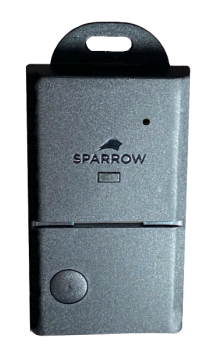
Acetone is classified as a Volatile Organic Compound (VOC) and can be measured as such using specialized monitors or Acetone Sensors. These sensors are designed to detect acetone vapor levels accurately. VOC monitors, including Heated Metal Oxide Sensors (HMOS) and Photoionization Detectors (PID), offer various sensor responses and come with response factor guides to aid in specific compound measurements.
Full list of Acetone Detectors here!
Conclusion: Navigating the World of Acetone
Acetone, with its distinctive aroma and diverse applications, is a chemical of great significance in our daily lives. While it offers incredible versatility and utility, it’s essential to handle it with care, adhering to recommended exposure limits and safety precautions.
Whether you encounter acetone in a nail salon, laboratory, or industrial setting, understanding its properties and potential risks empowers you to use it safely and effectively.
For further information, product details, or assistance in selecting the right Acetone Sensor for your specific application, please don’t hesitate to reach out to us.