As awareness of indoor air quality grows, the need to effectively detect and address mold has become more critical than ever. Mold can cause a range of health issues and damage to property, making early detection essential. While mold itself isn’t a gas and can’t be detected by standard gas detectors, certain volatile organic compounds (VOCs) and microbial volatile organic compounds (MVOCs) produced by mold can be identified. This blog post will explore various methods and tools available for detecting mold, helping you ensure a healthier living or working environment.
VOC Detectors
Volatile organic compounds (VOCs) are chemicals emitted as gases from certain solids or liquids. Some of these compounds can be by-products of mold growth. VOC detectors can help identify the presence of these compounds in the air, potentially indicating mold.
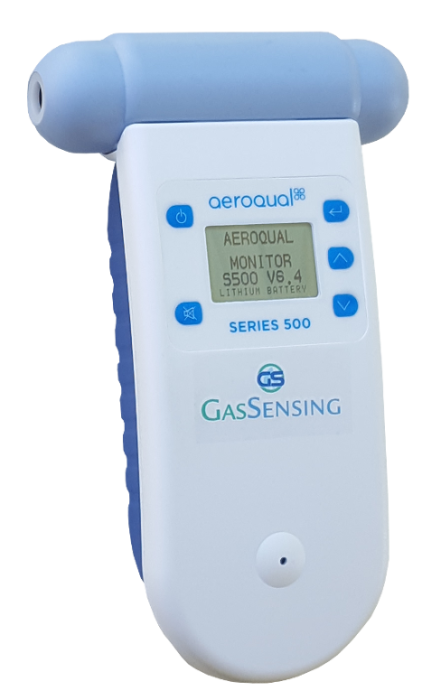
Example: The Aeroqual Series 200, 300, or 500 with a VOC sensor head is a versatile device that can detect a range of VOCs, making it a valuable tool in mold detection efforts.
MVOC Detectors
Microbial volatile organic compounds (MVOCs) are specific to microbial activity, including mold. MVOC detectors are designed to detect these compounds more precisely, offering a more targeted approach to identifying mold growth.
Example: Mold sniffers like the PCE-RCM 10 can detect MVOCs, providing a direct indication of mold presence.
Humidity and Moisture Meters
High humidity and moisture levels create an ideal environment for mold growth. Monitoring humidity and moisture levels can help in early detection and prevention of mold.
Example: The Extech MO55 Combination Pin/Pinless Moisture Meter can identify damp areas where mold may thrive, allowing for prompt intervention.
Air Sampling Devices
Air sampling devices capture air samples for later analysis in a laboratory, identifying mold spores and providing a comprehensive understanding of indoor air quality.
Example: The BioPump Plus Air Sampling Pump or Zefon Bio-Pump can capture airborne mold spores for detailed laboratory analysis.
Infrared Cameras
Infrared cameras are useful tools for identifying hidden moisture behind walls and other surfaces, which can indicate mold growth. While not a gas detector, this method can pinpoint areas that require further investigation.
Example: The FLIR TG165 Spot Thermal Camera can identify temperature variations and moisture behind walls, highlighting potential mold growth areas.
Choosing the Right Detector
When selecting a detector for mold-related issues, consider the following factors:
- Environment: Indoor or outdoor, and whether the area has known water damage or high humidity levels.
- Type of Detector: VOC detectors offer broad indications, while MVOC-specific detectors provide more precise detection.
- Budget: The cost of detectors varies based on technology and specificity.
Recommended Actions
- Regular Monitoring: For areas prone to mold, regular monitoring with a combination of VOC/MVOC detectors and moisture meters is advisable.
- Professional Testing: Persistent mold issues may require professional mold testing and remediation.
Detecting mold effectively requires a combination of tools and methods. By utilizing VOC and MVOC detectors, humidity and moisture meters, air sampling devices, and infrared cameras, you can identify and address mold issues early. Ensuring a mold-free environment not only protects your health but also preserves the integrity of your property.
If you suspect mold in your environment, consider investing in one or more of these detection tools. For persistent or severe mold problems, professional testing and remediation services are recommended. By staying vigilant and proactive, you can maintain a healthier, safer space for everyone.