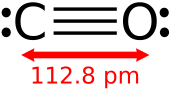
Carbon monoxide (CO) is a colorless, odorless, and tasteless gas that can be deadly. Known as the “silent killer,” carbon monoxide poisoning can occur when fuel-burning appliances, such as furnaces, gas stoves, and water heaters, malfunction or are improperly ventilated. In this blog post, we’ll explore the dangers of carbon monoxide, the importance of detecting it, and how gas detectors work to keep you safe.
The Dangers of Carbon Monoxide
Carbon monoxide is produced by the incomplete combustion of fossil fuels. When inhaled, it interferes with the body’s ability to transport oxygen by binding to hemoglobin in red blood cells, forming carboxyhemoglobin. This prevents oxygen from binding to hemoglobin and being delivered to vital organs and tissues.
Symptoms of carbon monoxide poisoning can vary based on the level and duration of exposure but commonly include:
- Mild Exposure: Headaches, dizziness, nausea, and shortness of breath.
- Moderate Exposure: Confusion, vomiting, loss of coordination, and chest pain.
- Severe Exposure: Loss of consciousness, brain damage, and death.
Because carbon monoxide is undetectable by human senses, having a reliable method of detection is crucial for safety.
How Gas Detectors Detect Carbon Monoxide
Carbon monoxide detectors are designed to alert you to the presence of CO in the air before it reaches dangerous levels. Here’s how they work:
Types of Carbon Monoxide Detectors
- Biomimetic Sensors:
- Operation: These sensors contain a gel that changes color when it absorbs carbon monoxide. The color change triggers an alarm.
- Advantages: Long lifespan and relatively low maintenance.
- Disadvantages: Slower response time compared to other types.
- Metal Oxide Semiconductors:
- Operation: These detectors use a silica chip with a thin film of tin dioxide. When CO is present, it reduces the electrical resistance of the film, triggering the alarm.
- Advantages: Good sensitivity to low levels of CO and quick response time.
- Disadvantages: Higher power consumption and may require more frequent calibration.
- Electrochemical Sensors:
- Operation: Electrochemical sensors contain electrodes in a chemical solution. When CO comes into contact with the sensor, it produces a chemical reaction, generating an electrical current that triggers the alarm.
- Advantages: High accuracy, fast response time, and low power consumption.
- Disadvantages: Higher initial cost but generally considered the most reliable type of CO detector.
Key Features of Carbon Monoxide Detectors
- Alarm System: Most detectors emit a loud alarm when CO levels exceed a certain threshold, typically around 70 parts per million (ppm) over one hour.
- Digital Display: Some detectors have a digital display showing real-time CO levels, allowing you to monitor even low levels of CO in your home.
- Battery Backup: Detectors with battery backups ensure they continue to function during a power outage.
- Interconnectivity: In interconnected systems, when one detector senses CO, all connected units will sound an alarm, providing broader coverage.
Installation and Maintenance Tips
- Placement: Install CO detectors on every level of your home, especially near sleeping areas. Follow the manufacturer’s instructions for proper placement.
- Regular Testing: Test your CO detectors monthly to ensure they are functioning correctly.
- Battery Replacement: Replace batteries at least once a year, or as needed, based on the detector’s low-battery warning.
- Detector Replacement: CO detectors have a limited lifespan, typically 5-7 years. Check the manufacturer’s recommendations and replace units as necessary.
Conclusion
Carbon monoxide is a serious threat that requires vigilant monitoring. Investing in reliable CO detectors and ensuring they are properly installed and maintained can save lives. By understanding how these detectors work and taking the necessary precautions, you can protect yourself and your loved ones from the dangers of carbon monoxide poisoning.
For more information on carbon monoxide detectors or assistance in choosing the right one for your home or business, please contact our team of experts. Your safety is our top priority.
You can find our full list of Carbon Monoxide detectors HERE