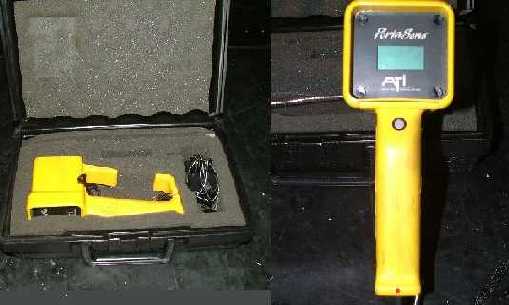
Hydrogen sulfide (H₂S) is a toxic, colorless gas commonly found in wastewater, agriculture, oil and gas, and industrial environments. Because H₂S can pose serious safety risks, reliable monitoring is an important part of protecting workers.
What Is Hydrogen Sulfide?
H₂S is produced when organic material breaks down without sufficient oxygen. It is often recognized by its rotten egg odor at low concentrations, but odor should never be relied on for detection. Exposure can affect the sense of smell, making the gas difficult to recognize.
H₂S monitoring provides a reliable way to detect the gas and alert personnel when concentrations become dangerous.
Common Applications for H2S Monitoring
H₂S monitoring is used in a variety of industries and environments, including:
- Wastewater and sewer systems: H₂S can develop in wastewater, lift stations, sewer lines, tanks, and treatment facilities.
- Oil and gas: H₂S may be present in crude oil and natural gas operations, including drilling, extraction, and processing.
- Agriculture: Manure decomposition can produce H₂S, with concentrations potentially increasing during manure agitation and handling.
- Industrial and chemical processing: H₂S may be used or produced during certain manufacturing and chemical processes.
- Mining: H₂S can occur naturally in some underground mining environments.
- Confined spaces: Tanks, pits, wells, vessels, and other enclosed spaces can allow H₂S to accumulate.
Portable vs. Fixed H₂S Monitoring
Portable H₂S monitors travel with workers and provide alarms when gas concentrations reach programmed levels. They are ideal for personal monitoring and workers moving between different areas.
Fixed-mount monitors provide continuous monitoring at a specific location and can be used in wastewater facilities, industrial plants, processing areas, and other locations where H₂S may be released.
Why Calibration Matters
A gas monitor is only effective when it provides accurate measurements. Regular calibration helps ensure the sensor is operating properly. Gas-Sensing.com recommends yearly calibration for gas sensors, although requirements may vary by manufacturer, instrument, and application.
Choosing the Right H₂S Monitor
When selecting an H₂S monitoring solution, consider:
- Whether you need H₂S-only or multi-gas monitoring
- Portable or fixed monitoring requirements
- The concentration range needed
- Environmental conditions such as temperature and humidity
- How frequently monitoring will be required
Find the Right H₂S Monitoring Solution
From portable personal detectors to fixed-mount monitoring systems and replacement sensors, Gas-Sensing.com offers a variety of hydrogen sulfide monitoring solutions.
Whether you’re monitoring wastewater, agriculture, oil and gas, industrial processes, mining, or confined spaces, choosing the right H₂S monitoring equipment can help create a safer work environment.