Tracking Personal NO₂ Exposure: A University of Birmingham Case Study
Understanding air pollution exposure requires more than knowing the average air quality across a city. Pollution levels can change significantly depending on where someone is and what they are doing.
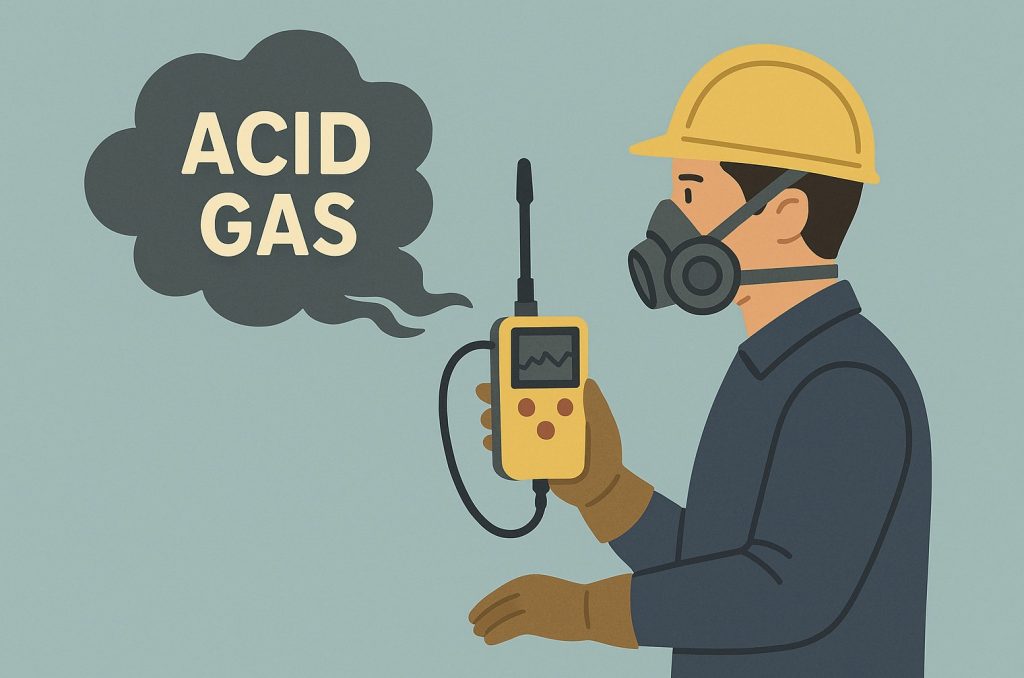
Researchers at the University of Birmingham used a portable Series 500 ENV monitor with a nitrogen dioxide (NO₂) sensor to study these changes and better understand personal exposure.
The Challenge
Traditional air-quality monitoring stations provide valuable data, but they are fixed in specific locations. This can make it difficult to identify smaller areas, or “microsites,” where people may experience higher levels of pollution.
The research team needed a monitor that could be carried throughout the day, record data continuously, and provide enough detail for personal exposure research. Standard diffusion samplers could provide longer-term averages, while larger laboratory-grade analyzers were not practical for volunteers to carry.
The Approach
Sixteen staff members and students carried the portable monitors during their normal daily activities for periods of up to 24 hours. The lightweight monitors could be carried in a backpack or with a belt clip.
The monitors were also paired with GPS data logging, allowing researchers to connect pollution measurements with the location where the exposure occurred. This provided both real-time and location-based information rather than relying only on an overall daily average.
What the Study Showed
The collected data helped identify locations and activities associated with higher NO₂ exposure. It also demonstrated the value of portable monitoring for understanding how exposure changes as people move between different environments throughout the day.
The research was later published in the Journal of Environmental Monitoring, highlighting how portable gas monitoring can support detailed environmental and personal exposure studies.
Why Portable Monitoring Matters
This case study is a good example of how gas monitoring equipment can be used outside of traditional fixed monitoring stations. Portable instruments allow researchers to take measurements where exposure actually happens, providing a more complete picture of real-world conditions.
For researchers studying air quality, personal exposure, transportation, indoor environments, or pollution hotspots, portable monitoring can provide useful information that fixed stations may not capture.