Safety, Process Control & Real-World Applications
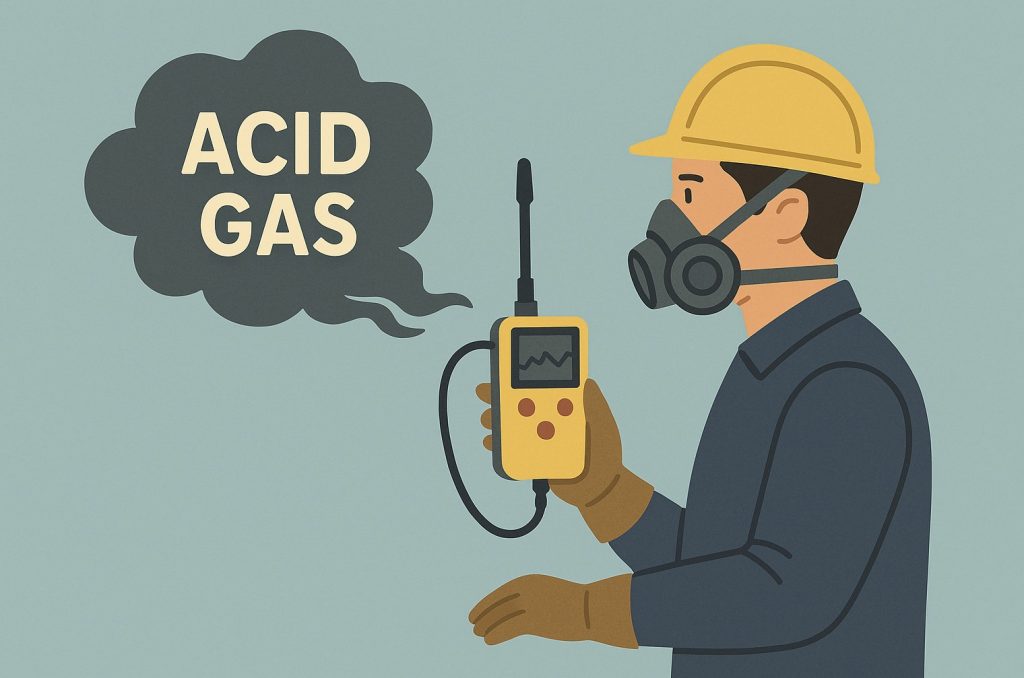
Acid gases show up in more places than many facilities realize — from wastewater treatment to natural gas processing to industrial exhaust systems. Acid gases can appear in both water treatment systems and gas/industrial processes. They’re invisible, corrosive, and often dangerous long before workers notice anything. That’s why Gas Sensing LLC provides reliable portable and fixed detectors designed to protect people, equipment, and operations.
Below is a structured breakdown of why acid gas detection matters, where it’s used, and which detectors make sense for your facility.
Why You Need Acid Gas Detection
Acid gases can cause:
- Serious health risks including respiratory irritation, disorientation, or life-threatening exposure (especially H₂S).
- Corrosion and equipment damage that lead to costly downtime.
- Process disruptions in gas processing, wastewater, and industrial systems.
- They are invisible and often odorless at dangerous concentrations.
- Many industries require acid-gas monitoring for OSHA compliance and general workplace safety.
Because these gases are heavier than air, can be odorless at harmful levels, and accumulate in low or enclosed spaces, real-time detection is the only safe option.
Human Safety Risks
Exposure to acid gases can impact workers quickly and without warning:
- Headaches, dizziness, respiratory effects, loss of consciousness at high levels
- Disorientation, reduced cognitive function, asphyxiation risk
- Severe lung irritation, eye irritation, respiratory inflamme
- Intense tissue irritation, corrosive burns
In enclosed areas — manholes, basements, tanks, pits, process rooms — these gases can collect silently. A detector gives you early warning before workers enter or begin tasks.

Where is Acid Gas Monitoring Is Used?
Water Applications
- Wastewater lift stations
- Digesters, headworks, and sludge handling
- Chemical dosing areas
Helps protect workers, verify ventilation, and prevent corrosion.
Gas & Industrial Applications
- Natural gas processing
- Boiler/exhaust systems
- Storage tanks, compressors, pipelines
Helps detect leaks early and maintain process control.
What You Use Acid Gas Detectors For?
- Worker protection in confined spaces
- Continuous area monitoring
- Leak detection
- Corrosion prevention
- Process control & compliance
If you handle wastewater, natural gas, or industrial chemicals—you need acid gas monitoring.
Recommended Solutions from Gas Sensing LLC
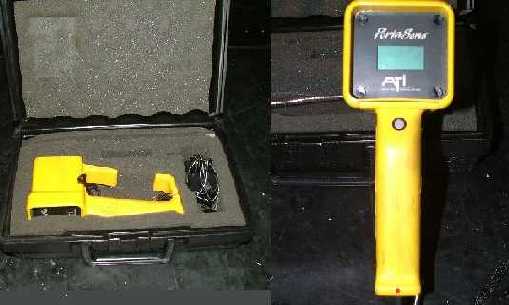
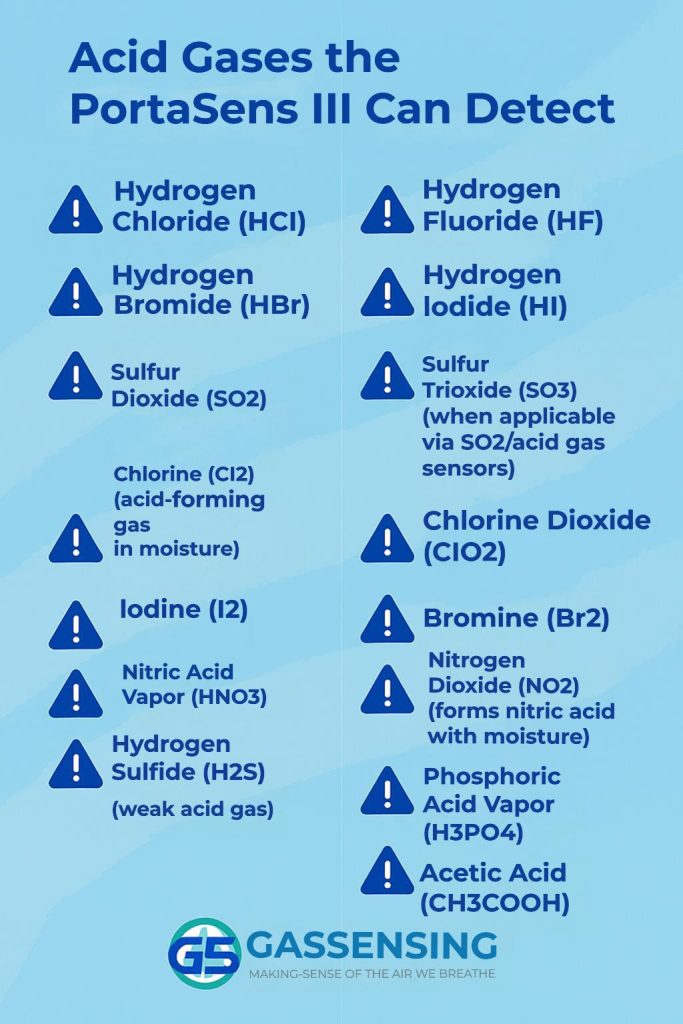
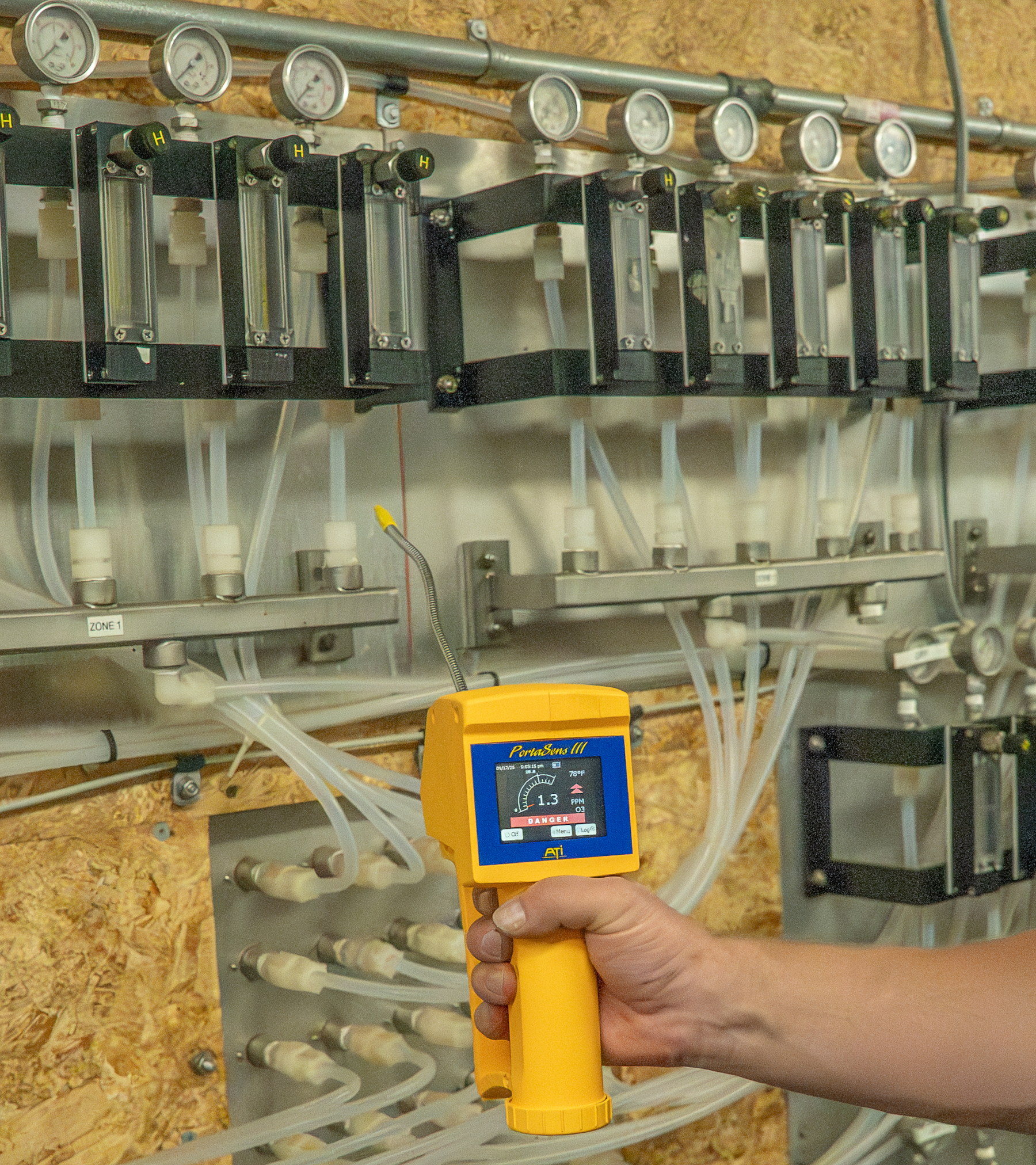
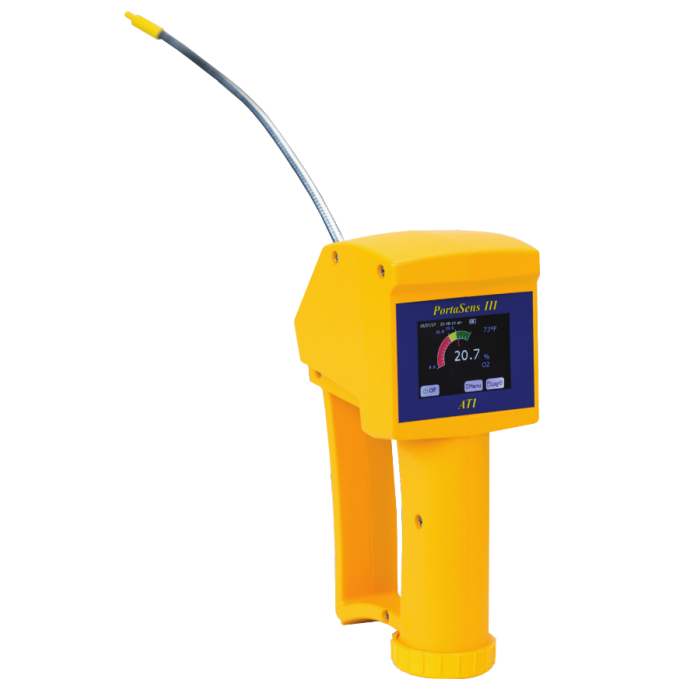
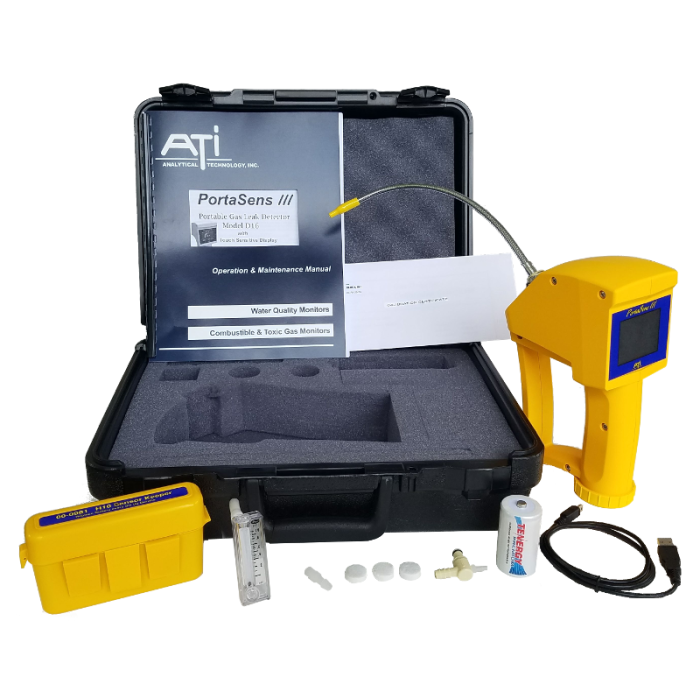
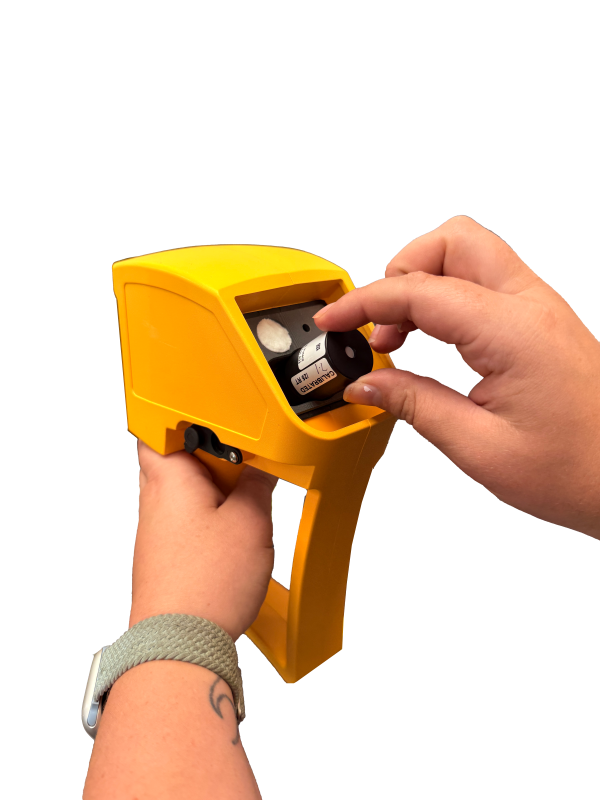
D-16 PortaSens III
- Used for regular leak checks in gas storage areas, around process equipment and piping or in confined spaces prior to entry
- Contains an internal sample pump and a flexible sampling wand to allow pinpoint location of the source of leakage
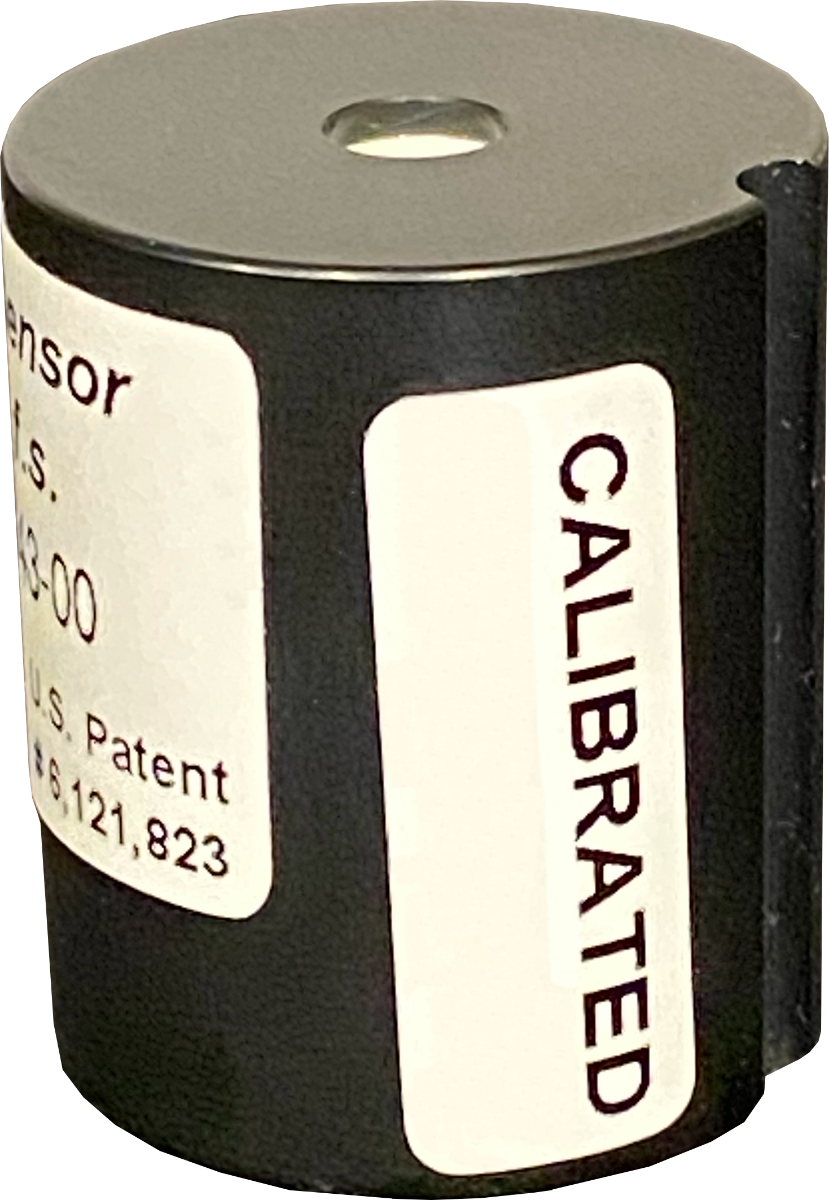
- Detector can be used to measure over 30 different gases or vapors, reducing the need to purchase individual detectors for each type of gas
- sensors can be changed quickly and easily, without the need for calibration when a sensor change is made
Maximum Range = 0-200 ppm
Acid Gases – Monitors
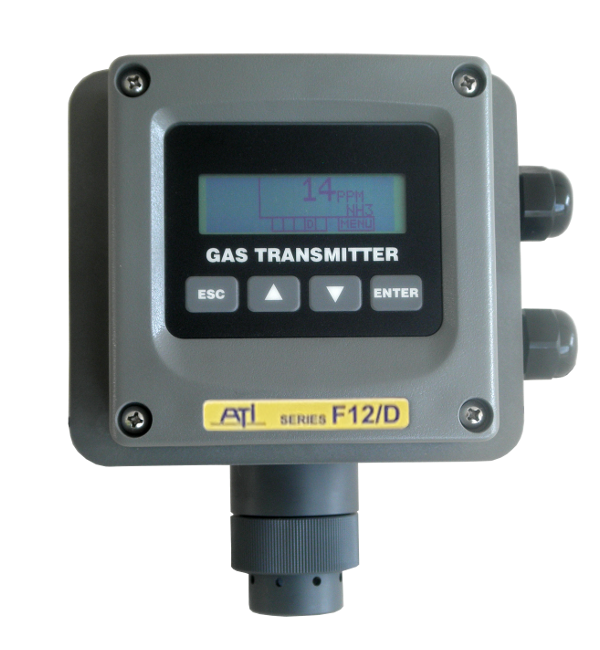
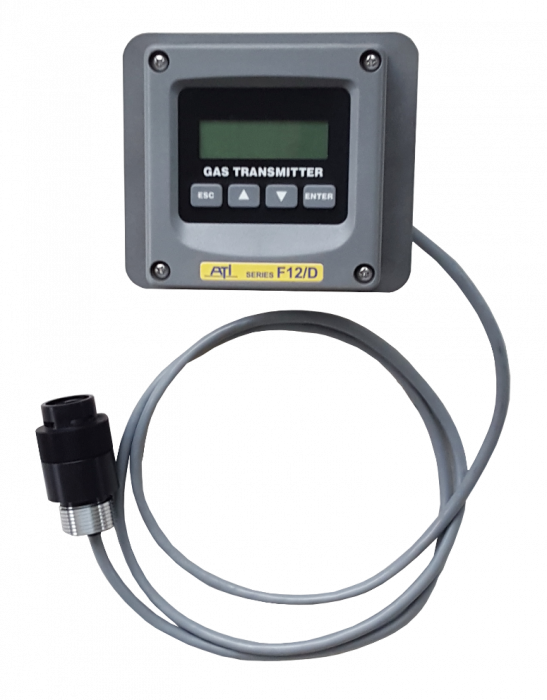
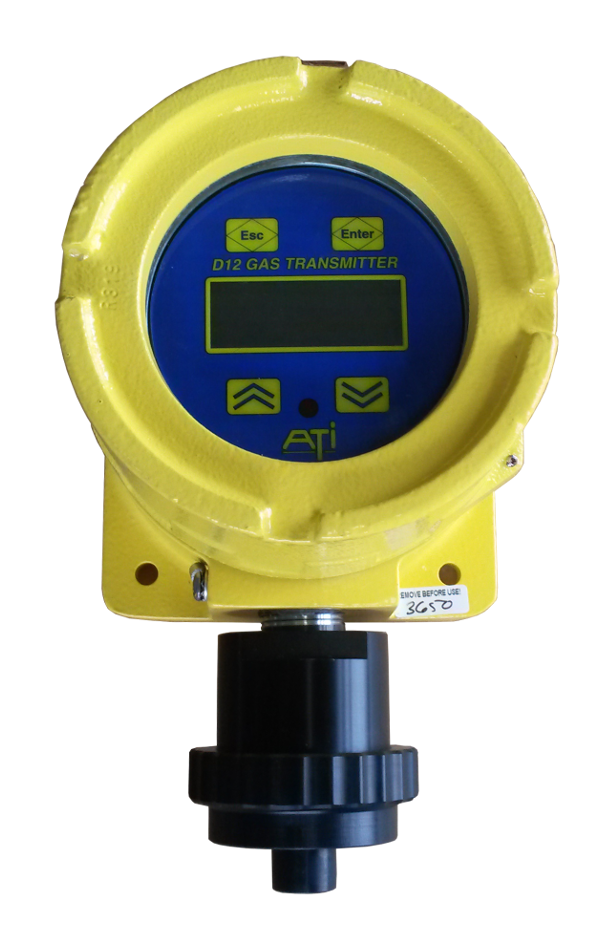
- Fixed Mount Monitors
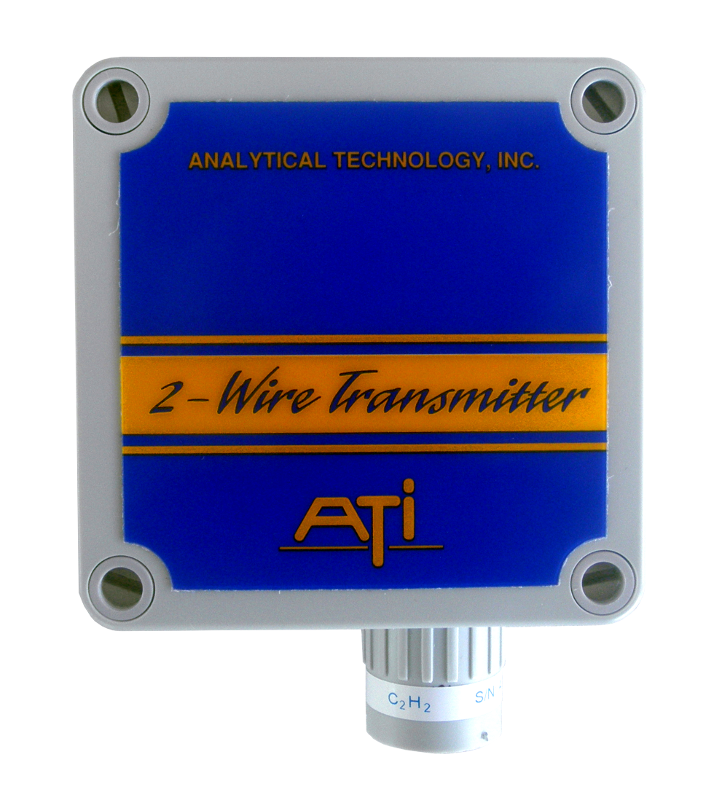
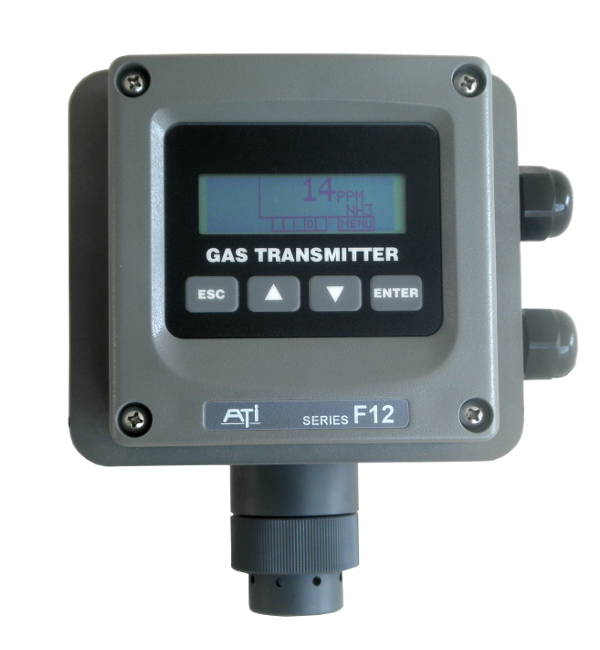
- B12 Gas Transmitter & D-12 Toxic Gas Transmitter
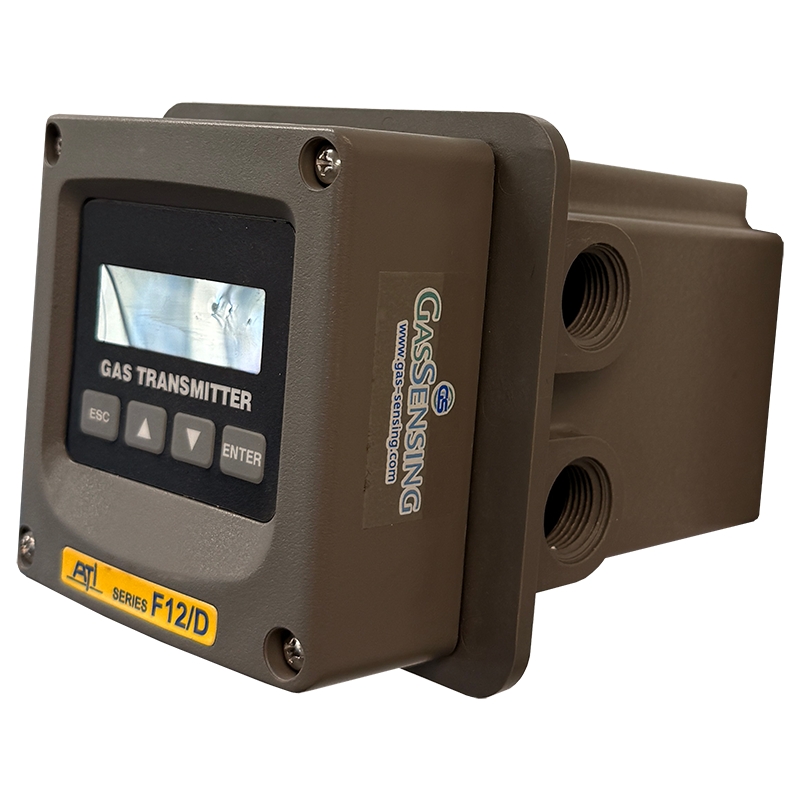
- Preconfigured F12D’s
- Integrated Sensors & Remote Sensors
- Configurable F12’s (Built to Order)
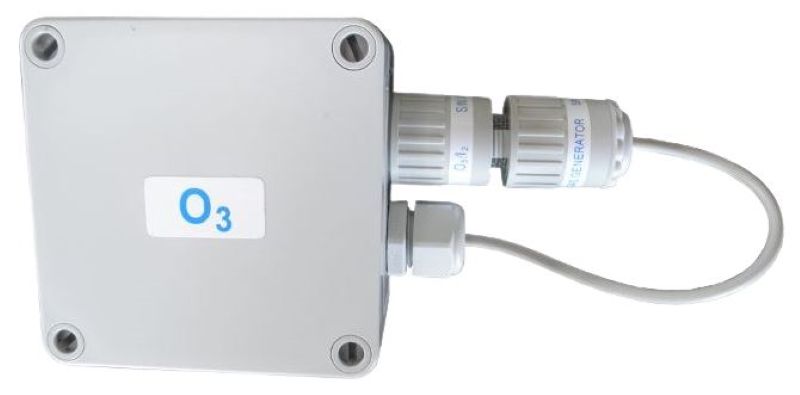
- Gas Monitor & Ozone Monitor
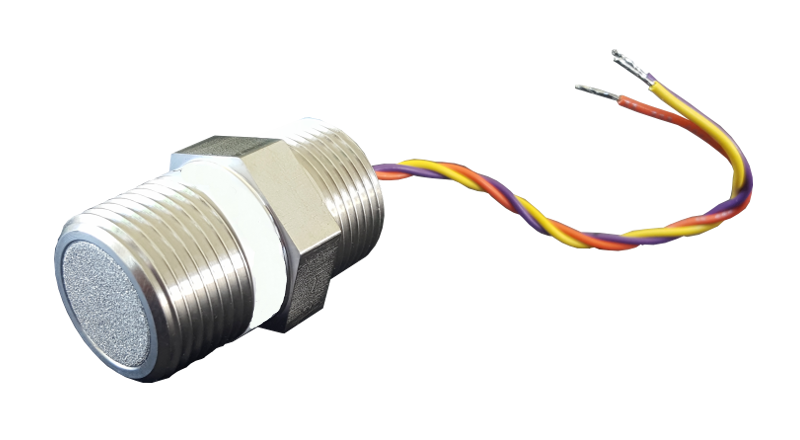
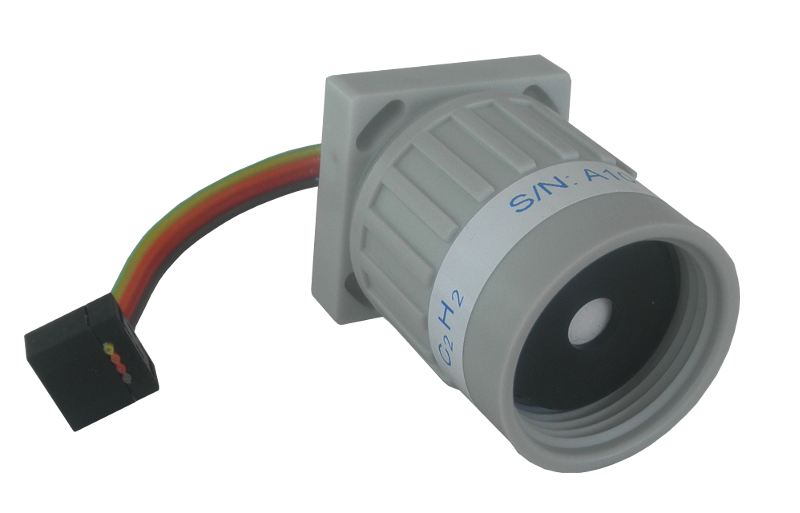
Acid Gases – Replacement Sensors
- Acid Gas Sensor with Transmitter, Explosion Proof Sensor, & Acid Gas Sensors
Contact & Calibration
Gas Sensing LLC helps you choose the right detector, supports setup, and offers rental options when needed.
Need help selecting a unit? We’re here to guide you.
Most ozone sensor manufacturers will recommend calibration annually. This would be the longest interval Gas Sensing would recommend for ozone sensor calibration.
Click HERE for our calibration page and learn about the process.