
Learn why hydrogen leak detection matters, how sensor sensitivity affects small leak detection, and what to consider when selecting a hydrogen gas sensor.
Why Sensor Sensitivity Matters
Hydrogen is becoming increasingly important in energy production, storage, and transportation. As hydrogen infrastructure expands, reliable gas sensing is essential for identifying leaks and maintaining safe operating conditions. However, detecting a potentially dangerous leak is different from measuring smaller hydrogen releases.
Why Hydrogen Detection Matters
Hydrogen is colorless, odorless, and highly flammable, making specialized hydrogen gas sensors essential for detecting leaks. Traditional detection systems typically focus on identifying concentrations that could create an immediate safety hazard, while smaller releases may require more sensitive measurement technology.
The U.S. Department of Energy has highlighted the need for improved hydrogen detection, including research into sensors capable of detecting extremely low concentrations.
Choosing the Right Hydrogen Gas Sensor
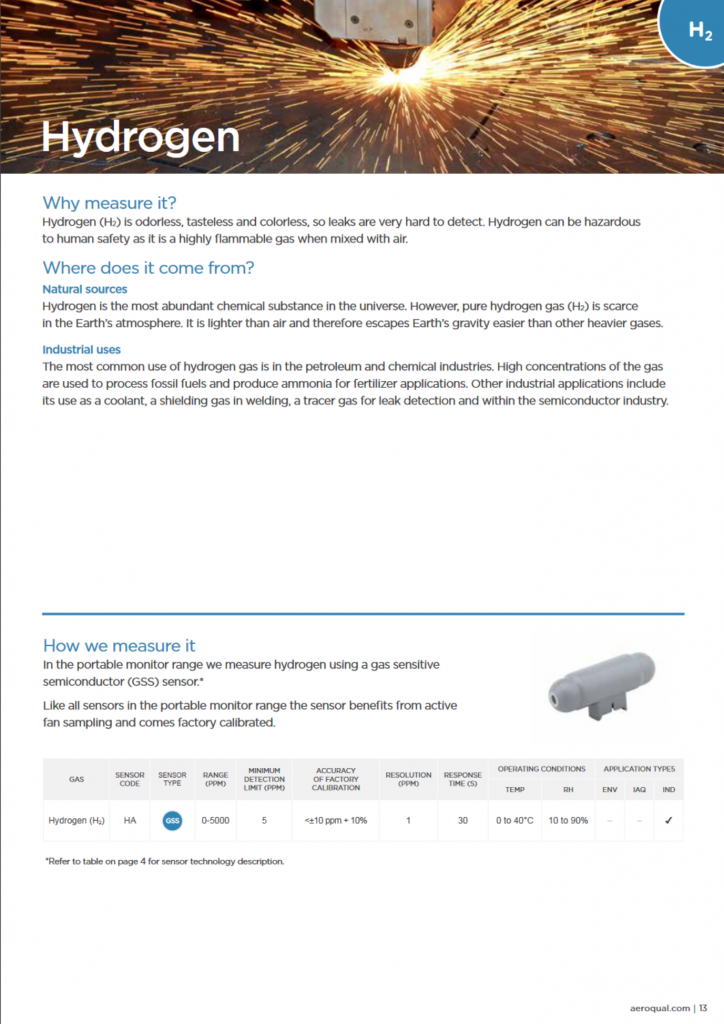
Selecting a sensor depends on the application’s requirements, including detection range, sensitivity, accuracy, response time, and operating environment. A sensor designed for safety alarms may not be suitable for measuring trace amounts of hydrogen.
Understanding these differences helps engineers and facility operators choose gas sensing technology that meets their specific monitoring needs, whether the goal is leak detection, safety monitoring, or measuring smaller releases.
Exploring Gas Sensing Solutions
As hydrogen applications continue to grow, advances in gas sensing technology will play an important role in improving leak detection and measurement capabilities.
At Gas-Sensing.com, explore gas detection technologies and sensing solutions for a wide range of industrial applications. Understanding your detection requirements is the first step toward finding the right sensor for your application.