Acetic acid, a cornerstone of industrial chemistry and a staple in household products, is a simple yet versatile compound with a broad spectrum of applications. Known commonly as ethanoic acid, this colorless liquid is a vital reagent in chemical synthesis and everyday life.
What is Acetic Acid?
Acetic acid, with the chemical formula CH₃COOH (C₂H₄O₂), is a simple carboxylic acid. It is the primary component of vinegar, responsible for its characteristic sour taste and pungent odor. However, its uses extend far beyond the kitchen:
- Physical Properties:
- Appearance: Clear, colorless liquid
- Odor: Strong vinegar-like smell
- Flammability: Flammable
- Water Solubility: Miscible
- Applications:
Acetic acid plays a vital role in various industries, including: - Photographic Film Production
- Plastic Bottle Manufacturing
- Household Cleaners
- Synthetic Fibers and Fabrics
- Wood Glue (Polyvinyl Acetate)
Health Risks of Acetic Acid Exposure
While incredibly useful, acetic acid poses significant health risks if not handled correctly.
- Primary Exposure Routes: Inhalation, ingestion, and direct contact.
- Health Effects:
- Skin Contact: Can cause burns and tissue damage.
- Eye Contact: Severe irritation or burns.
- Inhalation: Irritates the eyes, nose, throat, and airways, potentially causing coughing, bronchitis, and chest pain.
- Ingestion: Toxic, with symptoms including nausea, vomiting, and burns to the digestive tract.
First Aid Measures:
- For skin or eye exposure: Flush immediately with water.
- For inhalation: Move to fresh air and provide respiratory support if needed.
- For ingestion: Seek medical attention immediately.
Regulations and Safety Standards
Acetic acid exposure is regulated by organizations such as OSHA and NIOSH to ensure workplace safety.
| Exposure Limit | Type | Organization |
|---|---|---|
| 10 ppm | TWA (8 hours) | NIOSH |
| 10 ppm | TWA (8 hours) | OSHA |
Monitoring Acetic Acid Levels
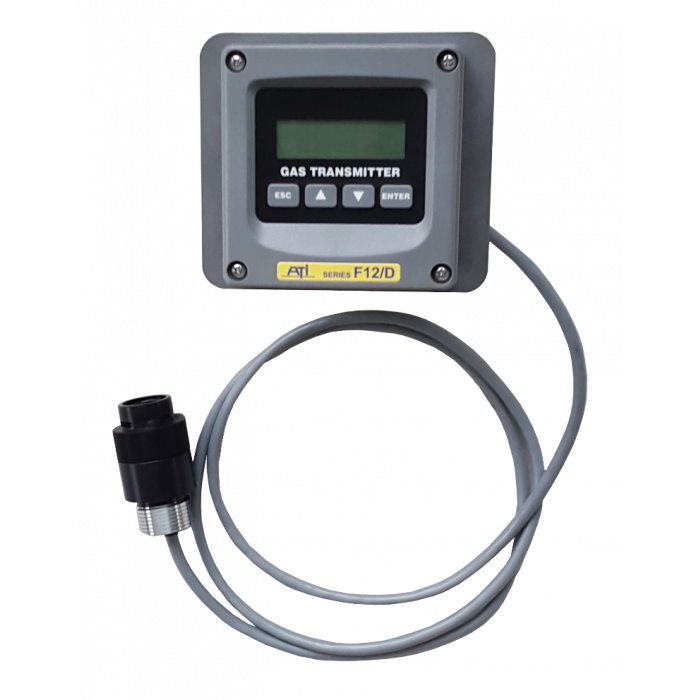
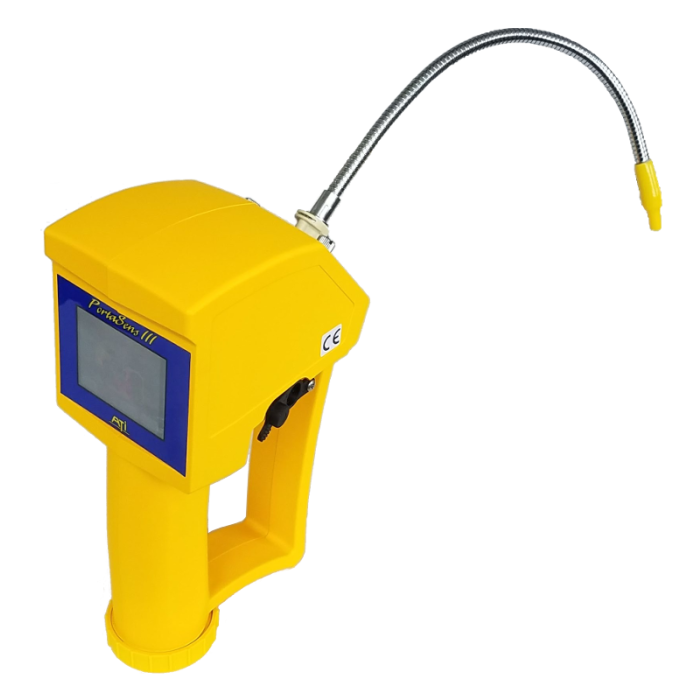
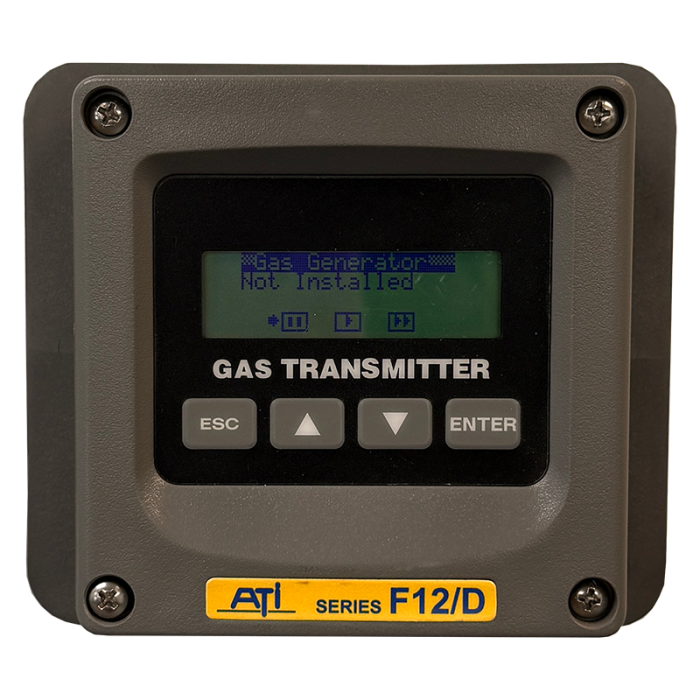
Given the health risks, monitoring acetic acid levels is crucial in industrial and laboratory settings. Acetic acid concentration is typically measured in parts per million (ppm). Portable and fixed monitors provide real-time data to help maintain safe air quality.
Summary
Acetic acid is an indispensable compound with applications ranging from vinegar production to synthetic fiber manufacturing. However, its corrosive nature and health risks necessitate careful handling and monitoring. Whether you’re working in a lab or managing an industrial process, ensuring safety through proper equipment and adherence to exposure limits is essential.
You can find more information here: https://www.gas-sensing.com/information/acetic_acid