The Hidden Link Between Weather & Ozone
Introduction:
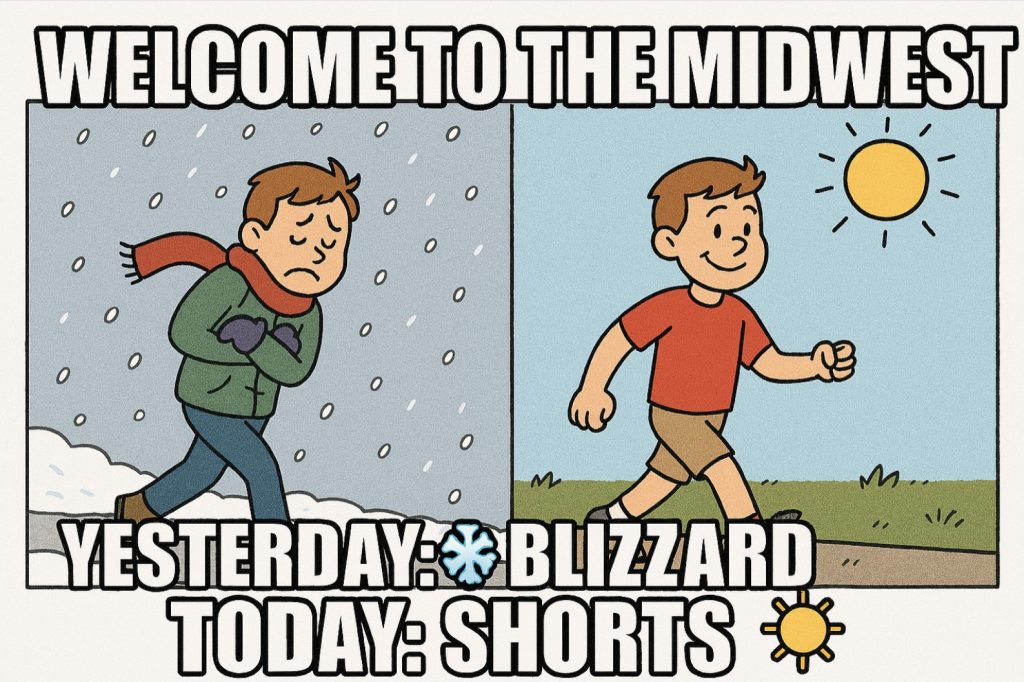
The Midwest is famous for wild weather — blazing summers, freezing winters, and everything in between.
But those shifts don’t just affect crops and commutes — they also change ozone levels in the air.
For factories, food processors, and anyone using ozone for sanitation or safety, that’s important.

Weather & Ozone: The Connection
Ozone (O₃) forms when sunlight reacts with pollutants like NOx and VOCs.
That means weather directly influences how much ozone is in the air.
- Hot, sunny days: More sunlight = more ozone. Calm air traps it near the ground.
- Cool, windy, or rainy days: Wind and rain clean the air, lowering ozone levels.
- Humidity and storms: Moisture and lightning can cause quick changes in readings.
In short — ozone levels rise and fall with the weather, sometimes within hours.
Why It Matters
- Worker safety — OSHA exposure limits rely on accurate, real-time data.
- Equipment performance — sensors respond differently to heat and humidity.
- Process results — ozone-based sanitation or odor control can vary with weather.
Ignoring these shifts can lead to unreliable data or wasted effort.
What You Can Do
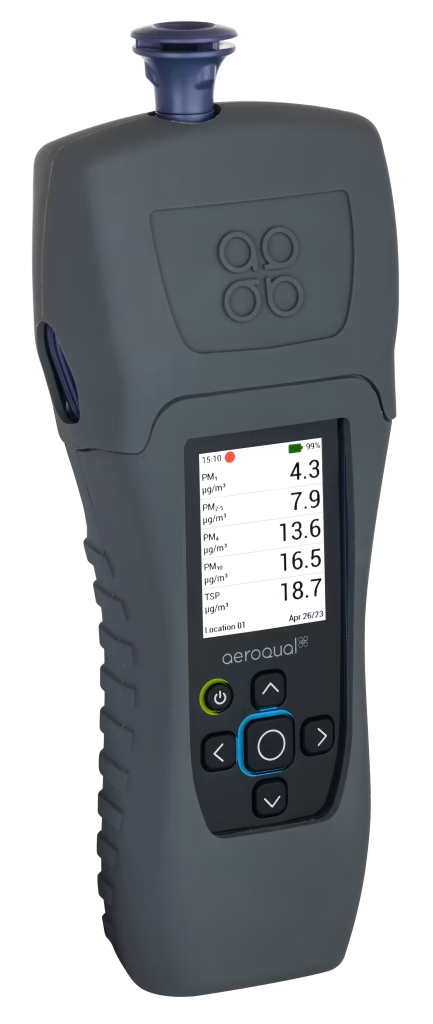
1.) Monitor in real time — Tools like the Aeroqual Ranger adjust for temperature and humidity, giving accurate readings year-round.
2.) Watch the forecast — Expect ozone spikes during hot, still days.
3.) Calibrate often — Keep sensors accurate through seasonal changes.
4.) Train your team — Weather awareness = safer, smarter ozone use.
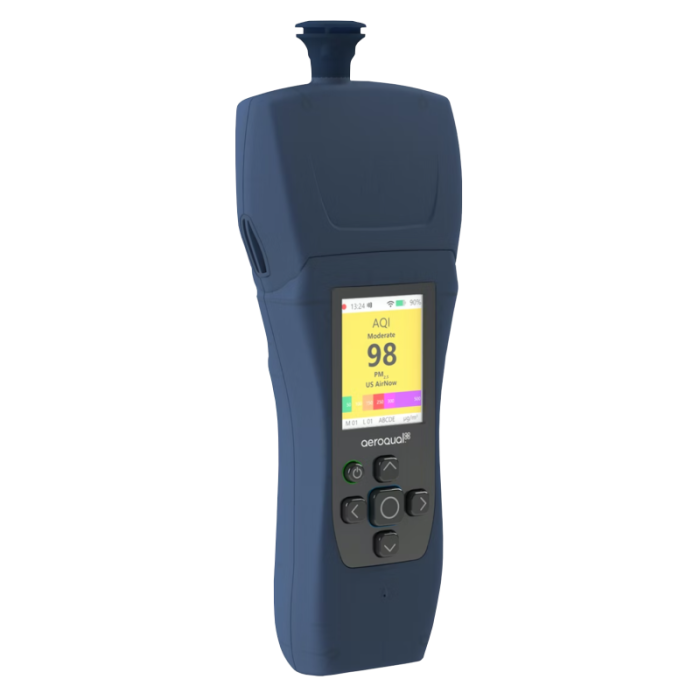
The Aeroqual Ranger is a great option for keeping air quality high and risks low. Click the images to learn about the featured Ranger product.
Winter Safety Checklist
☑ Inspect and service furnaces, chimneys, and vents.
☑ Clear outside vents of snow and debris.
☑ Calibrate or replace gas sensors before winter.
☑ Test alarms monthly.
☑ Never run generators indoors or near windows.
The Takeaway
Midwest weather changes fast — and so does ozone.
With smart monitoring and a little preparation, you can stay compliant, protect workers, and keep your systems running safely through every season.
Learn more about ozone monitoring at Gas-Sensing.com
For Customer Service click Here