Introduction
Hydrazine (chemical formula: N₂H₄) is a colorless, oily liquid with a strong ammonia-like odor. It is a highly reactive base and reducing agent that plays a crucial role in various industrial applications, from pharmaceuticals to rocket propellants and polymer foams. Despite its usefulness, hydrazine is hazardous to human health and the environment, requiring careful handling and regulation. This blog post provides a detailed overview of hydrazine, including its chemical properties, uses, health risks, regulatory limits, and methods for monitoring exposure.
Other Names and Chemical Information
- Other Names: Diamine, Diazine
- Chemical Formula: N₂H₄
- CAS Number: 302-01-2
Industry Uses
Hydrazine is widely used in several industries, including:
- Pharmaceuticals – Used in the synthesis of active pharmaceutical ingredients.
- Rocket Propellant – Used as a fuel component for spacecraft and military applications due to its high energy content.
- Polymer Foams – Acts as a foaming agent in the production of polymer-based materials.
- Water Treatment – Used as an oxygen scavenger and corrosion inhibitor in boiler and heating systems.
- Construction Materials – Some materials, including insulation, may contain hydrazine.
Physical and Chemical Properties
| Property | Value |
|---|---|
| Vapor Pressure | 14.4 mmHg |
| Water Solubility | Miscible (completely dissolves in water) |
| Flammability | Flammable |
| Odor | Pungent, ammonia-like |
Hydrazine is highly volatile and flammable. It can form explosive mixtures with air, and its vapors are heavier than air, accumulating in low areas such as basements and sewers. In case of fire or spills, runoff water can be corrosive and toxic, posing environmental hazards.
Health Risks and Exposure
Hydrazine is toxic by inhalation, ingestion, and skin absorption. Direct contact with hydrazine or prolonged exposure can cause severe health issues:
Acute Effects:
- Eye, skin, and respiratory system irritation
- Dizziness, headaches, and nausea
- Skin burns and allergic reactions
- Pulmonary edema (fluid buildup in lungs)
- Seizures and coma
Chronic Effects:
- Liver and kidney damage
- Central nervous system damage
- Spleen, lung, and thyroid disease
- Known carcinogen – long-term exposure increases cancer risk
Hydrazine is corrosive to tissue and can cause permanent damage upon contact. It is considered fatal if ingested, inhaled, or absorbed through the skin.
Regulations and Exposure Limits
Due to its high toxicity, hydrazine is strictly regulated by major health and environmental agencies. The table below outlines the most recent permissible exposure limits:
| Limit/Level | Type | Organization |
|---|---|---|
| 0.1 ppm | AEGL-1 (8 hrs) | EPA |
| 1.6 ppm | AEGL-2 (8 hrs) | EPA |
| 4.4 ppm | AEGL-3 (8 hrs) | EPA |
| 1 ppm | TWA (8 hrs) | OSHA |
| 0.03 ppm | C (2-hour) | NIOSH |
Key Terms:
- AEGL – Acute Exposure Guideline Level (set by the EPA)
- TWA – Time-Weighted Average (set by OSHA)
- C – Ceiling limit (set by NIOSH)
Measuring Hydrazine
Hydrazine concentrations can be measured in both air and water in parts per million (ppm). Proper monitoring is essential to ensure safety and regulatory compliance.
Monitoring Solutions:
- Portable Monitors – For on-site, real-time monitoring of hydrazine levels.
- Fixed Monitors – Installed systems for continuous workplace monitoring.
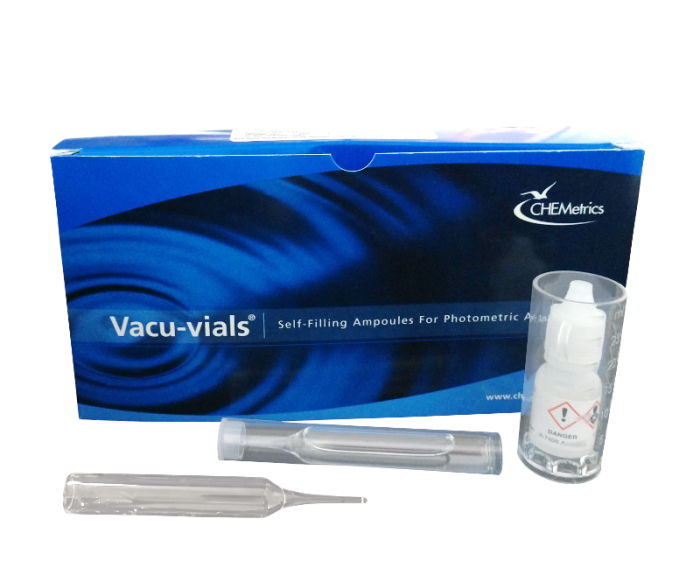
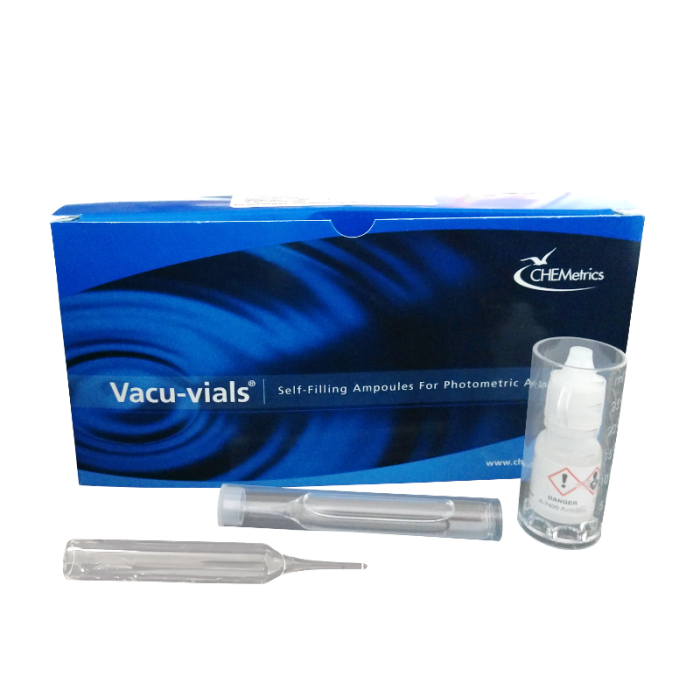
- Dissolved Hydrazine Kits – For measuring hydrazine levels in water systems.
Many modern monitoring solutions feature digital communication capabilities for easy tracking, control, and reporting.
Safety and Handling Guidelines
- Use proper personal protective equipment (PPE), including gloves, goggles, and respirators.
- Store hydrazine in tightly sealed, fire-resistant containers.
- Ensure proper ventilation in areas where hydrazine is handled.
- In case of a spill, evacuate the area and contain the leak using appropriate absorbent materials.
- Dispose of hydrazine waste according to local environmental regulations.
Conclusion
Hydrazine is a versatile and essential chemical in many industries, but its toxicity and environmental hazards demand careful handling and strict regulation. Understanding its properties, uses, and potential risks is crucial for safe handling and effective monitoring. Implementing proper safety protocols and using reliable monitoring equipment can help minimize exposure and ensure a safer working environment.
For more information on hydrazine safety equipment and monitoring products, view our full range of hydrazine solutions here.