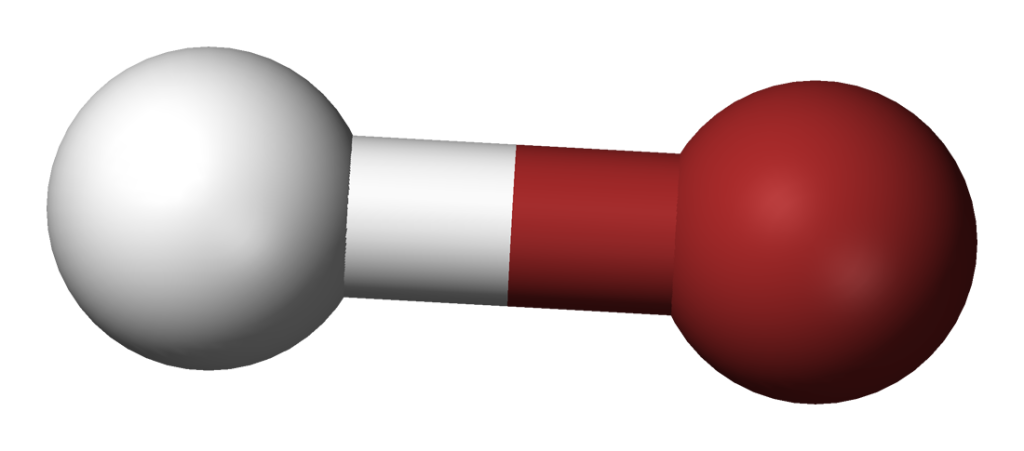
Hydrogen Bromide, also known as Hydrobromic Acid, is a colorless, corrosive gas with a pungent, irritating odor. It is commonly used in chemical laboratories and in specialized applications such as flow-type batteries. Understanding its properties, health risks, and monitoring requirements is essential for safe handling.
Chemical Properties
- Chemical Formula: HBr
- CAS Number: 10035-10-6
- Vapor Pressure: 20 atm
- Water Solubility: Soluble
- Flammability: Non-Flammable
- Odor: Pungent, irritating
Hydrogen Bromide is heavier than air, making proper ventilation crucial during handling.
Industry Uses
Hydrogen Bromide is most often utilized in:
- Chemical laboratories for synthesizing other chemicals
- Flow-type batteries as part of electrolyte solutions
Its reactivity and solubility make it a valuable chemical for these controlled applications.
Health Risks and Exposure
Hydrogen Bromide is highly toxic if inhaled or ingested. Direct contact can cause severe burns to skin, eyes, and respiratory tissues. Exposure risks include:
- Inhalation: Irritation of eyes, nose, and respiratory system
- Ingestion: Burns to mouth, throat, and stomach
- Skin/Eye Contact: Burns, frostbite, and long-term tissue damage
Long-term exposure to low concentrations, or short-term exposure to high concentrations, can lead to serious health effects.
Regulatory Exposure Limits
To ensure safe handling, several organizations have established exposure limits for Hydrogen Bromide:
| Limit / Level | Type | Organization |
|---|---|---|
| 1.0 ppm | AEGL-1 (8 hrs) | EPA |
| 5 ppm | AEGL-2 (8 hrs) | EPA |
| 15 ppm | AEGL-3 (8 hrs) | EPA |
| 3 ppm | TWA (8 hrs) | OSHA |
| 3 ppm | Ceiling (C) | NIOSH |
Sources: NIOSH, OSHA, EPA
These limits are crucial for workplace safety and compliance.
Measuring Hydrogen Bromide
Hydrogen Bromide concentration is typically measured in parts per million (ppm). For reliable monitoring:
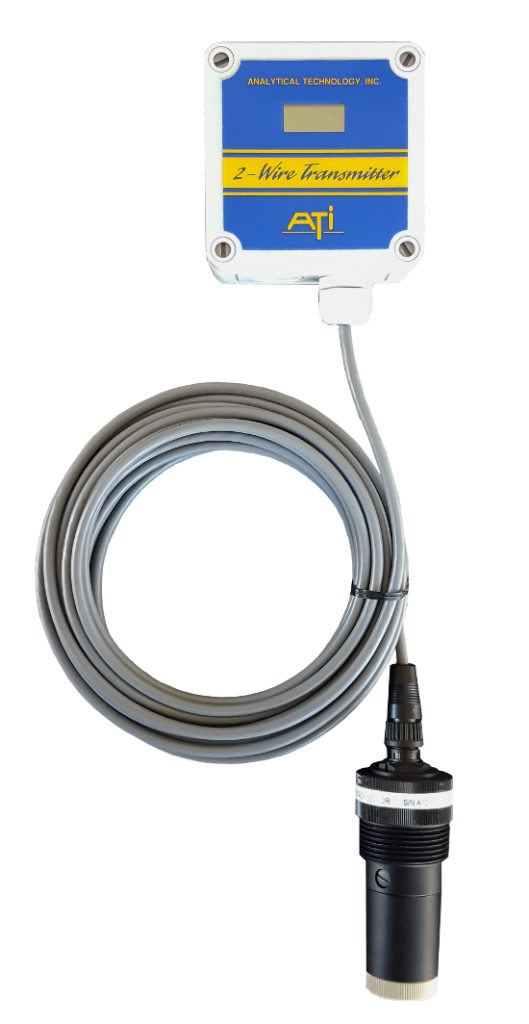
- Portable and fixed HBr monitors are available for real-time detection
- Many products include digital communication for integration with control systems
- Calibration kits and sensors ensure accurate, ongoing measurement
Monitoring is essential to prevent hazardous exposure, especially in laboratory or industrial settings.
Safety Summary
Hydrogen Bromide is a highly reactive, corrosive, and irritating gas. Safe handling requires:
- Proper ventilation and personal protective equipment (PPE)
- Monitoring to detect airborne concentrations
- Awareness of regulatory exposure limits
For those working with HBr, reliable detection and monitoring equipment are essential to maintain a safe environment.
You can find more information and products here: https://www.gas-sensing.com/information/hydrogen_bromide