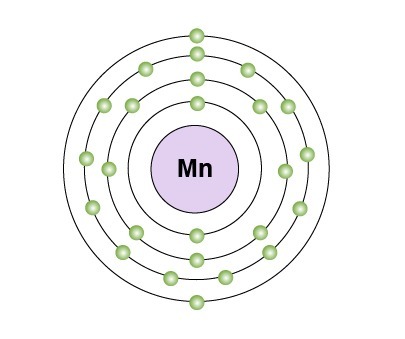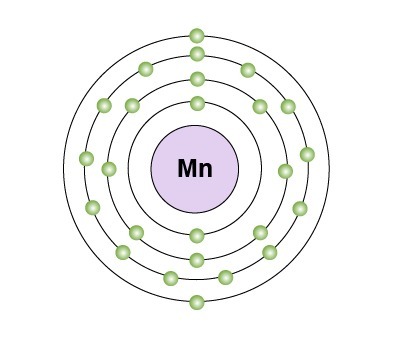
| Other Names | Mangan |
| Chemical Formula | Mn |
| CAS Number | 7439 – 96 – 5 |
| Industry Uses | Alloys; Automotive Products |
| Health Risks | Central Nervous System Damage; Psychiatric Changes; |
What is Manganese?
Manganese (Mn) is a chemical element widely used in various industrial applications, particularly in the production of alloys and automotive products. Despite its industrial importance, manganese exposure in water or air can present significant health risks.
Naturally, surface and ground waters rarely contain more than 1 mg/L of soluble or suspended manganese. It has unique chemical properties, acting as either an oxidizing or reducing agent, depending on its valence state. Elevated manganese levels in water can cause it to turn a brownish-black color, potentially staining laundry and porcelain surfaces. It also imparts a metallic, bitter taste to water, which can make it unpalatable.
Manganese Exposure and Health Risks
While manganese is essential in small amounts for maintaining proper physiological function, excessive exposure can be highly toxic. Prolonged or high-level manganese exposure is particularly harmful to human health, especially to the central nervous system.
Health Risks of Manganese Exposure Include:
- Neurological Symptoms: Long-term exposure to manganese can result in chronic neurological disorders such as muscle weakness, headaches, impaired speech, and disturbances in hand-eye coordination. It can also slow reaction times and cause hand tremors or lack of steadiness.
- Psychiatric Symptoms: Severe psychiatric changes are often a hallmark of manganese toxicity. This includes irritability, anxiety, confusion, hallucinations, and, in some cases, violent outbursts. Over time, exposure can lead to long-term psychiatric conditions.
- Physical Symptoms: Exposure can cause a wide range of symptoms, such as insomnia, dry throat, chest tightness, flu-like fever, vomiting, and kidney damage. Chronic exposure can lead to more serious consequences, such as central nervous system damage and respiratory problems.
- Direct Contact: Physical contact with manganese can lead to skin irritation and severe eye damage.
Exposure to manganese can occur through several pathways, including inhalation, ingestion, and direct contact. Due to its widespread industrial use, manganese exposure is a potential risk in workplaces and for people living near industrial facilities.
Regulations on Manganese Levels in Water
The U.S. Environmental Protection Agency (EPA) has established guidelines to regulate manganese levels in water. While manganese itself is not classified as a primary contaminant, it does fall under secondary standards, which relate to the aesthetic qualities of water (such as taste, color, and odor).
According to the EPA, the maximum contaminant level for manganese in drinking water is 0.05 mg/L. These guidelines help protect public health while ensuring that water quality remains suitable for human consumption.
Measuring Manganese Levels
Accurately measuring the concentration of manganese in water is critical for maintaining safety and complying with regulatory standards. Manganese levels in water are typically measured in units of parts per million (ppm).
We offer CHEMetrics kits designed to detect manganese concentrations in water with ranges of 0-2 ppm and 0-60 ppm. These kits provide a reliable way to monitor manganese levels, ensuring safe water for industrial use and human consumption.
Conclusion
Manganese is a versatile and essential element in various industries, but its toxic effects at high exposure levels should not be underestimated. Monitoring manganese levels in water, coupled with strict adherence to regulatory standards, is critical to protecting human health. Whether you’re managing an industrial facility or concerned about water quality, taking proper precautions to measure and regulate manganese is essential to avoid its dangerous effects.
You can find more information here: https://www.gas-sensing.com/information/manganese