What is Germane?
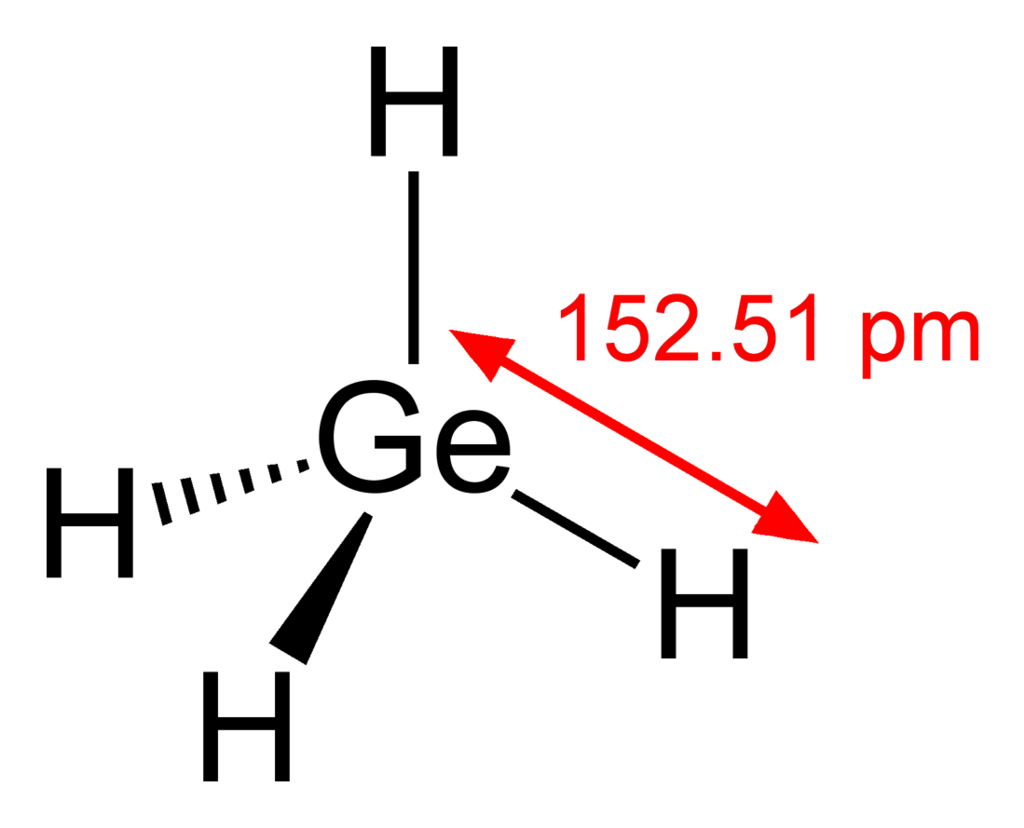
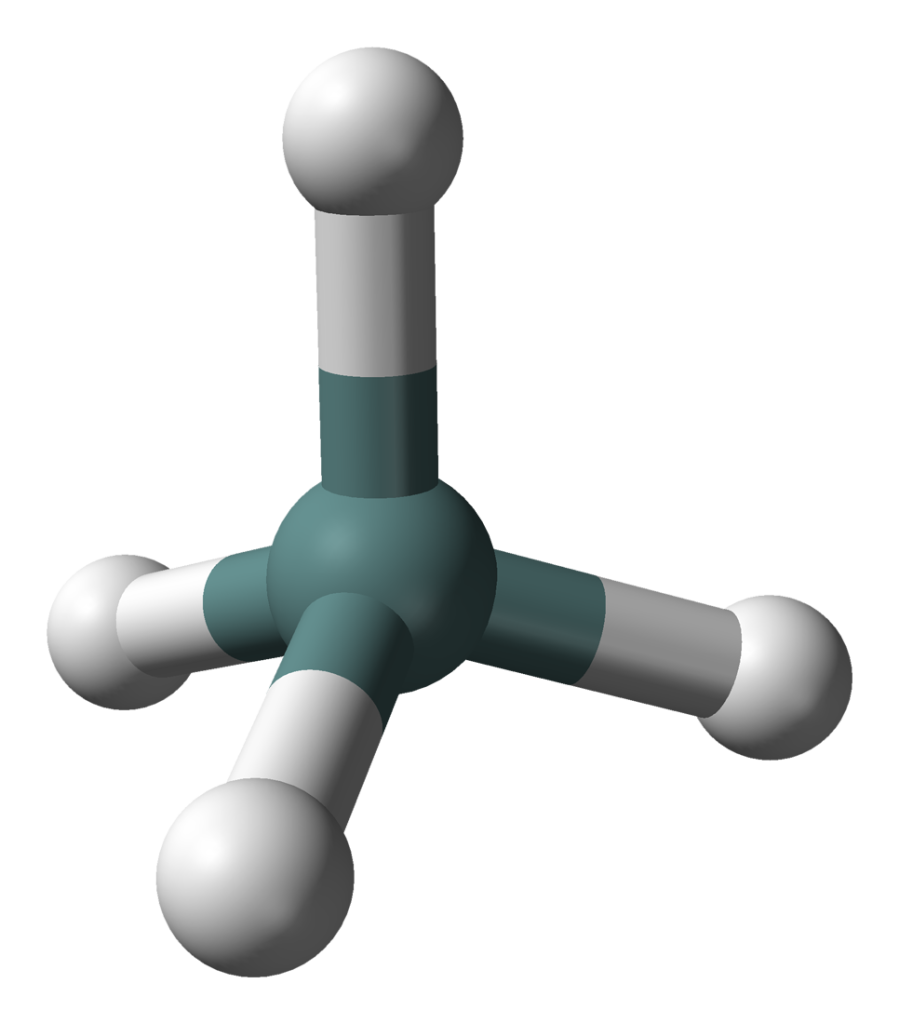
Germane (GeH₄), also known as Germanium Tetrahydride or Monogermane, is a colorless, highly flammable gas with a pungent odor. It is primarily used in the electronics industry for semiconductor manufacturing. However, germane is also a hazardous substance, posing serious health risks when inhaled or exposed to skin.
Properties of Germane
- Chemical Formula: GeH₄
- CAS Number: 7782-65-2
- Industry Uses: Electronics manufacturing
- Vapor Pressure: Greater than 1 atm
- Water Solubility: Insoluble
- Flammability: Highly flammable
- Odor: Pungent, sharp, choking
Germane is known for forming explosive mixtures with air. Its vapors are heavier than air, spreading along the ground and potentially traveling back to an ignition source, causing flashback fires.
Health Risks and Exposure
Germane is toxic when inhaled and can cause severe health effects, including:
- Respiratory issues – Irritation of the respiratory tract, difficulty breathing, dizziness, and drowsiness.
- Skin and eye damage – Direct contact can cause irritation, chemical burns, and eye damage.
- Systemic toxicity – Prolonged exposure may lead to kidney damage, nausea, vomiting, and potentially fatal poisoning.
In case of exposure, immediate medical attention is necessary. Avoid inhalation, skin contact, and prolonged exposure to germane vapors.
Regulatory Limits and Safety Guidelines
To minimize exposure risks, regulatory agencies have set limits for germane concentration in the air:
| Limit/Level | Type | Organization |
|---|---|---|
| Not Recommended | AEGL-1 (8 hrs) | EPA |
| 0.020 ppm | AEGL-2 (8 hrs) | EPA |
| 0.91 ppm | AEGL-3 (10 min) | EPA |
| 0.060 ppm | AEGL-3 (8 hrs) | EPA |
| 0.2 ppm | TWA (8 hrs) | OSHA |
| 0.2 ppm | TWA (8 hrs) | NIOSH |
Measuring Germane in the Air
Germane concentration is typically measured in parts per million (ppm). For workplace safety and environmental monitoring, specialized portable and fixed germane detectors are available. Proper monitoring ensures compliance with safety regulations and helps prevent accidental exposure.
All of those units can be found here: https://www.gas-sensing.com/support/gas-information/germane.html
Conclusion
Germane is a valuable gas in the electronics industry, but it presents significant safety hazards. Proper handling, adherence to exposure limits, and continuous air monitoring are crucial for workplace safety. Awareness and compliance with regulatory guidelines can prevent toxic exposure and potential health risks.
Would you like more information on handling and emergency procedures for germane exposure?