What is Glycol?
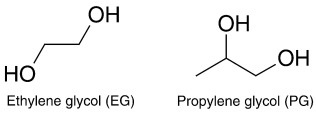
Glycol refers to a class of organic compounds commonly used in industrial, pharmaceutical, and commercial applications. The two most widely used types are ethylene glycol (C₂H₆O₂) and propylene glycol (C₃H₈O₂).
Common Names & Chemical Identification
| Type | Chemical Formula | CAS Number |
|---|---|---|
| Ethylene Glycol | C₂H₆O₂ | 107-21-1 |
| Propylene Glycol | C₃H₈O₂ | 57-55-6 |
Industry Uses
- Ethylene Glycol: Commonly found in antifreeze, coolants, resins, and explosives.
- Propylene Glycol: Used in pharmaceuticals, cosmetics, and food products as a solvent and stabilizer.
Glycol Exposure & Health Risks
While both types of glycol are useful, exposure can pose significant health risks, particularly ethylene glycol, which is highly toxic if ingested.
Health Risks of Propylene Glycol
- Can cause respiratory irritation if inhaled in large amounts.
- In high doses, toxicity may lead to kidney failure, lactic acidosis, and systemic inflammatory response syndrome (SIRS).
- Can irritate eyes and cause serious damage if exposure is prolonged.
Health Risks of Ethylene Glycol
- Inhalation: Causes throat and respiratory tract irritation.
- Ingestion: Can lead to three stages of poisoning:
- Central Nervous System (CNS) depression – dizziness, nausea, and confusion.
- Cardiopulmonary effects – heart and lung complications.
- Renal damage – kidney failure and potential fatality.
- Ethylene glycol is fetotoxic, meaning it can harm unborn children if exposure occurs during pregnancy.
Regulations on Glycol Use
Currently, there are no specific concentration limits for dissolved propylene or ethylene glycol in water. However, industries that use glycol must take precautions to minimize environmental contamination and reduce health risks for workers.
Measuring Glycol in Water
Glycol contamination in water is a concern in many industries, especially in cooling systems, deicing operations, and stormwater runoff.
All of those units can be found here: https://www.gas-sensing.com/support/gas-information/glycol.html
Glycol Testing Kits
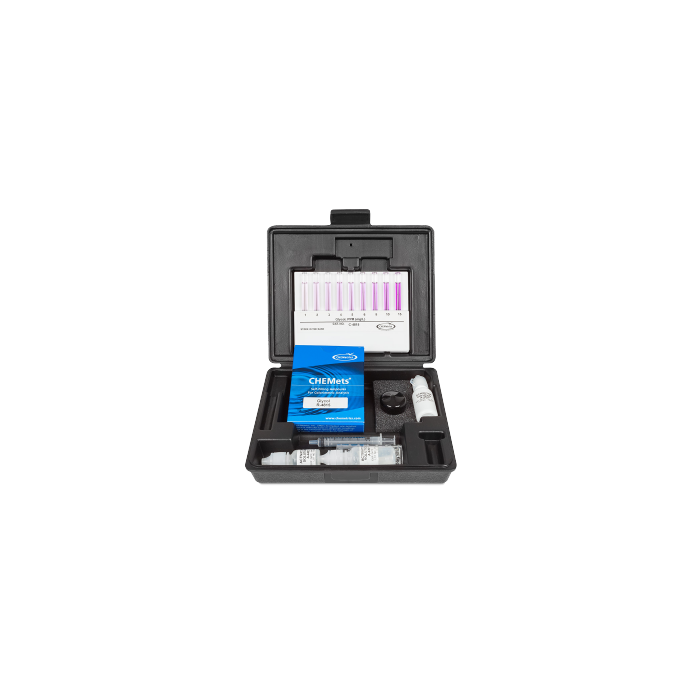
Dissolved glycol concentration is measured in parts per million (ppm). Our CHEMetrics glycol test kits allow users to determine glycol levels in water within the following ranges:
- 0-15 ppm
- 10-150 ppm
Results are initially measured as ppm ethylene glycol, but to convert to ppm propylene glycol, simply multiply by two.
Common Applications of Glycol Testing
- Monitoring potable water for glycol contamination.
- Testing stormwater runoff for glycol pollution from aircraft deicing.
- Ensuring proper glycol levels in cooling systems.
- Assessing glycol recycling operations for efficiency.
For more information on our glycol testing kits, view our full product selection [HERE].
Conclusion
Glycol is an essential compound in many industries, but its potential toxicity requires careful handling and monitoring. Whether you’re testing water sources for contamination or ensuring safe glycol levels in cooling systems, having the right tools for accurate measurement is crucial.
Ensure safety and compliance by monitoring glycol levels with reliable test kits today!