Glycols, known by the names propylene glycol and ethylene glycol, play pivotal roles in various industries, particularly in the production of antifreeze. In this blog post, we delve into the intricate details of these chemicals—exploring their properties, applications, health risks, regulations, and the importance of monitoring their concentrations in water.
Glycol Identities:
1. Propylene Glycol:
- Chemical Formula: C3H8O2
- CAS Number: 57 – 55 – 6
2. Ethylene Glycol:
- Chemical Formula: C2H6O2
- CAS Number: 107 – 21 – 1
Industry Uses:
Glycols, especially propylene and ethylene glycol, are crucial components in commercially-available antifreeze. They are incorporated with corrosion inhibitors to protect metal surfaces in cooling water systems. Propylene glycol finds additional use as a solvent for pharmaceutical preparations.
What is Glycol:
- Propylene Glycol: Clear, colorless, and viscous, propylene glycol serves as a solvent in pharmaceuticals. However, it is highly toxic to aquatic life, causing lasting damage.
- Ethylene Glycol: A colorless, odorless compound with a sweet taste, ethylene glycol is poisonous if ingested. It is extensively used as an antifreeze, coolant, and in the synthesis of medications.
Glycol Exposure and Health Risks:
- Propylene Glycol: Toxicity can lead to serum hyperosmolality, lactic acidosis, kidney failure, and more. It can be harmful if swallowed or cause serious eye damage.
- Ethylene Glycol: Ingestion can result in central nervous system depression, cardiopulmonary effects, renal damage, and even lethality. It is also fetotoxic, harming fetuses.
Regulations:
There are no specific regulations or restrictions listed for the concentration of dissolved propylene or ethylene glycol.
Measuring Glycol:
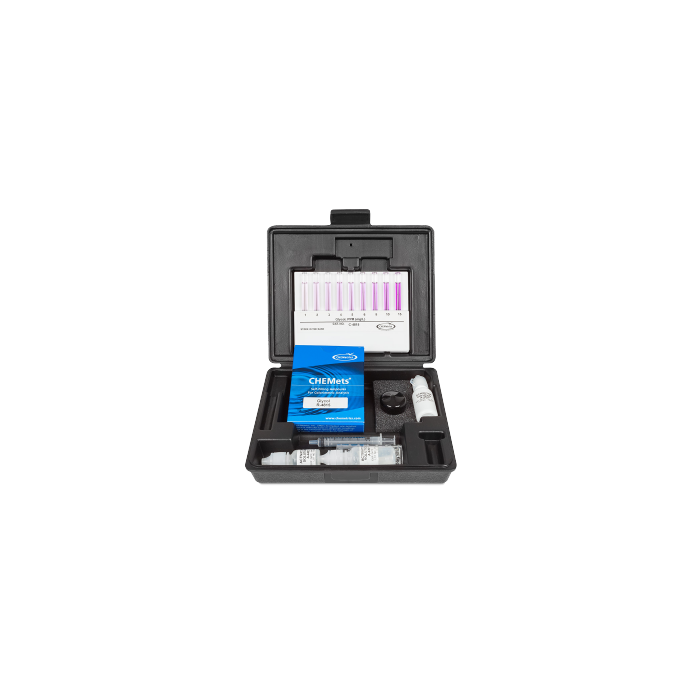
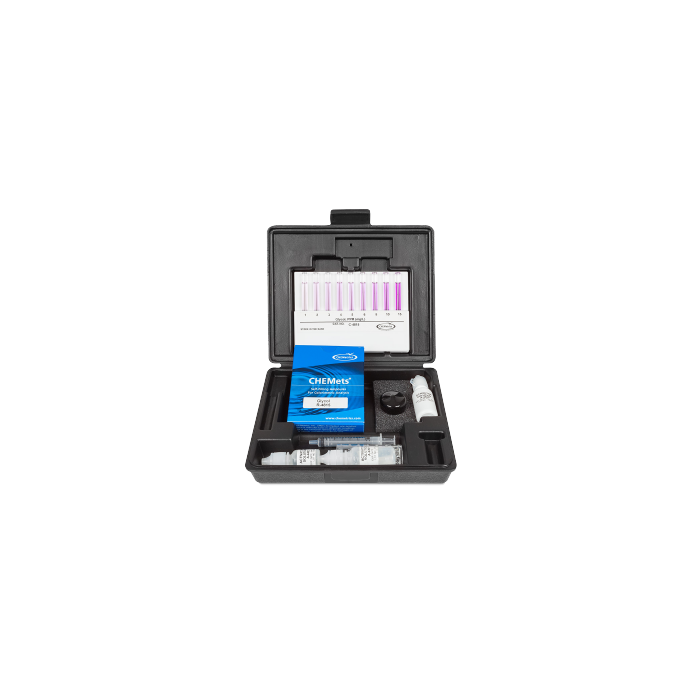
Dissolved glycol concentration in water is measured in parts per million (ppm). Kits from CHEMetrics offer a reliable solution to determine glycol levels, covering a range from 0-15 ppm up to 10-150 ppm. Monitoring glycol contamination in potable waters, stormwater effluent, and airplane deicing operations is crucial, and these kits provide accurate results.
Conclusion:
Understanding the properties, applications, and risks associated with glycols is crucial for ensuring safety and compliance. Monitoring the concentration of dissolved glycols in water becomes essential, and the CHEMetrics kits offer a convenient and effective solution for this purpose.
Whether you are involved in water treatment, pharmaceuticals, or other industries where glycols are prevalent, maintaining awareness of their presence and concentration is key. To safeguard your processes and adhere to safety standards, explore our range of glycol monitoring products. Our commitment to accurate measurements and safety extends to calibration services, ensuring your monitoring devices are in top-notch condition.
For any assistance in choosing the right product or calibration service for your application, feel free to contact us. Your safety and the integrity of your processes are our priorities.