What Are Hydrocarbons?
Hydrocarbons are organic compounds composed entirely of hydrogen and carbon. They are one of the most abundant organic compounds on Earth, primarily found in crude oil and natural gas. Formed from decomposed organic matter over millions of years, hydrocarbons serve as a primary energy source for modern civilization.
Extracted hydrocarbons in liquid form are known as petroleum, while those in gaseous form are called natural gas. Hydrocarbons are essential in the production of fuels, plastics, and chemicals, making them critical to the global economy and industrial processes.
Types of Hydrocarbons
Hydrocarbons are classified into three main categories based on their chemical structure and bonding patterns:
1. Saturated Hydrocarbons
- Also known as alkanes
- Composed entirely of single bonds between carbon atoms
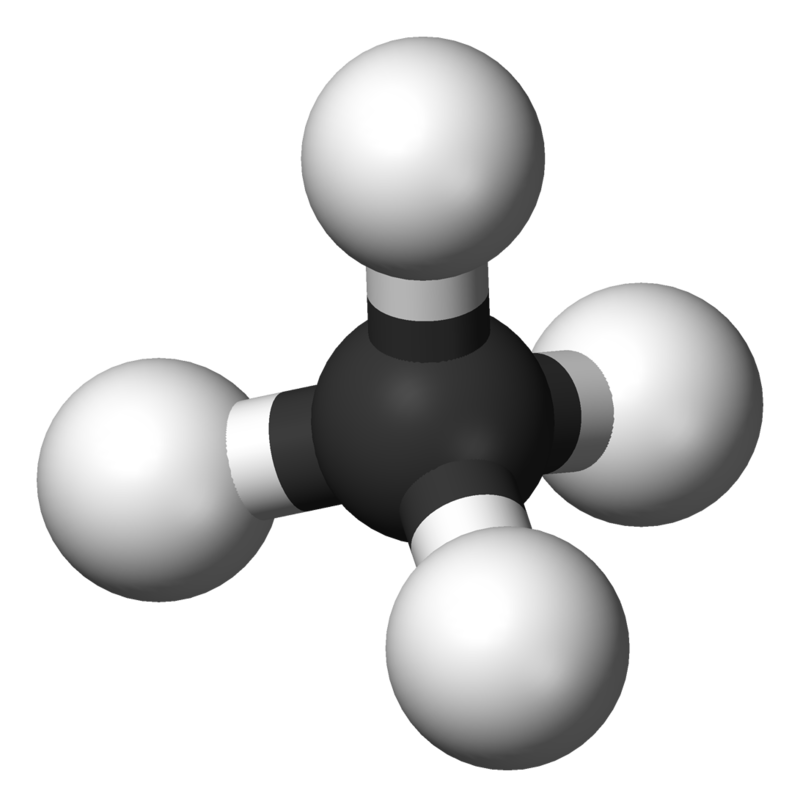
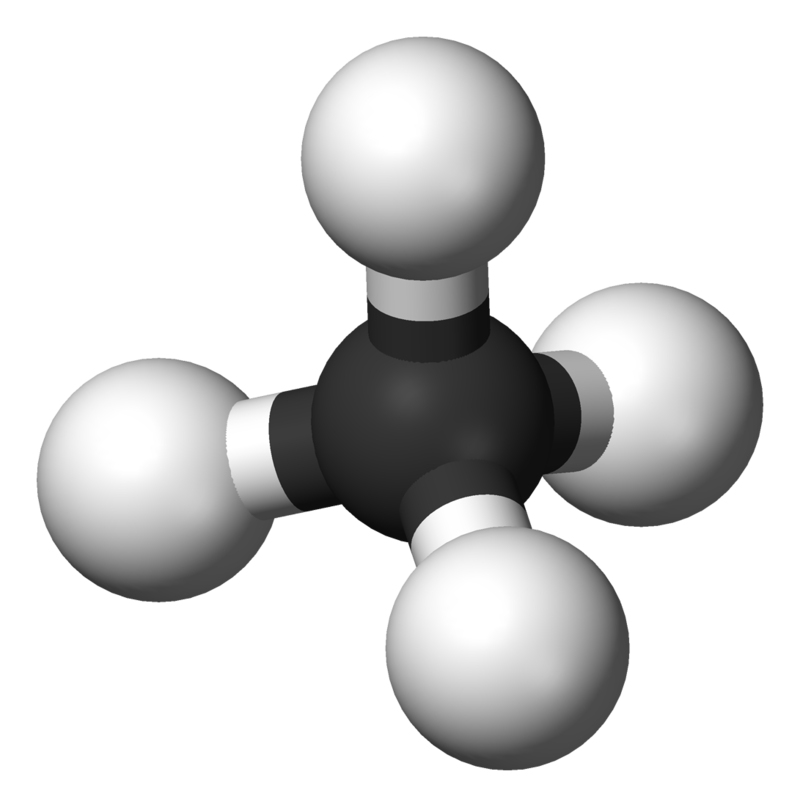
- Examples: Methane (CH₄), Propane (C₃H₈), Butane (C₄H₁₀)
- Found in natural gas and gasoline
2. Unsaturated Hydrocarbons
- Contain one or more double or triple bonds between carbon atoms
- Two types:
- Alkenes (contain double bonds) – Example: Ethylene (C₂H₄)
- Alkynes (contain triple bonds) – Example: Acetylene (C₂H₂)
- Used in the production of plastics, resins, and synthetic fibers
3. Aromatic Hydrocarbons
- Contain at least one aromatic ring (a ring structure with alternating double bonds)
- Example: Benzene (C₆H₆), Toluene (C₇H₈)
- Commonly used in the manufacture of dyes, solvents, and pharmaceuticals
Physical States of Hydrocarbons:
- Gases – Methane, propane
- Liquids – Hexane, benzene
- Waxes or low-melting solids – Paraffin wax
- Polymers – Polyethylene, polypropylene
Health Risks of Hydrocarbons
While hydrocarbons are essential in modern industry, they pose several health and safety risks if not handled properly.
Combustion Risks
- When hydrocarbons burn, they produce carbon monoxide (CO), a toxic gas that can cause respiratory failure and death in high concentrations.
- Inhalation of combustion byproducts can cause headaches, dizziness, and long-term neurological damage.
Chemical Reactions with Fluorine Compounds
- Hydrocarbons should be kept away from fluorine compounds.
- Exposure can result in the formation of hydrofluoric acid (HF), which is highly toxic and corrosive.
Hydrocarbon Poisoning
Hydrocarbon poisoning can occur through inhalation, ingestion, or skin contact. Symptoms and health effects include:
- Respiratory distress – Inhalation can cause coughing, shortness of breath, and lung inflammation.
- Neurological symptoms – Dizziness, headaches, confusion, and loss of consciousness.
- Skin and tissue damage – Direct contact with petroleum-based hydrocarbons can lead to burns, tissue necrosis, and abscess formation.
- Systemic toxicity – Damage to the central nervous system, kidneys, and liver may occur with prolonged exposure.
Intravenous or Subcutaneous Injection
Intentional or accidental injection of petroleum compounds can result in:
- Tissue damage and necrosis
- Respiratory failure
- Organ failure
- Sepsis and death in severe cases
Measuring Hydrocarbons
Monitoring hydrocarbon levels is essential for maintaining safe working environments and ensuring environmental compliance. Hydrocarbon concentration is typically measured in parts per million (ppm) or percentage by volume.
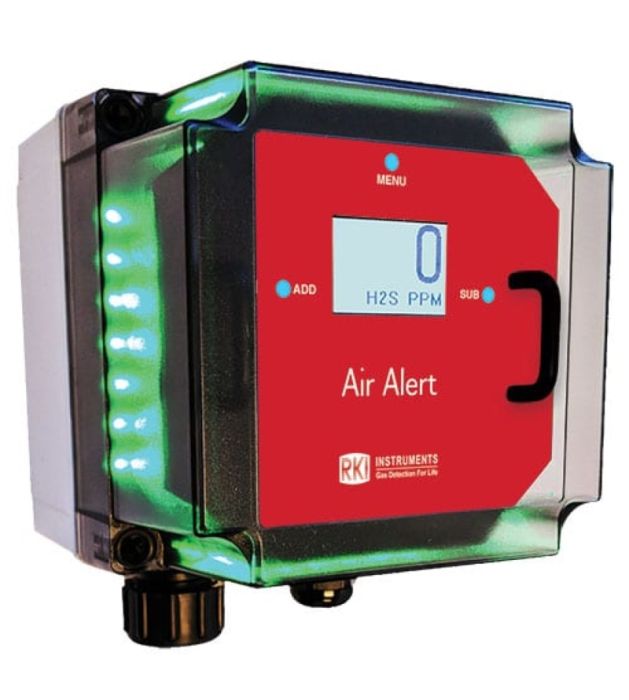
We offer a range of hydrocarbon detection products, including:
- Portable hydrocarbon monitors – For field and industrial use
- Fixed hydrocarbon detectors – For continuous monitoring in process facilities
- Gas chromatographs – For high-precision laboratory analysis
To explore our full range of hydrocarbon measuring products, here.
Conclusion
Hydrocarbons are essential to modern life, fueling industries and providing the raw materials for countless products. However, their toxicity and flammability require careful handling and monitoring. Understanding the types of hydrocarbons and the health risks associated with them is crucial for ensuring safety and environmental protection.
Proper monitoring and control of hydrocarbon levels can prevent health issues and accidents, making it vital for industries to invest in reliable hydrocarbon detection equipment.