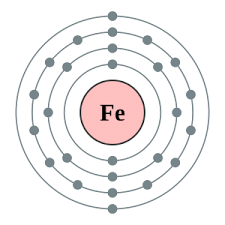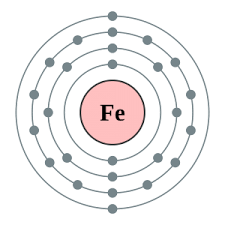
What is Iron?
Iron (chemical symbol Fe, CAS Number 7439-89-6) is one of the most abundant metals on Earth and a vital element in many industries and biological systems. Found naturally in the form of oxides or combined with elements like silicon or sulfur, iron is essential to human health but can also pose serious environmental and health risks when present in excess.
Other Names
- Ferrum
- Ferrous Iron
Common Industry Uses
- Supplements – used to treat iron deficiency and anemia.
- Alloys – a key component in the production of steel and other metal alloys.
- Automotive Products – used in engine components, brake systems, and other metal parts.
Environmental Presence and Impact
In nature, iron is often dissolved in water or exists in particulate form. Surface water typically contains low levels (under 1 mg/L), while groundwater can contain higher concentrations. Elevated iron levels often cause:
- Rust-colored staining on laundry, plumbing fixtures, and porcelain.
- Metallic taste in drinking water.
- Sediment buildup in pipes and tanks.
High concentrations of iron in surface water may indicate industrial runoff or wastewater discharge. In oilfield brines, iron contamination usually results from corrosion of iron-based infrastructure. This contamination can lead to accumulation of insoluble iron salts, causing formation damage and a reduction in oil well productivity.
Health Risks of Iron Exposure
Iron is essential in small amounts, but high exposure can be toxic.
Short- and Long-Term Health Risks:
- Hemochromatosis – a disorder where excess iron accumulates in the body, leading to:
- Liver disease and cirrhosis
- Heart failure and irregular heart rhythm
- Hormonal imbalances
- Iron Overload – excessive iron in the bloodstream leads to the production of free radicals, damaging:
- DNA
- Proteins
- Lipids
- Organs like the heart and liver
- Toxic Effects include:
- Shock
- Coma
- Liver failure
- Metabolic acidosis
- Respiratory distress
- Death
Iron toxicity typically occurs when iron levels exceed the capacity of transferrin, the body’s primary iron-binding protein.
Regulatory Standards
| Limit | Type | Organization |
|---|---|---|
| 0.3 mg/L | Secondary Standard – Max Contaminant Level | EPA |
This EPA guideline addresses aesthetic concerns such as taste, odor, and staining rather than health hazards.
Measuring Iron in Water and Brine
Iron concentration in water is typically measured in parts per million (ppm) or mg/L. Accurate monitoring is critical in industrial, environmental, and municipal applications.
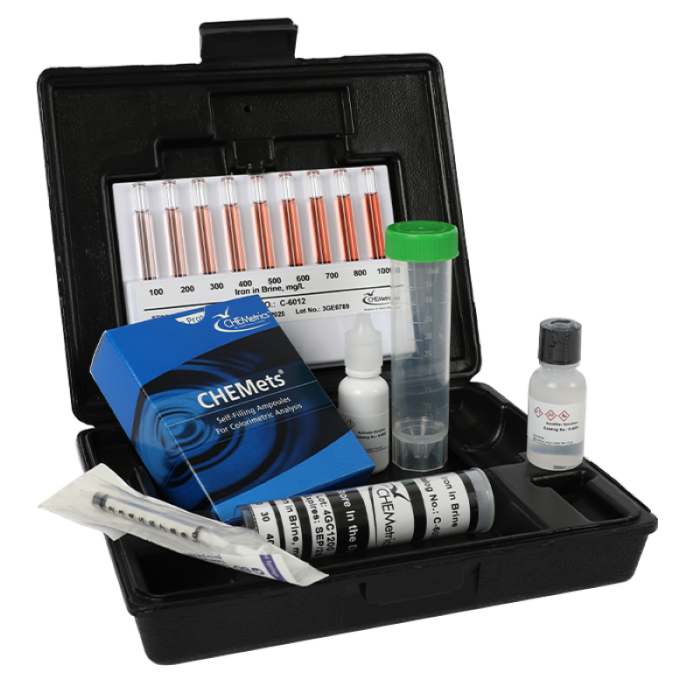
We offer CHEMetrics test kits designed to detect a wide range of iron concentrations:
- 0–1 ppm to 1200–12,000 ppm in water
- Specialized kits for iron detection in brine
To explore our full line of iron detection kits, visit our Iron Product Page.
Whether you’re monitoring drinking water, treating industrial wastewater, or managing oilfield operations, reliable iron testing is essential to protecting infrastructure, human health, and the environment.
You can find more information here: https://www.gas-sensing.com/information/iron