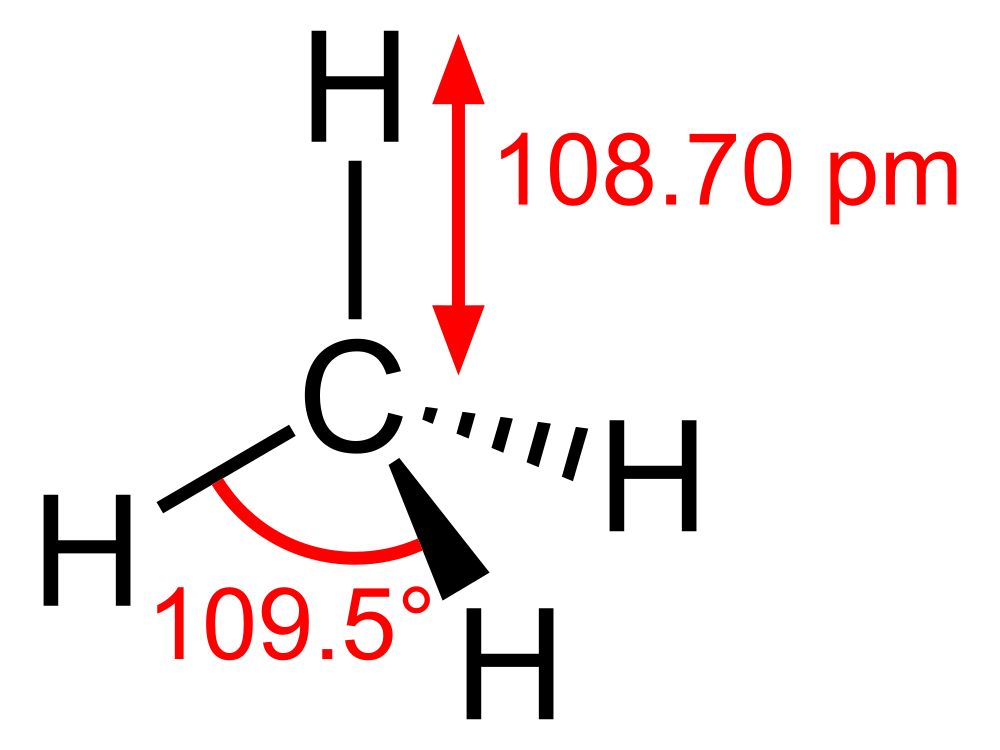
Methane (CH4) is a colorless, odorless gas that is highly flammable and can be hazardous in high concentrations. It is the main component of natural gas and is commonly used as a fuel source. While methane itself is not toxic, it poses significant risks due to its flammability and the potential for asphyxiation in confined spaces. In this blog post, we’ll explore the dangers of methane, the importance of detecting it, and how gas detectors work to keep you safe.
The Dangers of Methane
Methane is found in various environments, including natural gas lines, landfills, coal mines, and certain agricultural settings. The primary dangers associated with methane are:
- Explosive Potential: Methane is highly flammable and can form explosive mixtures with air. An ignition source can lead to catastrophic explosions.
- Asphyxiation: In enclosed spaces, high concentrations of methane can displace oxygen, leading to asphyxiation.
- Environmental Impact: Methane is a potent greenhouse gas, contributing to climate change when released into the atmosphere.
Given these risks, having a reliable method of detection is crucial for safety in both residential and industrial settings.
How Gas Detectors Detect Methane
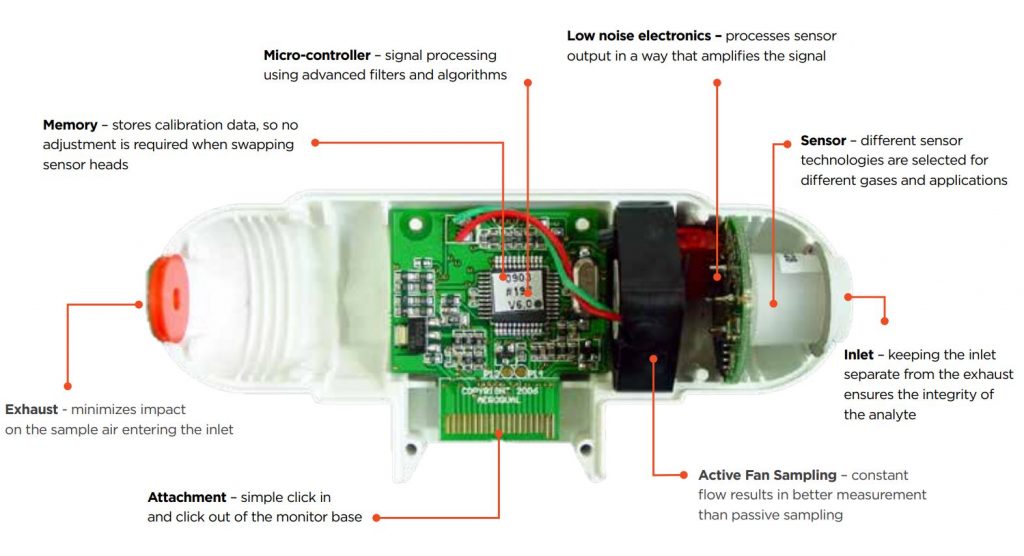
Methane detectors are designed to alert you to the presence of CH4 in the air before it reaches dangerous levels. Here’s how they work:
Types of Methane Detectors
- Catalytic Bead Sensors:
- Operation: These sensors use a catalytic bead that reacts with methane. When methane contacts the bead, it causes a chemical reaction that generates heat, changing the resistance of the bead and triggering the alarm.
- Advantages: Reliable and widely used for detecting a range of combustible gases.
- Disadvantages: Require oxygen to operate and can be poisoned by certain contaminants, reducing effectiveness over time.
- Infrared (IR) Sensors:
- Operation: IR sensors use infrared light to detect methane. The sensor measures the absorption of specific wavelengths of light as they pass through the gas sample. Methane absorbs infrared light at a characteristic wavelength, and the detector measures this absorption to determine the gas concentration.
- Advantages: Highly accurate, not affected by the presence of other gases or contaminants, and do not require oxygen.
- Disadvantages: More expensive and require regular calibration.
- Semiconductor Sensors:
- Operation: These detectors use a semiconductor material that changes its electrical properties in the presence of methane. The change in resistance is measured and used to trigger an alarm.
- Advantages: Cost-effective and sensitive to low concentrations of methane.
- Disadvantages: Can be affected by changes in humidity and temperature, requiring frequent calibration.
Key Features of Methane Detectors
- Alarm System: Most detectors emit a loud alarm when methane levels exceed a certain threshold, typically around 10% of the lower explosive limit (LEL).
- Digital Display: Some detectors have a digital display showing real-time methane levels, allowing you to monitor even low concentrations.
- Battery Backup: Detectors with battery backups ensure they continue to function during a power outage.
- Interconnectivity: In interconnected systems, when one detector senses methane, all connected units will sound an alarm, providing broader coverage.
Installation and Maintenance Tips
- Placement: Install methane detectors near potential sources of gas leaks, such as gas appliances, furnaces, and in basements or other low-lying areas where gas might accumulate. Follow the manufacturer’s instructions for proper placement.
- Regular Testing: Test your methane detectors monthly to ensure they are functioning correctly.
- Battery Replacement: Replace batteries at least once a year, or as needed, based on the detector’s low-battery warning.
- Detector Replacement: Methane detectors have a limited lifespan, typically 5-7 years. Check the manufacturer’s recommendations and replace units as necessary.
Conclusion
Methane poses serious risks due to its flammability and potential for asphyxiation. Investing in reliable methane detectors and ensuring they are properly installed and maintained can prevent accidents and save lives. By understanding how these detectors work and taking the necessary precautions, you can protect yourself and your loved ones from the dangers associated with methane.
For more information on methane detectors or assistance in choosing the right one for your home or business, please contact our team of experts. Your safety is our top priority.
You can find our full lineup for Methane Gas Detectors HERE