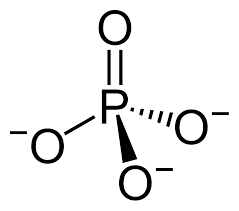
Phosphate plays a vital role in both natural ecosystems and various industries. While it is not considered a direct health risk to humans, monitoring phosphate levels is essential due to its environmental significance—particularly its contribution to water quality and ecosystem health.
What is Phosphate?
Phosphate, also known as the phosphate ion, is a compound containing the chemical formula O₄P⁻³. It is commonly found in nature as part of phosphorus-containing minerals. In the environment, phosphate often enters surface waters from sources such as:
- Fertilizer runoff
- Domestic waste discharge
- Industrial effluents
- Detergents
These sources may release phosphates in the form of polyphosphates or organically bound phosphates, which eventually degrade into reactive phosphate—the form that can impact aquatic systems.
Chemical Information
- Other Name: Phosphate Ion
- Chemical Formula: O₄P⁻³
- CAS Number: 14265-44-2
- Used In:
- Chemical laboratories
- Agriculture
- Fertilizer production
Phosphate Exposure and Health Risks
Phosphate itself is not harmful to human health, and there are no notable health risks from typical levels of exposure. However, phosphate poses a significant risk to the environment. When it accumulates in water bodies, it can lead to eutrophication—a process where excessive nutrients cause algae blooms, oxygen depletion, and damage to aquatic ecosystems.
Environmental Concerns: Eutrophication
Eutrophication is a major environmental issue driven by high levels of phosphate and other nutrients in water. It can result in:
- Algal blooms
- Decreased oxygen levels
- Loss of aquatic biodiversity
- Impaired water quality
Managing phosphate levels in surface waters is critical for preventing these harmful effects.
Regulations
Currently, there are no specific federal restrictions or regulatory limits on phosphate concentrations in water. However, many industries and local agencies monitor phosphate levels closely due to their environmental impact.
Measuring Phosphate Levels
Phosphate concentrations in water are typically measured in parts per million (ppm). This data is essential for applications such as:
- Controlling scale and corrosion inhibitors in boilers and cooling towers
- Monitoring water quality in environmental assessments
- Evaluating agricultural runoff impacts
At our facility, we offer CHEMetrics phosphate testing kits, which are designed to provide accurate and efficient phosphate level measurements in water samples.
Explore our Phosphate Products [HERE].
Conclusion
While phosphate does not pose a direct health threat, its presence in water systems is a key environmental concern. Regular monitoring is essential to mitigate the effects of eutrophication and maintain healthy aquatic ecosystems. Whether you’re working in agriculture, industry, or environmental science, reliable phosphate measurement tools can help ensure responsible water management.
You can find more information here: https://www.gas-sensing.com/information/phosphate