
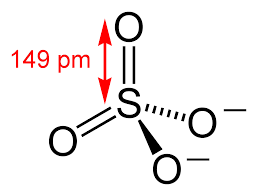
Sulfate, also known as sulfate ion or sulphate, is a chemical compound with the formula SO4-2. While it’s widely present in natural waters and has various industrial uses, sulfate exposure can pose health risks, particularly as a laxative. In this blog post, we’ll explore the uses of sulfate, its health risks, regulatory standards, and how it’s measured in water.
What is Sulfate?
Sulfate is commonly found in natural waters at varying concentrations. In the beverage industry and industrial processes like cooling water and ion exchange systems, sulfate levels are monitored to prevent calcium sulfate scale formation. Its chemical formula, SO4-2, indicates its composition of one sulfur atom bonded to four oxygen atoms with a 2- charge.
Sulfate Exposure and Health Risks
Exposure to increased concentrations of sulfate in water can result in a salty taste and odor. However, the primary health risk associated with sulfate is its laxative effect. High levels of sulfate can increase large intestinal motility and inhibit fluid and electrolyte absorption in the large intestine, leading to gastrointestinal discomfort.
Regulations on Sulfate Levels
Regulatory standards govern the permissible levels of sulfate in drinking water. The Environmental Protection Agency (EPA) sets a maximum secondary drinking water standard of 250 mg/L for sulfate. This standard aims to protect consumers from the taste and odor effects of sulfate, as well as its laxative properties.
Measuring Sulfate in Water
Dissolved sulfate concentration in water is typically measured in parts per million (ppm). Instrumental kits, such as those available from CHEMetrics, offer a convenient way to determine sulfate levels in water. These kits provide accurate and reliable results, allowing for effective monitoring of sulfate levels in various water sources.
All of those units can be found here: https://www.gas-sensing.com/information/sulfate
Conclusion
Sulfate is a common chemical compound found in natural waters and utilized in various industrial applications. While it plays a role in processes like scale formation prevention, excessive exposure to sulfate can have adverse health effects, particularly as a laxative. Regulatory standards help ensure that sulfate levels in drinking water remain within safe limits. With the availability of measurement kits, monitoring sulfate levels in water is both accessible and essential for maintaining water quality and safeguarding public health.