Introduction
Sulfur dioxide (SO2) is a chemical compound with various industrial and environmental applications, but it also poses significant health risks. Understanding its properties, uses, and associated risks is crucial for mitigating exposure and ensuring safety in various settings. In this post, we delve into the characteristics of sulfur dioxide, its industrial uses, health risks, regulatory standards, and methods for monitoring its concentration.
Properties of Sulfur Dioxide
Other Names: Sulfurous anhydride; sulfurous oxide; sulphur dioxide
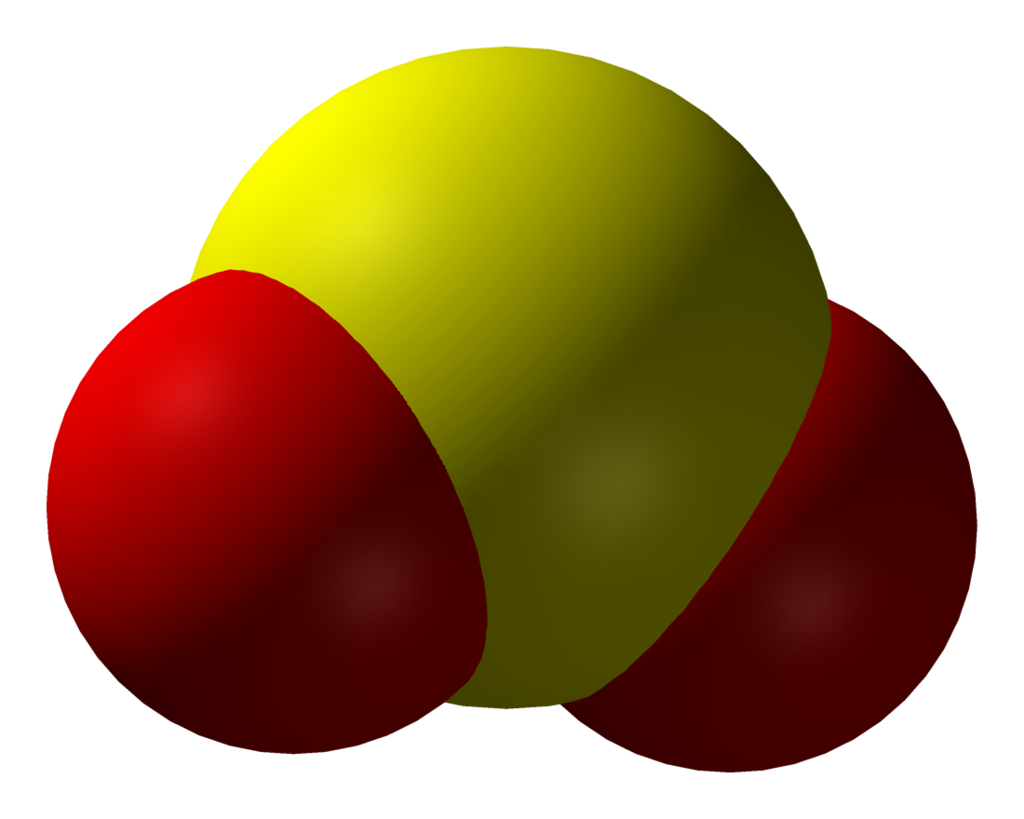
Chemical Formula: SO2
CAS Number: 7446 – 09 – 5
Vapor Pressure: 3.2 atm
Water Solubility: Slightly Soluble; Reacts with Water and Steam
Flammability: Non-Flammable
Odor: Pungent, Irritating
Industrial Uses
Sulfur dioxide finds application in various industries:
- Volcanic Activity: It is naturally released by volcanic activity.
- Fossil Fuels: It is a by-product of burning fossil fuels contaminated with sulfur compounds.
- Pharmaceuticals: Used as a pharmaceutical aid and antioxidant.
- Sanitization: Acts as a sanitizing agent for food containers and fermentation equipment.
Health Risks
Exposure to sulfur dioxide can lead to severe health consequences:
- Respiratory Irritation: Causes inflammation to the nose, throat, and lungs, leading to symptoms like choking, coughing, and nasal discharge.
- Pulmonary Effects: Can result in pulmonary edema, pneumonia, respiratory paralysis, and even death in severe cases.
- Dermal Burns/Frostbite: Direct contact can cause skin burns or frostbite.
Regulations and Exposure Limits
Various organizations have established exposure limits for sulfur dioxide:
- EPA: AEGL-1 (0.2 ppm), AEGL-2 (0.75 ppm), AEGL-3 (9.6 ppm)
- OSHA: TWA (8 hrs) – 5 ppm
- NIOSH: TWA (8 hrs) – 2 ppm, Short-Term – 5 ppm
Measuring Sulfur Dioxide
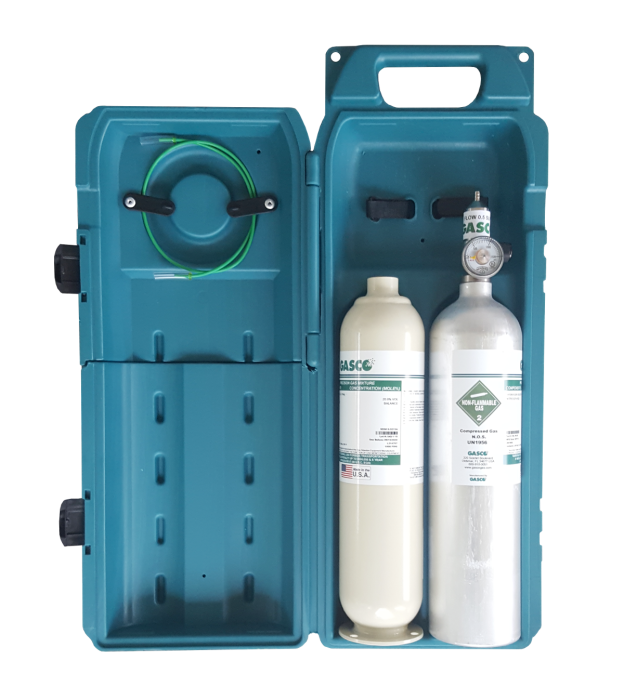
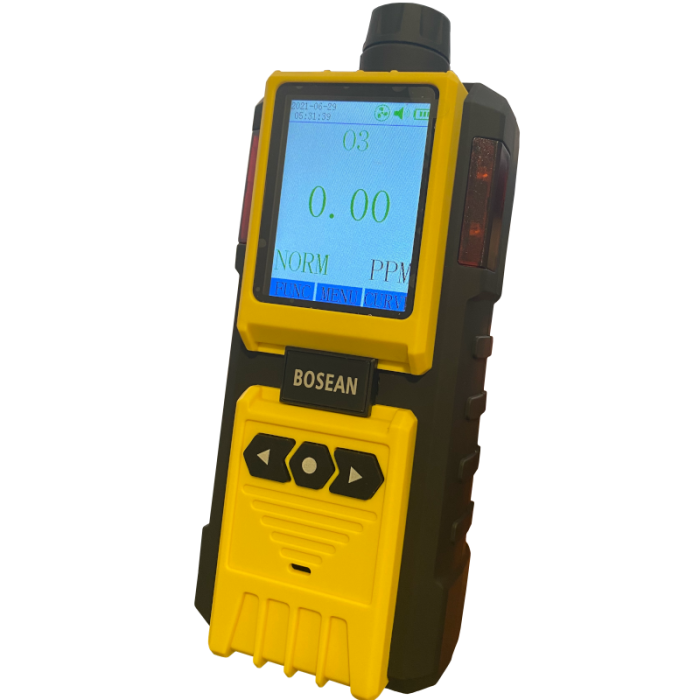
Sulfur dioxide concentration in the air is typically measured in parts per million (ppm). Monitoring its levels is crucial for ensuring safety. Our range of products includes portable and fixed sulfur dioxide monitors and kits equipped with digital communication capabilities for easy monitoring and control.
All of those units can be found here: https://www.gas-sensing.com/information/sulfur_dioxide
Conclusion
Sulfur dioxide, while essential in certain industrial processes, poses significant health risks. Understanding its properties, risks, and regulatory standards is vital for implementing effective safety measures. By investing in reliable monitoring equipment and adhering to established guidelines, industries can mitigate the risks associated with sulfur dioxide exposure and ensure a safe working environment for all.