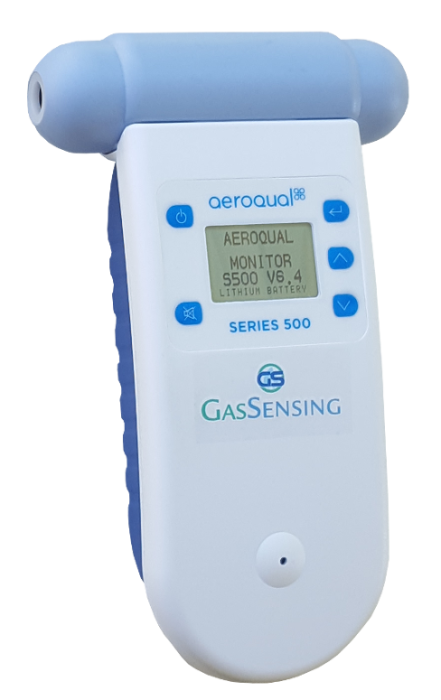
In recent times, many customers operating in high VOC (Volatile Organic Compounds) environments have encountered issues with the performance of their GSS-based ozone sensor heads. If you are among them, this post is for you. The challenges you face can often be mitigated by switching to GSE-based ozone sensor heads, specifically the EOZ and EOZH models.
To help you make an informed decision and ensure the longevity and accuracy of your ozone sensors, here are some best practices for proper storage and handling:
Why GSE-based Ozone Sensor Heads?
GSE-based ozone sensor heads, such as the EOZ and EOZH, are designed to offer improved performance in environments with high levels of VOCs. These sensor heads are less susceptible to contamination and drift, making them a more reliable choice for your needs.
Recommendations for Proper Storage and Handling
1. Protective Enclosure:
Store your sensors in airtight, protective enclosures like sealed plastic bags when not in use. This practice minimizes exposure to VOCs, reducing the risk of contamination and sensor drift.
2. Temperature and Humidity Control:
Maintain a stable environment with controlled temperature and humidity for sensor storage. Aligning storage conditions with operational conditions helps avoid condensation and humidity effects that can impact sensor performance.
3. Filtered Air Storage:
Utilize a storage area equipped with HEPA and activated carbon filtration systems. These filters effectively reduce VOC levels and particulate contamination, ensuring a cleaner environment for your sensors.
4. Regular Maintenance:
Implement a regular cleaning and maintenance schedule for the storage area and the enclosures. This routine ensures that the storage environment remains optimal and free from contaminants.
5. Calibrate Regularly:
In high VOC environments, sensors may require more frequent calibration to maintain accuracy and reliability. Establish a regular calibration schedule based on your specific conditions.
6. Monitoring Storage Conditions:
Regularly monitor the storage conditions, including temperature, humidity, and VOC levels. Ensure these parameters remain within the recommended ranges for your sensors to function effectively.
For more detailed information about the different sensor heads and their applications, visit Aeroqual’s Ozone Sensor Head Information. This resource provides comprehensive insights into the capabilities and specifications of various sensor heads, helping you choose the right one for your environment.
By following these guidelines, you can enhance the performance and lifespan of your ozone sensors, ensuring they deliver accurate and reliable readings even in challenging high VOC environments.