
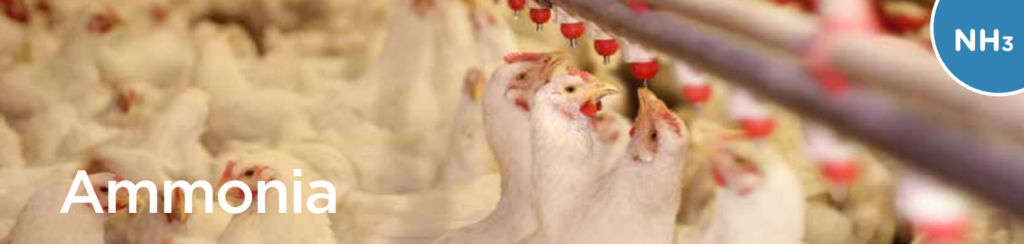
Ammonia
Why measure it? Ammonia gas (NH3) is made up of nitrogen and hydrogen atoms. Ammonia is a toxic gas which can cause burning in the […]

Why measure it? Ammonia gas (NH3) is made up of nitrogen and hydrogen atoms. Ammonia is a toxic gas which can cause burning in the […]
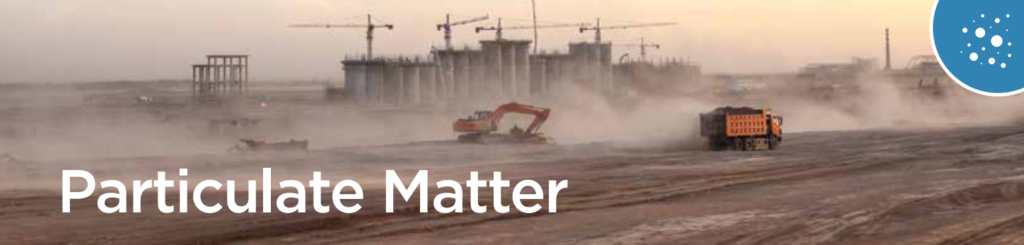
Why Measure It? Airborne particulate matter (PM) is categorized into different size fractions. Total Suspended Particulate (TSP) includes all particle sizes and is a good
Particulate Matter Read More »
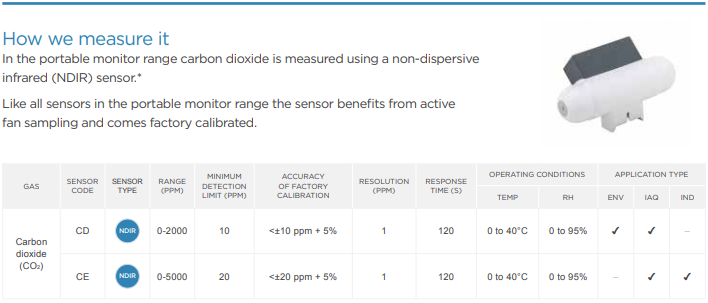
Why Measure It? Carbon dioxide (CO2) is a naturally occurring gas which acts as the primary source of carbon in life on Earth. It isalso
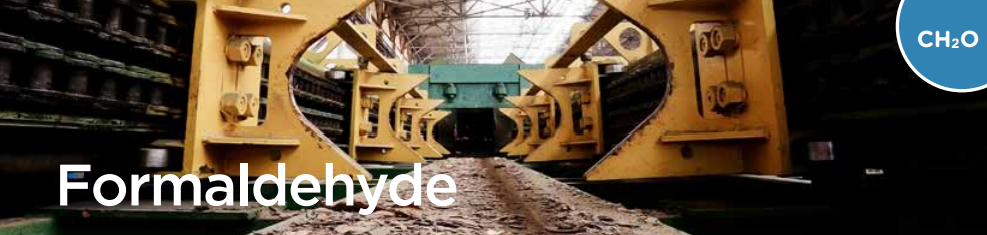
Why measure it? Formaldehyde gas (CH2O) is a flammable gas that enters the atmosphere through natural sources such as forest fires, by direct human activities,
Why measure it? Hydrogen (H2) is odorless, tasteless and colorless, so leaks are very hard to detect. Hydrogen can be hazardous to human safety as
Why measure it? Methane (CH4) is a non-toxic gas but extremely flammable and can form explosive mixtures with air. Its explosive limits are between 5%
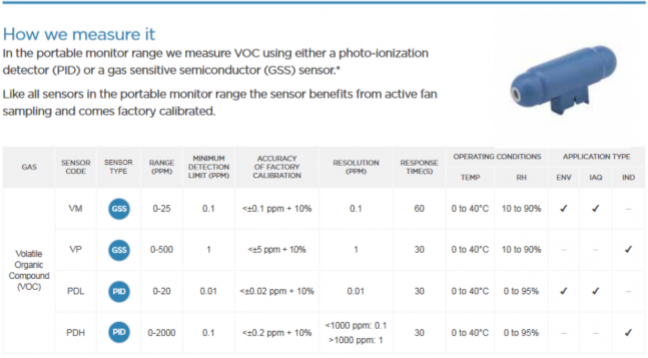
Why measure it? Volatile organic compounds (VOCs) are carbon containing gases and vapors such as gasoline fumes and solvents. They evaporate easily at ordinary room
Volatile Organic Compounds Read More »
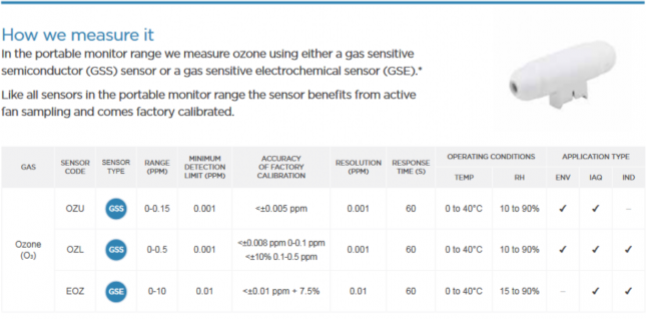
Why measure it? In the upper atmosphere ‘good’ ozone (O3) protects life on Earth from the sun’s ultraviolet rays. At ground level ‘bad’ ozone is
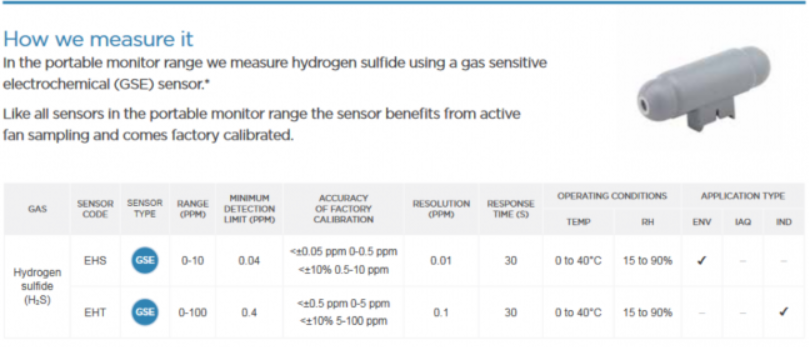
Why measure it? Hydrogen sulfide (H2S) is a colorless, toxic gas which has a very distinct odor even at very low concentrations. The odor is
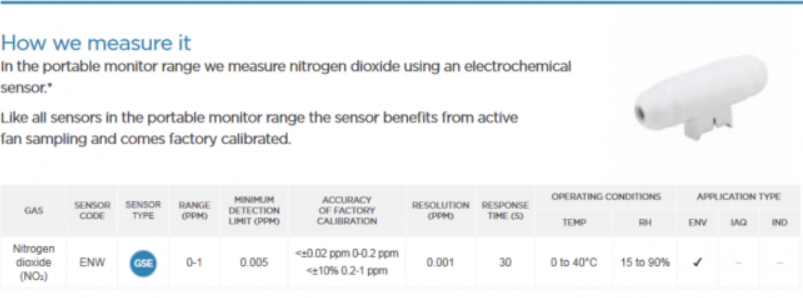
Why measure it? Inhalation of nitrogen dioxide (NO2) can impair lung function and increase susceptibility to infection, particularly in children. It can also aggravate asthma.