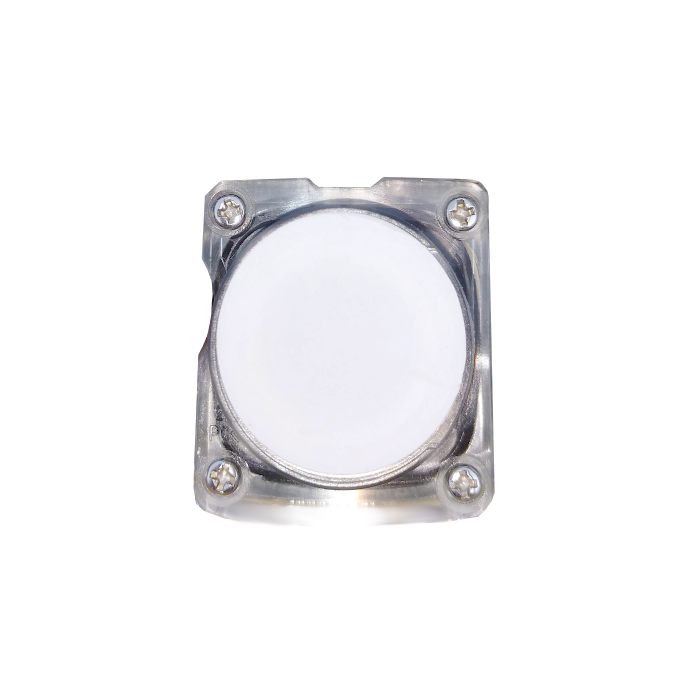
If you’re using a BW Solo Gas Detector for nitrogen dioxide (NO₂) monitoring, ensuring sensor accuracy is critical. The replacement NO₂ sensor for the BW Solo is designed to provide precise measurement of nitrogen dioxide levels from 0–100 ppm, making it ideal for industrial, environmental, or confined space applications.
Key Features
The NO₂ replacement sensor is part of Honeywell’s 1-Series sensor family—built for speed, reliability, and durability:
- Fast Response Time: Compact sensor size allows gas to diffuse quickly, enabling real-time tracking of gas level changes.
- Reliable Performance: Stable readings even in harsh or fluctuating environments.
- Long Sensor Life: Expected life of up to two years under normal operating conditions.
- Easy Installation: Replace the sensor without exposing internal electronics, reducing risk of damage or contamination.
- 1-Year Warranty: Confidence backed by Honeywell’s quality assurance.
How to Replace the NO₂ Sensor in a BW Solo
Follow these simple steps to replace your sensor safely:
- Power down the detector.
- Use the calibration cap to gently remove the front cover of the BW Solo.
- Peel off the sensor filter from the exposed sensor.
- With a Phillips head screwdriver, remove the four screws securing the sensor cover.
- Remove the old sensor and its cover.
- Push the top of the sensor with your thumb to release it from the sensor cover.
- Remove the o-ring from the sensor cover.
- Align the winged corner of the replacement sensor with the matching corner on the sensor cover.
- Press the cover over the sensor halfway (don’t secure it fully yet).
- Flip the unit and fit the o-ring over the sensor, ensuring all four corners are secure.
- Place the sensor and cover back into the Solo, lining up the groove on the alarm side.
- Replace the screws to secure the cover.
- Reattach the sensor filter.
- Snap the front cover of the detector back into place.
Why Replace Your Sensor?
Over time, even the best gas sensors degrade. A replacement ensures continued accuracy and safety, particularly in critical NO₂ monitoring applications such as:
- Vehicle maintenance facilities
- Tunnels and underground environments
- Power generation plants
- Industrial manufacturing
Replacing your sensor at the recommended interval (or sooner if readings drift) helps keep your BW Solo operating at peak performance.
You can find this product here: https://www.gas-sensing.com/bws1-pcb-d.html