Ethylene (C₂H₄) is a colorless, flammable gas used in manufacturing, chemical production, and produce storage. While valuable, it also creates safety and quality risks—making reliable monitoring essential in many industrial environments.
Ethylene Information
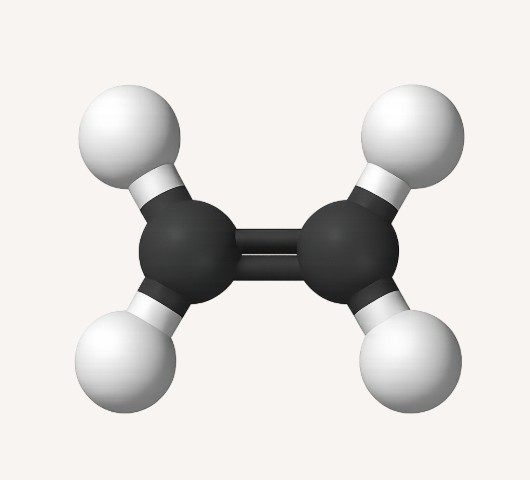
Ethylene is a hydrocarbon with the chemical formula C2H4. Here are some key points about ethylene:
- Chemical Formula: C2H4
- Appearance: Colorless gas
- Odor: Sweet odor
- Uses:
- Production of plastics, such as polyethylene
- Plant hormone to regulate fruit ripening
- Other industrial applications
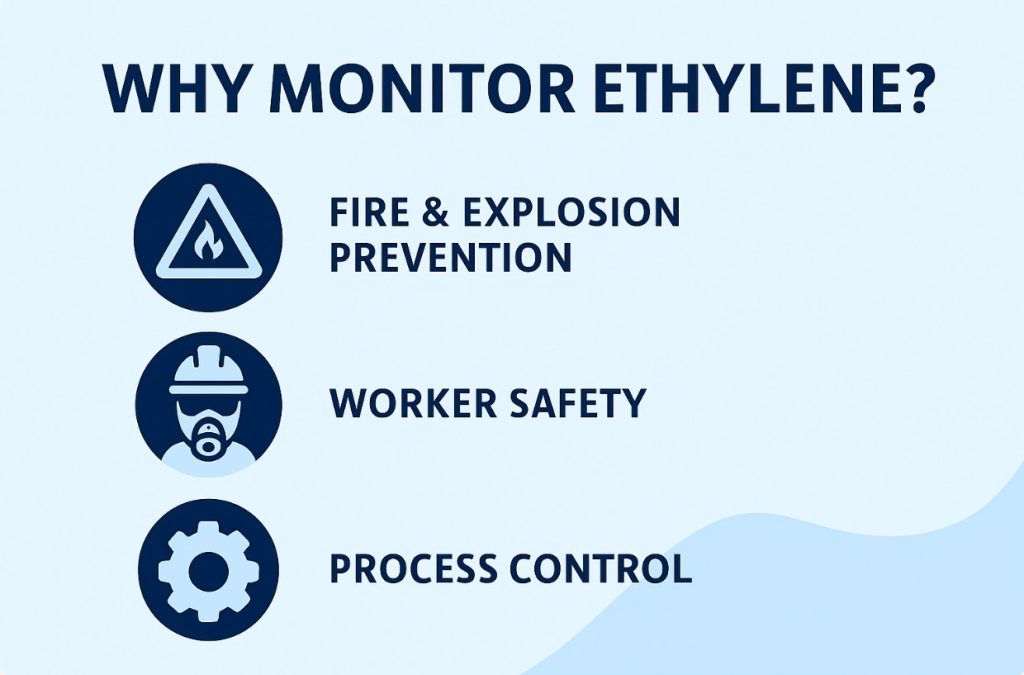
Why Monitor Ethylene?
- Fire & Explosion Prevention: Ethylene has a wide flammable range, so early detection is critical in plants, refineries, and processing facilities.
- Worker Safety: In confined spaces, ethylene can displace oxygen and pose an asphyxiation risk.
- Process Control: Storage rooms, greenhouses, and chemical lines rely on stable ethylene levels to maintain quality and prevent product loss.
How Ethylene Is Detected
Common technologies include electrochemical and infrared sensors, used in both portable and fixed systems. Routine calibration ensures accuracy and compliance.
Ethylene Detection with Gas Sensing
Gas Sensing offers:
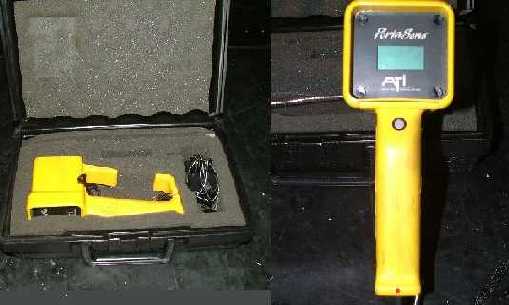
- Fixed and portable ethylene detectors
- Replacement ethylene sensors
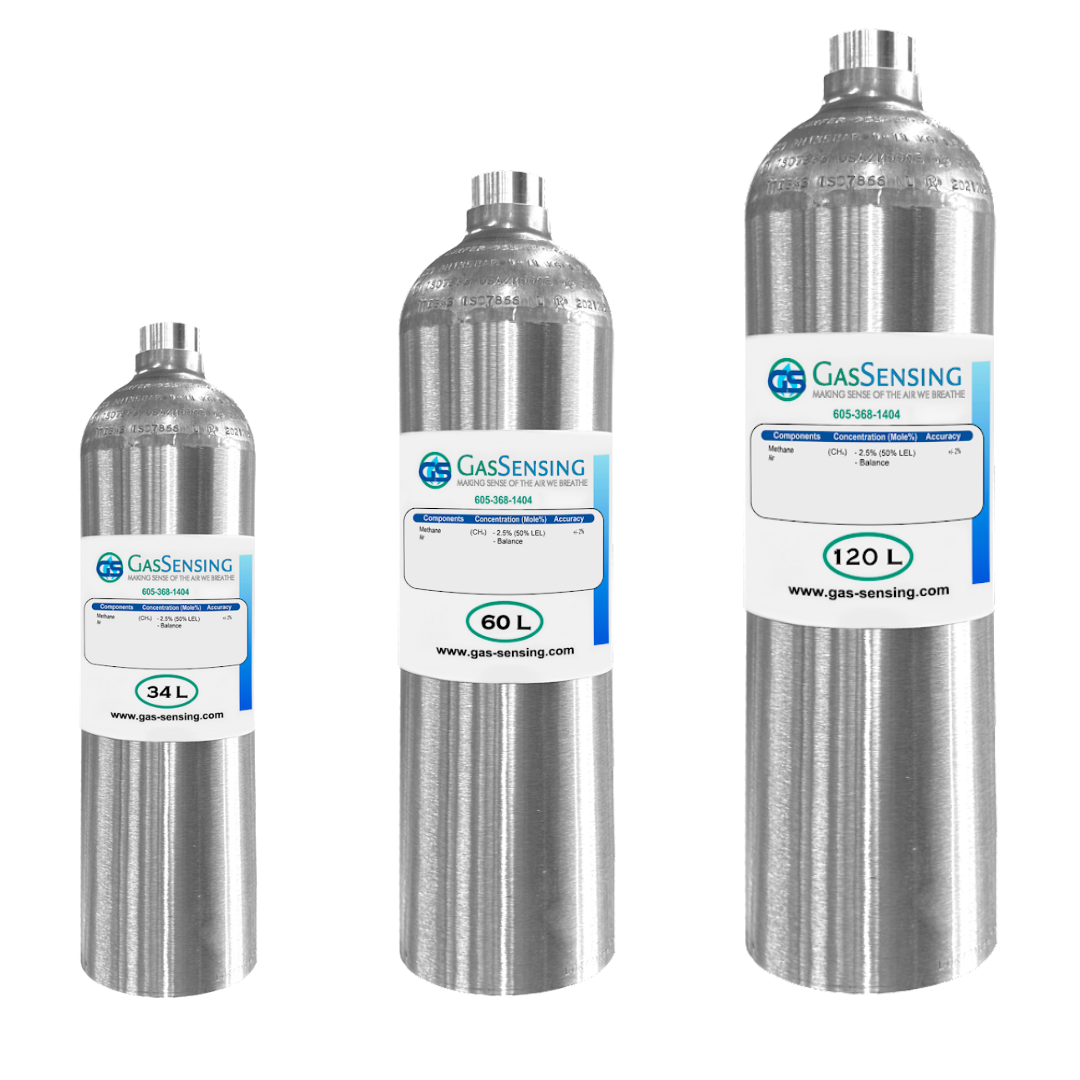
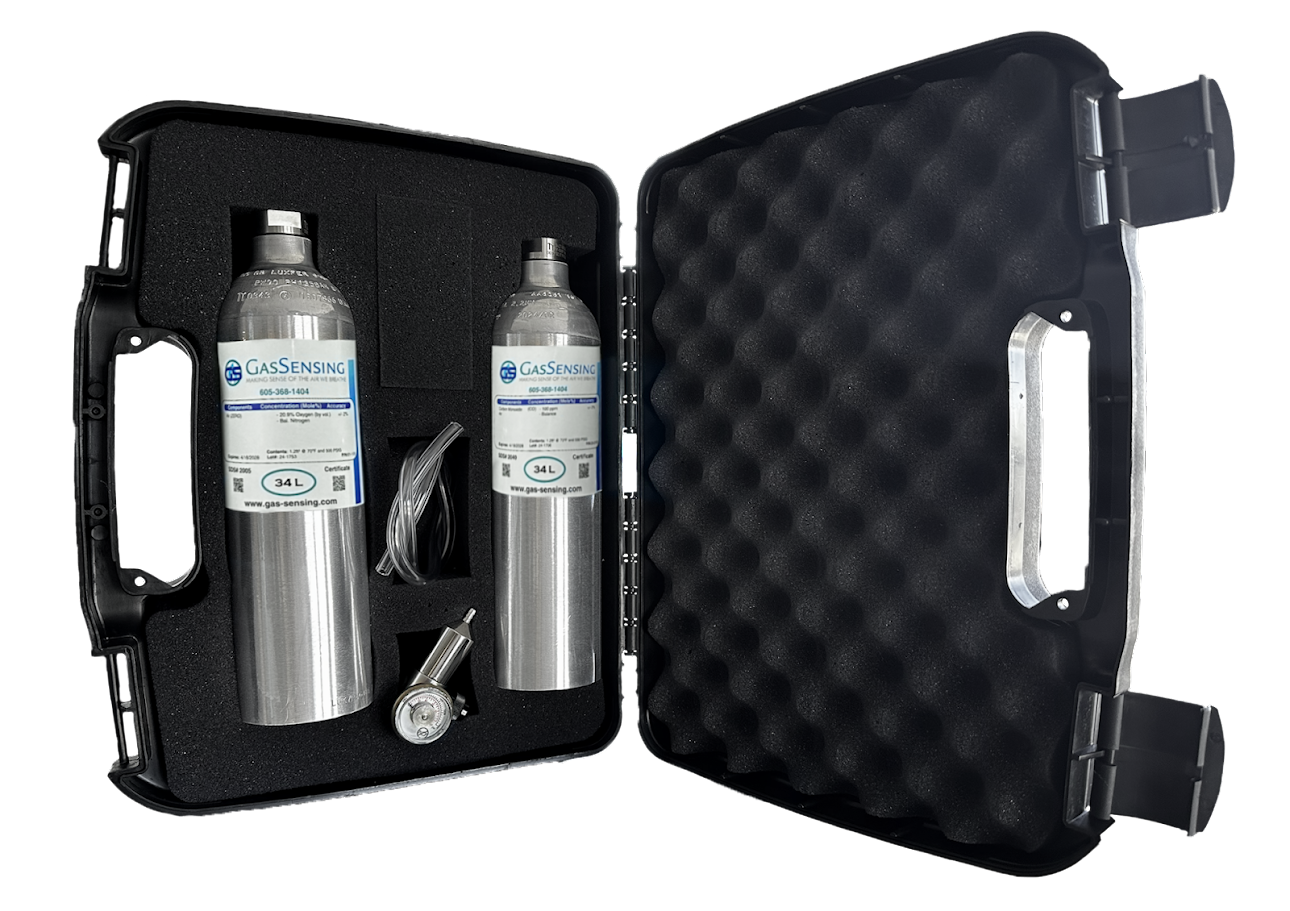
- Calibration gases and kits
- Expert support for system selection and maintenance
Reliable detection protects workers, prevents costly incidents, and keeps operations running smoothly.
Summary
Ethylene (C₂H₄) is a critical industrial gas and natural plant hormone. It is extremely flammable and poses asphyxiation risks in confined spaces. While not highly toxic, safe handling requires strict monitoring, ventilation, and adherence to OSHA/NIOSH exposure limits.