Hydrogen Bromide: A Powerful Industrial Gas You Rarely See
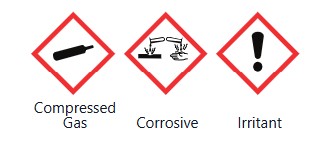
Hydrogen bromide (HBr) is a colorless gas with a sharp, irritating odor. When it contacts moisture in the air, it forms hydrobromic acid, a strong and highly corrosive acid that dissolves easily in water. This reaction can create visible fumes in humid conditions.
Key Characteristics
- Chemical Formula: HBr
- Appearance: Colorless gas, heavier than air
- Odor: Sharp and irritating
- Flammability: Not flammable, but highly reactive and corrosive
- Health Hazards: Toxic if inhaled; can irritate or burn the skin, eyes, and respiratory system
Because of these hazards, hydrogen bromide is not found in everyday home settings, but it plays an important role in industrial and scientific applications.


Where Is Hydrogen Bromide Used?
Although most people never encounter hydrogen bromide directly, it supports many products and technologies used daily.
Chemical Manufacturing
Hydrogen bromide is used to produce bromide compounds for water treatment, flame retardants, specialty chemicals, pharmaceuticals, and agricultural products.
Electronics and Semiconductors
In the electronics industry, hydrogen bromide is used in etching processes that help form the microscopic structures inside computer chips, smartphones, and other electronic devices.
Laboratory Research
In research and industrial labs, hydrogen bromide is used as a reactive reagent in organic synthesis and product development.
Safety and Monitoring
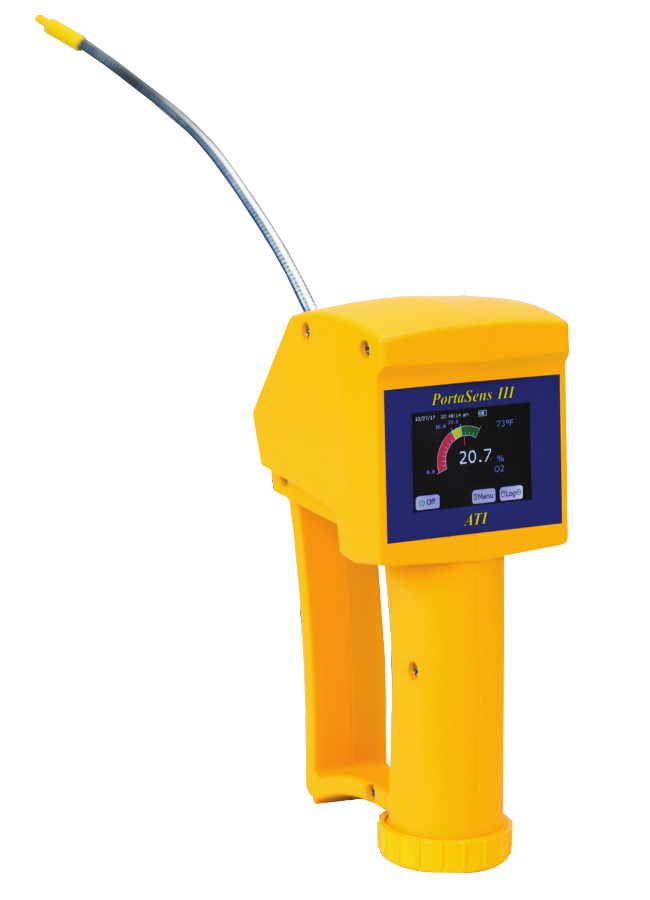
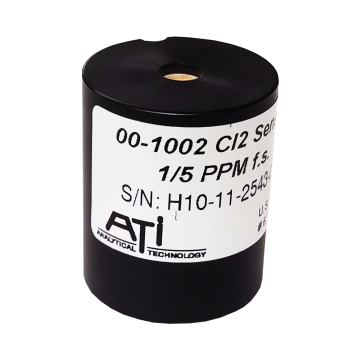
Hydrogen bromide is toxic and corrosive, and because it is heavier than air, it can collect in low-lying areas if released. Industrial facilities rely on continuous gas monitoring to detect leaks early and protect workers.
Interesting Fact
When hydrogen bromide gas comes into contact with moisture in the air, it quickly reacts to form hydrobromic acid, producing visible white fumes. These fumes serve as an early warning of a corrosive environment.
Even small amounts of this acid can irritate skin, eyes, and lungs, so the appearance of fumes signals that precautions are needed.