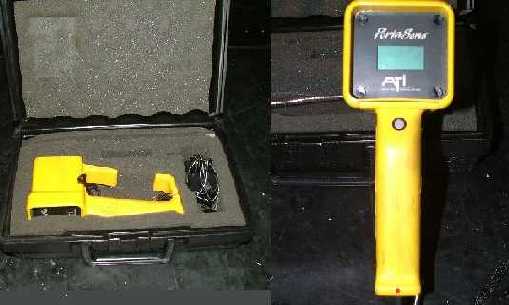
Nitrate (NO₃⁻) is the most oxidized form of nitrogen and a common contaminant in water supplies. It originates from agricultural runoff, septic system leaks, sewage discharge, and natural soil erosion. While essential in fertilizers, nitrate poses serious health risks when present in drinking water, especially for infants.
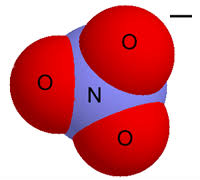
What Is Nitrate and Where Does It Come From?
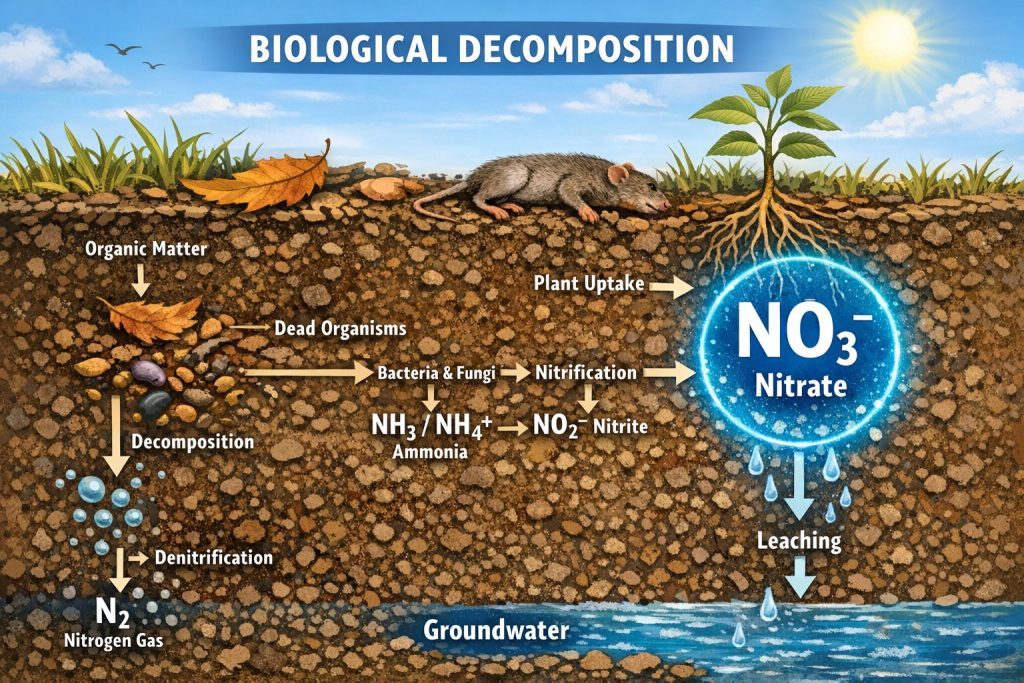
Nitrate is formed during the final stages of biological decomposition. In wastewater treatment and natural ecosystems, it’s a byproduct of nitrogen breakdown. Unfortunately, this process also means nitrate can seep into groundwater and surface water, particularly in farming regions where fertilizers are heavily used.
Health Risks of Nitrate Exposure
Infants under six months are especially vulnerable. Nitrate interferes with oxygen transport in the blood, leading to a condition known as blue-baby syndrome, which can be fatal if untreated. Adults may experience skin, eye, and mucous membrane irritation from direct contact.
To protect public health, the EPA sets a maximum contaminant level (MCL) of 10 mg/L for nitrate in drinking water. Regular testing is essential to ensure compliance and safety.
Measuring Nitrate Levels
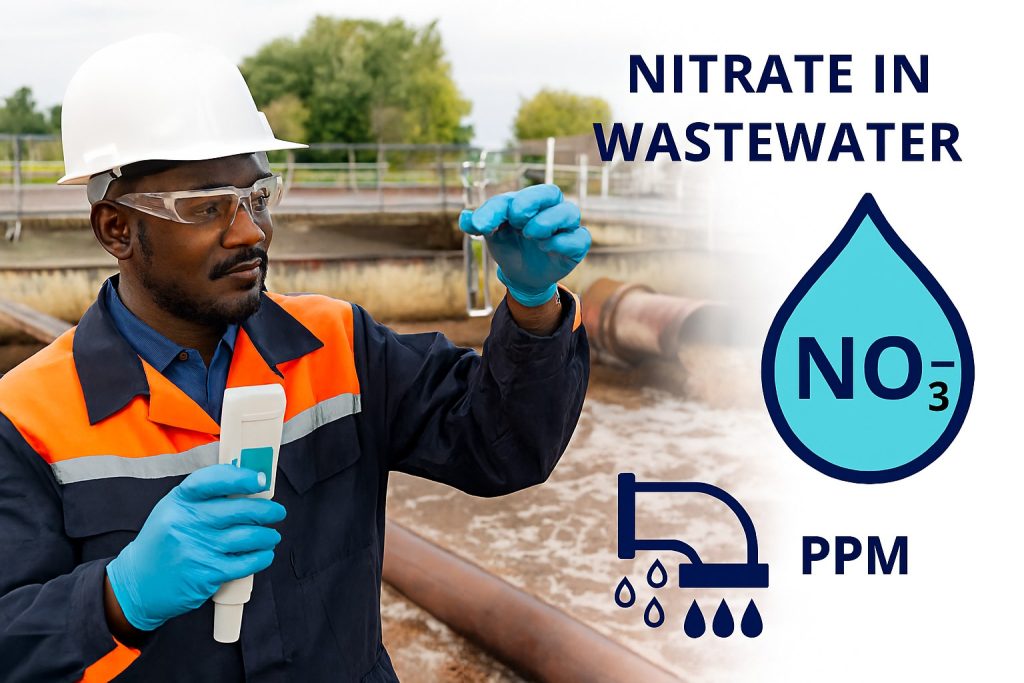
Nitrate concentration is measured in parts per million (ppm). At Gas-Sensing, we offer CHEMetrics kits that cover a wide range—from 0–1.5 ppm up to 0–2,700 ppm—making them suitable for everything from residential testing to industrial monitoring.
Dissolved Products from Gas Sensing
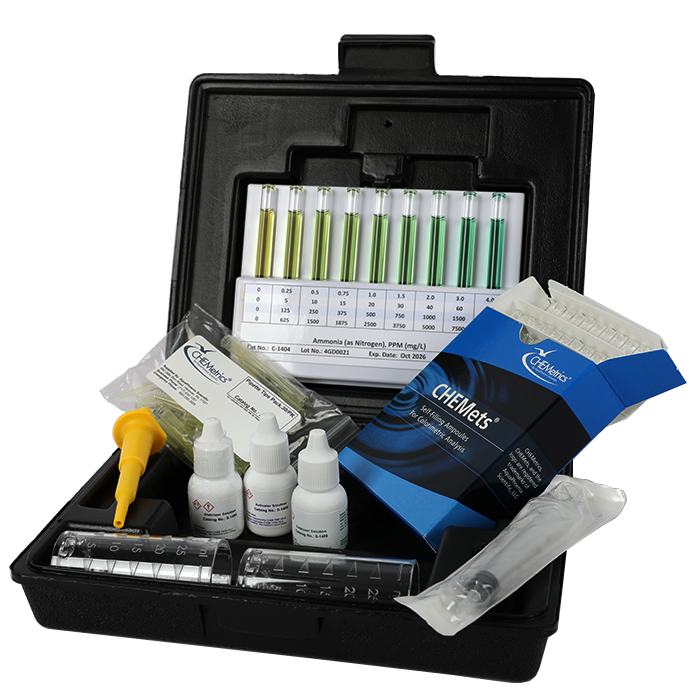
Range 0-20 ppm
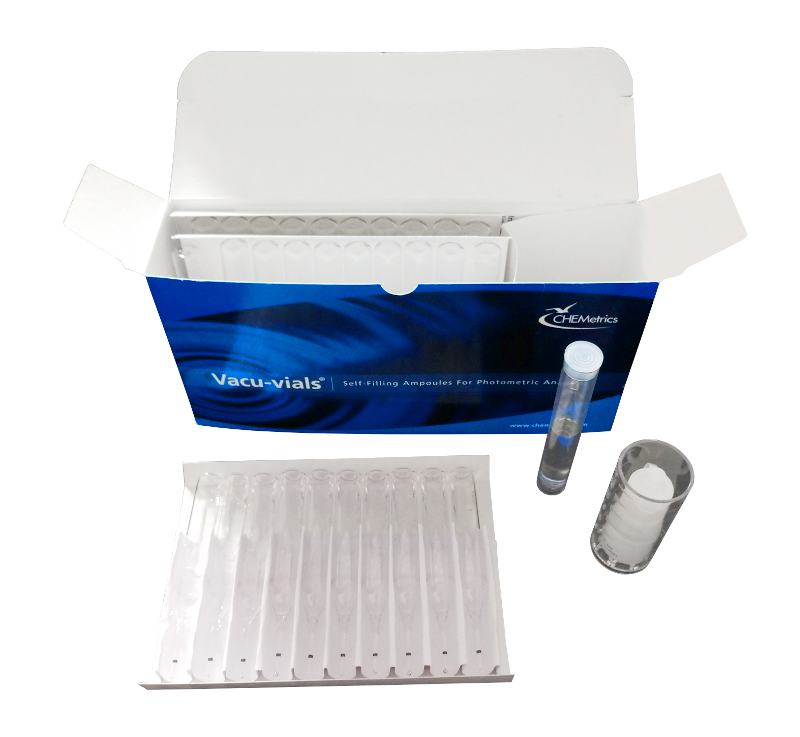
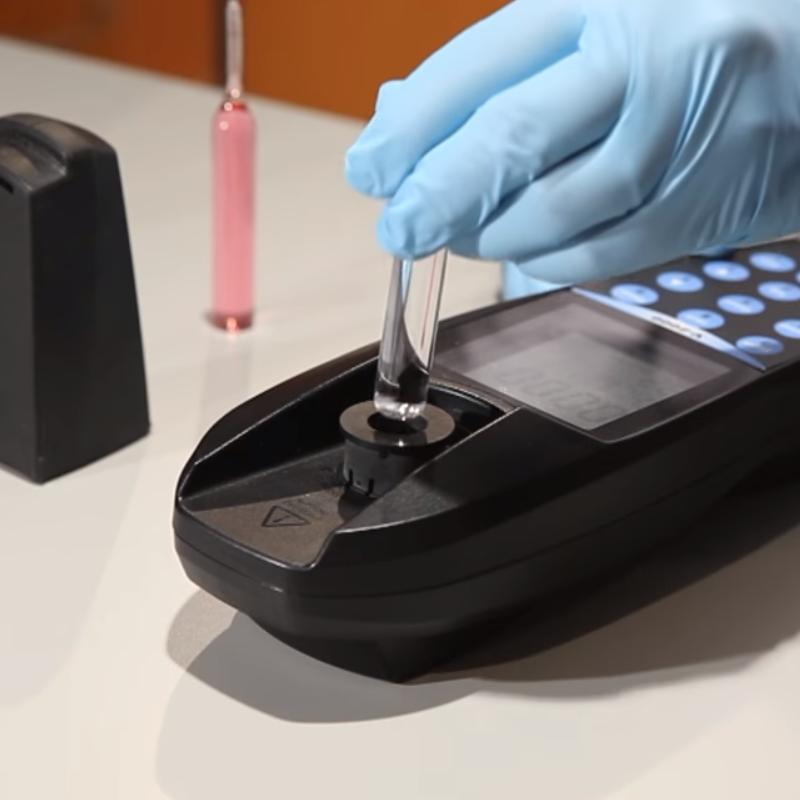
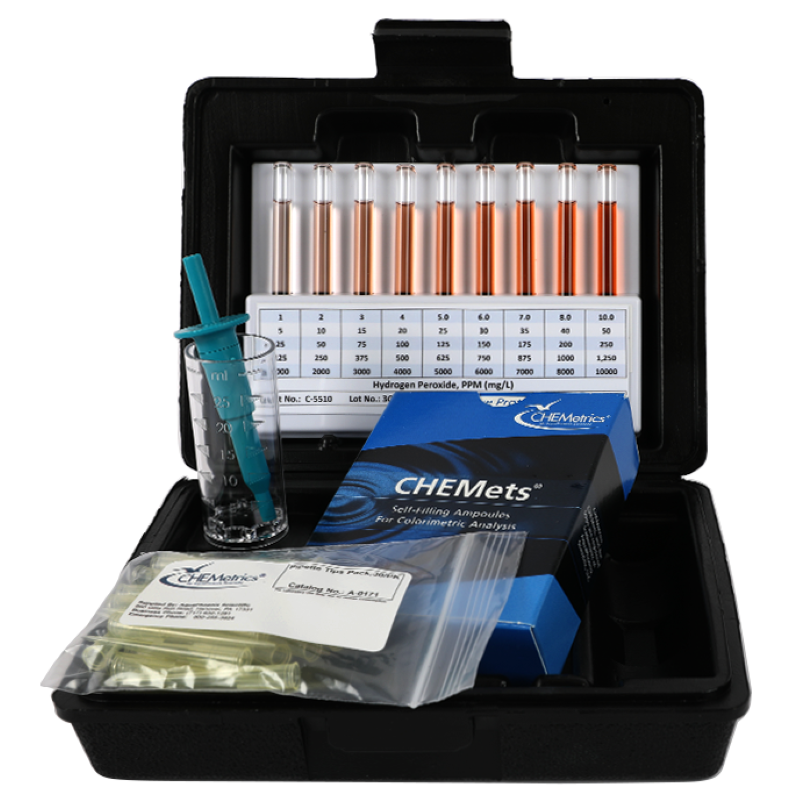
Range: 0-2000 ppm
Conclusion
Nitrate is both a vital agricultural tool and a potential health hazard. Monitoring its levels in water is critical, especially in areas with heavy fertilizer use. Explore our nitrate detection kits to keep your water safe and compliant. Visit Gas Sensing today and contact our team.