What is Hydrogen?
Hydrogen, also known as dihydrogen, is a colorless, odorless, nonmetallic, and tasteless gas with the chemical formula H₂. It is the lightest and most abundant element in the universe. Hydrogen is highly flammable and reacts with nearly every oxidizing element. Its reactivity makes it valuable in industrial processes but also presents significant safety hazards.
Hydrogen forms explosive gas/air mixtures, and exposure to fire or intense heat can cause containers of hydrogen to rupture violently and rocket. Despite its dangers, hydrogen remains an essential element in various industries due to its unique properties and versatility.
Industry Uses
Hydrogen is widely used in several industrial applications, including:
- Chemical Synthesis – Used in the production of ammonia, methanol, and other chemicals.
- Welding and Cutting – Used as a fuel for high-temperature cutting and welding operations.
- Petroleum Refining – Used to remove sulfur from fuels.
- Fuel Cells – Used as a clean energy source for vehicles and power generation.
Hydrogen Exposure and Health Risks
While hydrogen is not toxic, it presents several health and safety risks:
1. Suffocation Risk
- Hydrogen is an asphyxiant, meaning it can displace oxygen in the air.
- High concentrations of hydrogen reduce oxygen levels, leading to:
- Dizziness
- Unconsciousness
- Death due to suffocation
2. Frostbite Risk
- Direct contact with liquid hydrogen or cold hydrogen gas can cause severe frostbite due to its extremely low temperature.
3. Explosion and Fire Hazard
- Hydrogen is highly flammable and forms explosive mixtures with air.
- Leaks or accidental releases in confined spaces can lead to dangerous explosions if ignited.
Regulations
To ensure worker safety and compliance with industrial standards, hydrogen exposure is regulated by leading health and safety organizations:
| Limit/Level | Type | Organization |
|---|---|---|
| Simple Asphyxiate | TLV (Threshold Limit Value) | NIOSH (National Institute for Occupational Safety and Health) |
Sources: NIOSH
Measuring Hydrogen
Monitoring hydrogen levels is essential for maintaining safe working environments and preventing accidents. Hydrogen levels in the air are typically measured in parts per million (ppm).
Hydrogen Monitoring Solutions:
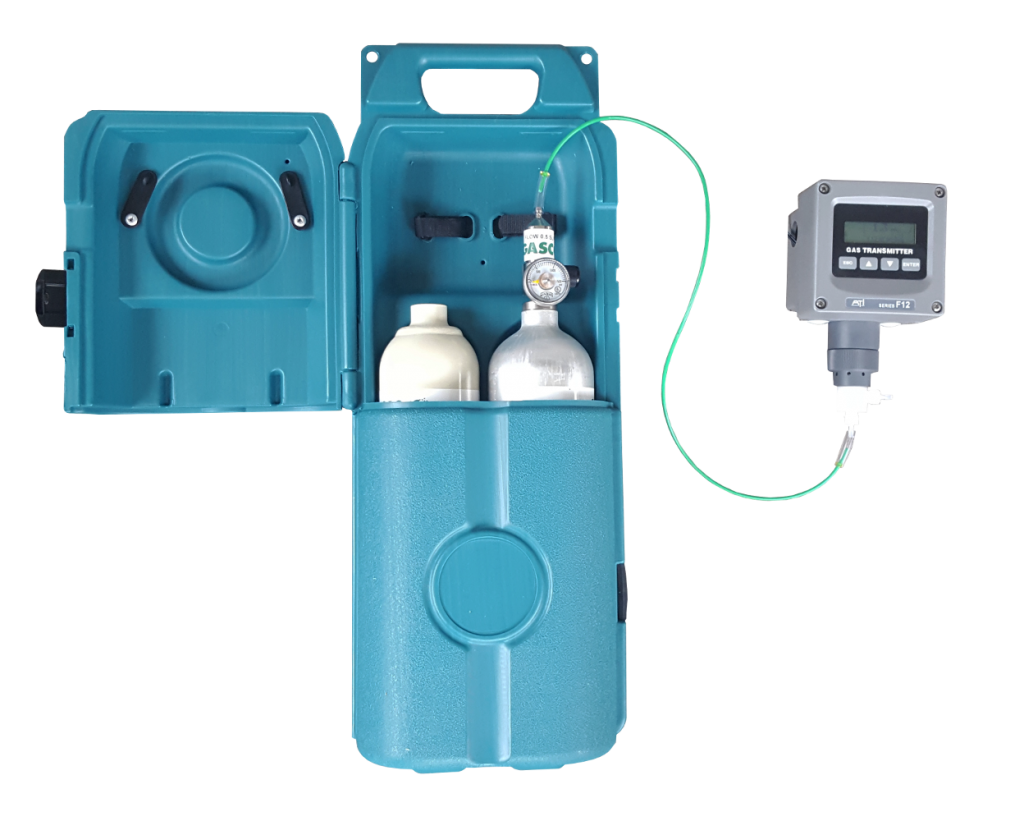
- Portable Monitors – Ideal for quick, on-site detection of hydrogen leaks.
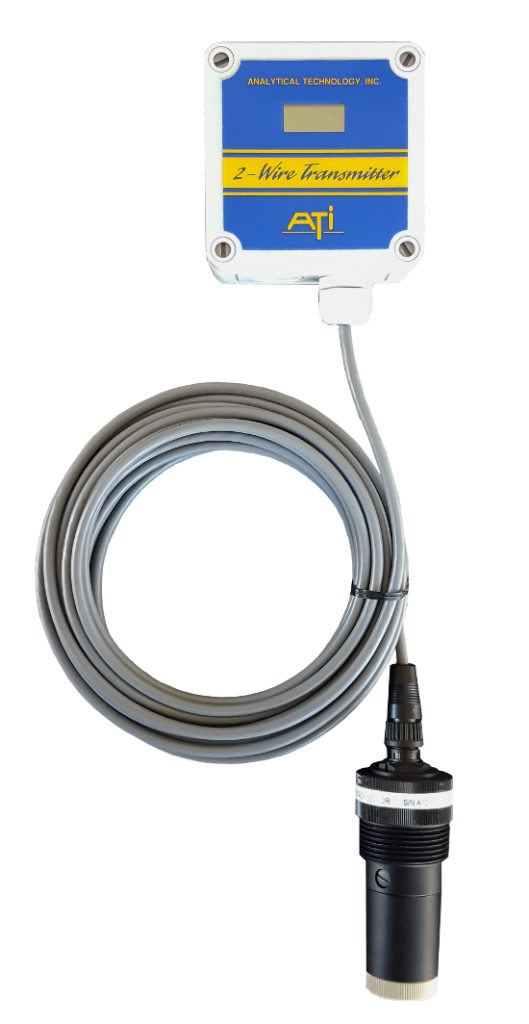
- Fixed Monitors – Provide continuous monitoring in industrial or laboratory settings.
- Digital Communication – Many hydrogen sensors and monitors are equipped with digital communication capabilities for real-time data collection and control.
We offer a wide range of hydrogen monitors and sensors for both portable and fixed installations. Explore our full range of hydrogen products to find the right solution for your needs.
Conclusion
Hydrogen is a versatile and essential element with a wide range of industrial applications. However, its flammability and asphyxiation risks make proper handling and monitoring critical for safety. Understanding the properties and hazards of hydrogen ensures that it can be used safely and effectively in any industrial setting.