Other Names
- Hydrosulfuric Acid
- Sulfane
- Dihydrogen Monosulfide
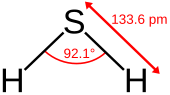
Chemical Formula: H₂S
CAS Number: 7783-06-4
Industry Uses
- Chemical Laboratories
- Metallurgy
Physical & Chemical Properties
- Vapor Pressure: 17.6 atm
- Water Solubility: Insoluble
- Flammability: Flammable
- Odor: Rotten Eggs
What is Hydrogen Sulfide?
Hydrogen Sulfide (H₂S) is a colorless, highly toxic, flammable gas with the distinct smell of rotten eggs. Although its odor is very pungent at first, it rapidly deadens the sense of smell, making it especially dangerous—exposure can occur without warning.
H₂S occurs naturally in crude petroleum, natural gas, volcanic emissions, and hot springs. It is also commonly known as “sewer gas” because it is produced during the anaerobic decomposition of organic matter. Biogas generators may release up to 1% hydrogen sulfide in gas streams, and any process that breaks down organic material without oxygen has the potential to create dangerously high levels.
Hydrogen sulfide is also produced in small amounts within the human body by bacteria in the mouth and gastrointestinal tract. However, in the environment, it is extremely toxic to aquatic life and causes long-lasting ecological harm.
If heated under pressure, H₂S can explode, further adding to its hazards.
Hydrogen Sulfide Exposure and Health Risks
Exposure to hydrogen sulfide can be life-threatening. It is both toxic and flammable, causing harmful effects even at low concentrations.
Health Effects
- Eyes & Mucous Membranes: Irritation, conjunctivitis, eye pain, photophobia, corneal damage, and excessive tearing.
- Respiratory System: Inflammation, coughing, difficulty breathing.
- Skin: Dermal burns on contact.
- Central Nervous System: Dizziness, headaches, fatigue, insomnia, and convulsions.
- Other Symptoms: Gastrointestinal disturbances.
Severe exposures can result in organ damage, nervous system failure, or death from respiratory paralysis.
Regulations and Exposure Limits
| Limit/Level | Type | Organization |
|---|---|---|
| 0.33 ppm | AEGL-1 (8 hrs) | EPA |
| 17 ppm | AEGL-2 (8 hrs) | EPA |
| 31 ppm | AEGL-3 (8 hrs) | EPA |
| 20 ppm | Ceiling (10 min) | OSHA |
| 10 ppm | Ceiling (10 min) | NIOSH |
Measuring Hydrogen Sulfide
Hydrogen sulfide concentration in the air is typically measured in parts per million (ppm). Reliable detection is critical due to the gas’s toxicity and odor-masking effect.
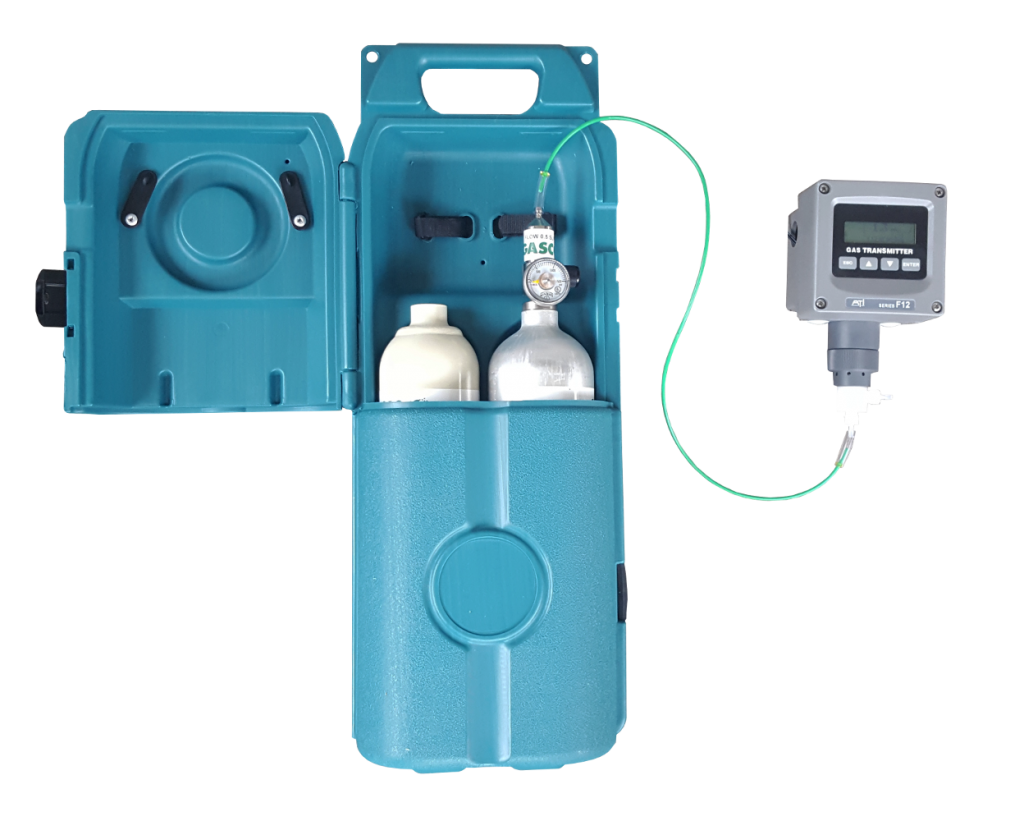
We carry a full line of portable and fixed hydrogen sulfide monitors and test kits, many with digital communication capabilities for easy data logging, monitoring, and control.
View our complete selection of Hydrogen Sulfide products here: https://www.gas-sensing.com/support/gas-information/hydrogen-sulfide-sensors.html
You can find more information here: https://www.gas-sensing.com/information/hydrogen_sulfide