Thanks to our farmers, we have a firm foundation of living. Agriculture is essential for everyday living, so it’s important that we protect their health as they create our future.
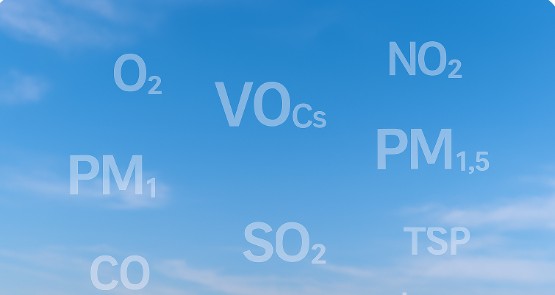
Throughout the year, agriculture becomes a major mover of air-quality challenges—particularly in fields, grain bins, livestock confinements, and storage areas. At Gas Sensing we emphasize that monitoring both gases and particulate matter (PM) is vital to protect worker health and ensure safe operations.
What is Particulate Matter (PM)?
“Particulate Matter” refers to tiny particles that are suspended in the air. These can come from soil dust, grain dust, fungal spores, broken plant material, machinery emissions, and more.
Of particular concern are:
- PM10 (particles ≤ 10 microns) — large enough to irritate airways and deposit in the upper lungs
- PM2.5 (particles ≤ 2.5 microns) — fine particles that can penetrate deep into the lungs and enter the bloodstream
Measuring PM2.5 and PM10 is recommended because they are “criteria pollutants” with known health impacts. Gas Sensing
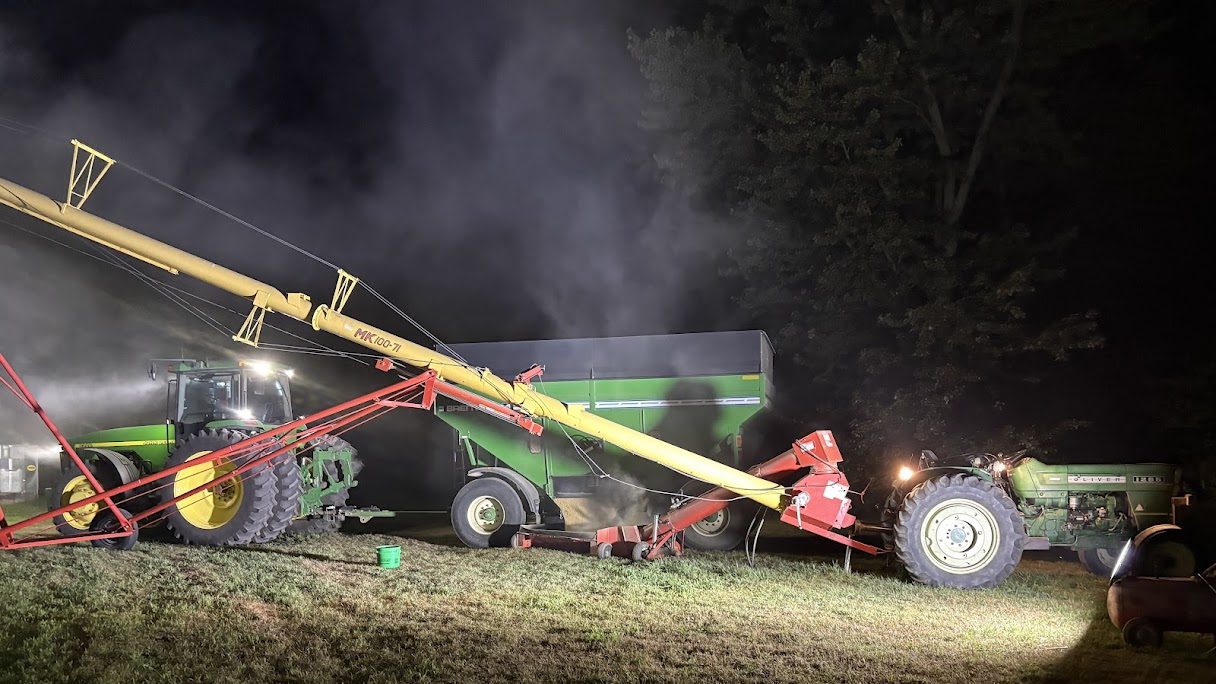
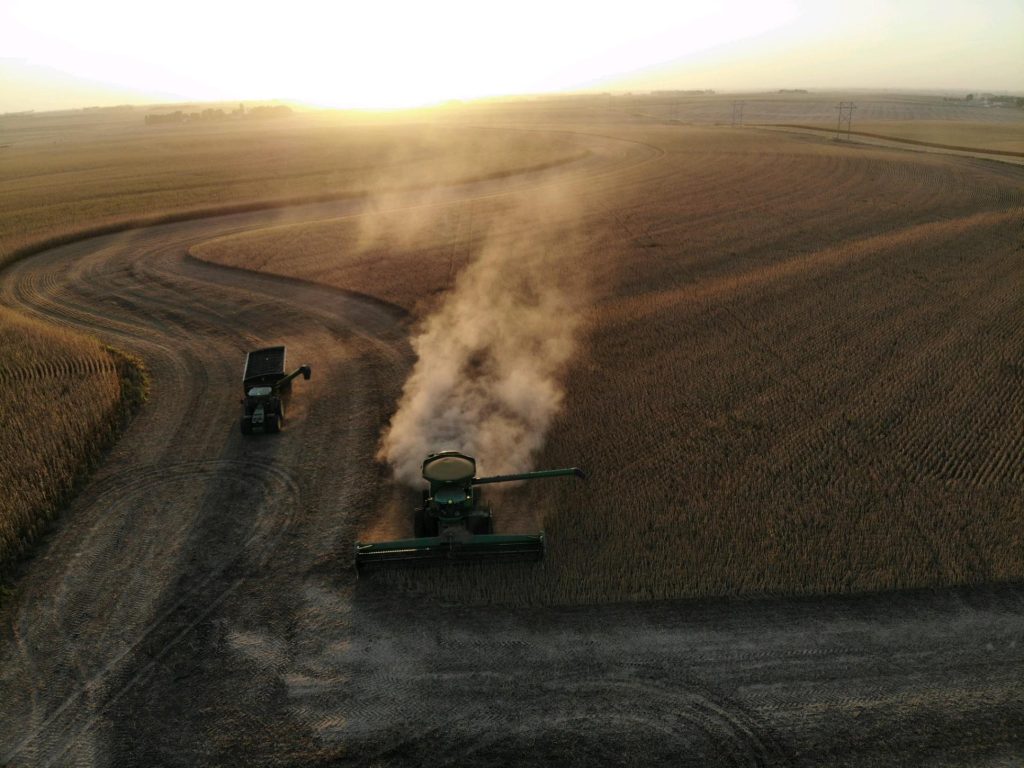
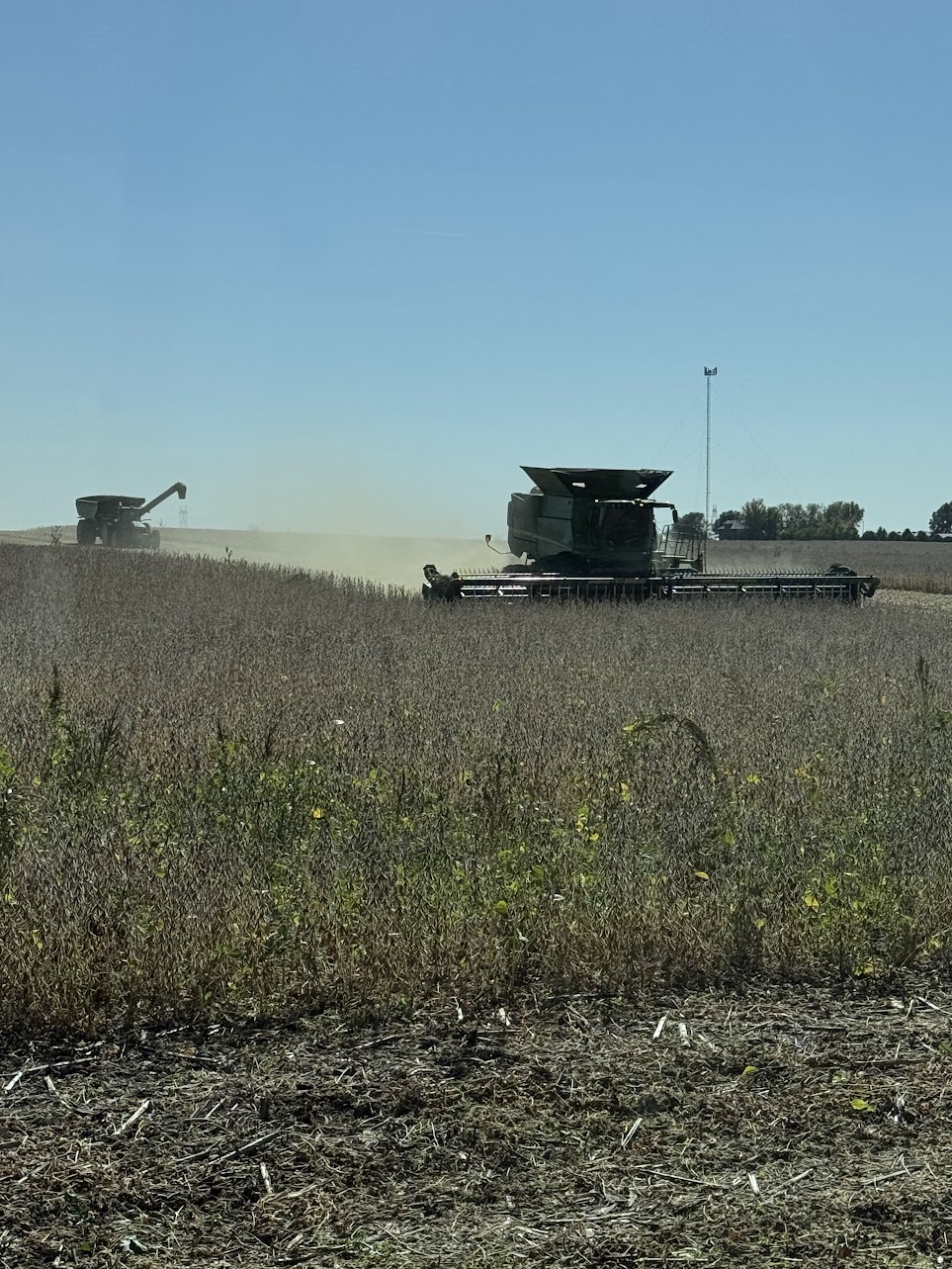
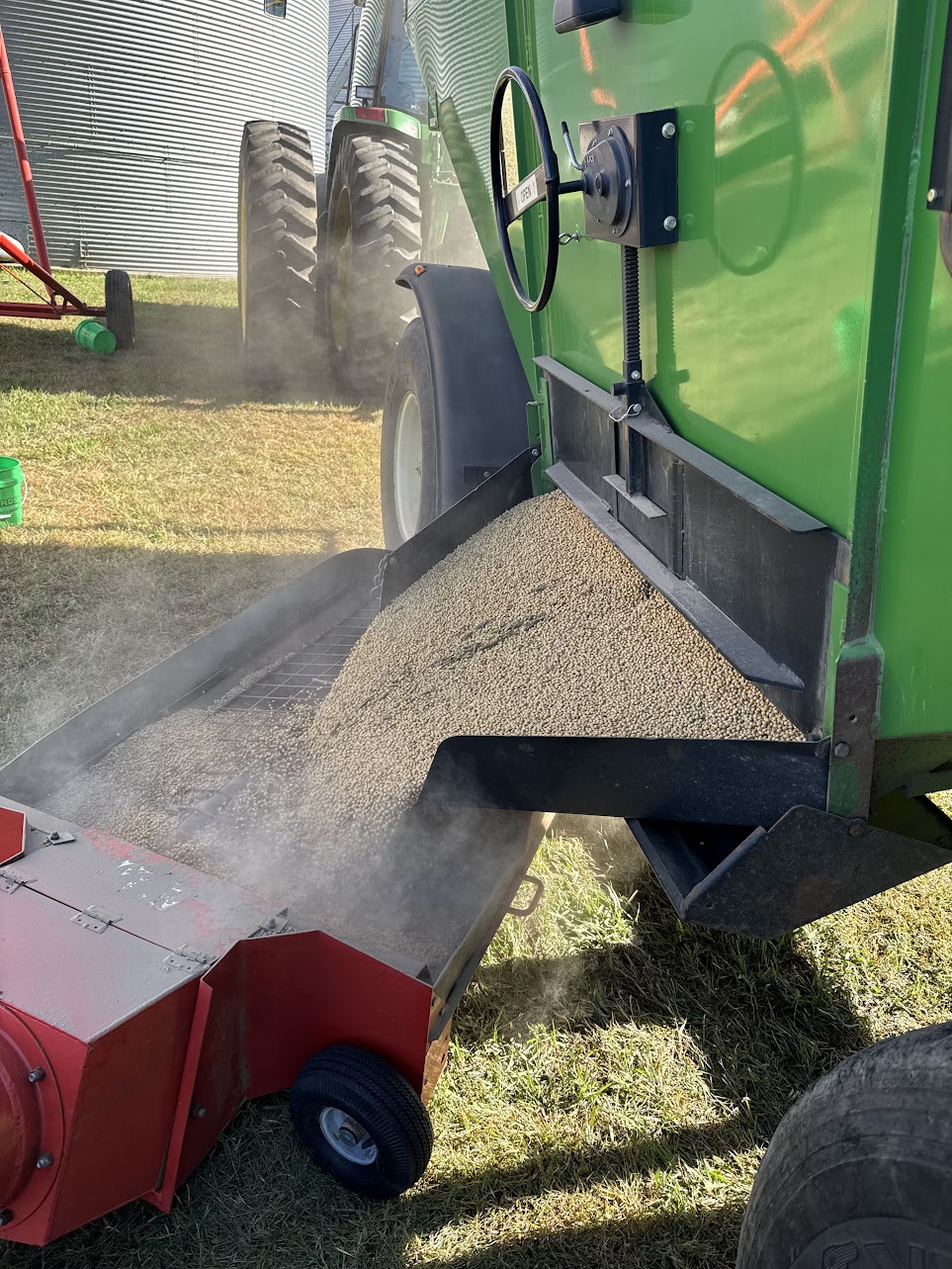
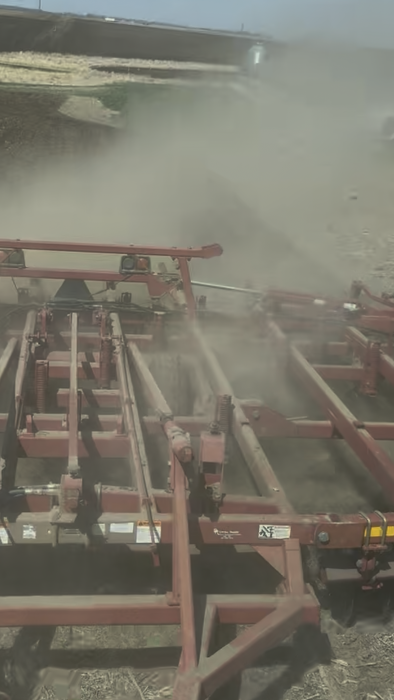
Featuring Images from Moser Family Farms Inc. Inwood, IA Est. 2014 – Jesse & Melissa Moser.
Why Agriculture & Harvest Time Raise PM Risks
- Harvesting, unloading, conveying, and bin cleaning all stir up dust.
- Grain dust often contains organic material, mold, and contaminants.
- Enclosed areas like grain bins trap dust and gases.
- Machinery emissions add an additional layer of air-quality risk.
Health Impacts of PM Exposure in Agriculture
- Short-term: coughing, throat irritation, asthma flare-ups, reduced visibility
- Long-term: increased risk of respiratory disease, cardiovascular strain, and organic-dust illnesses
How Gas Sensing Helps
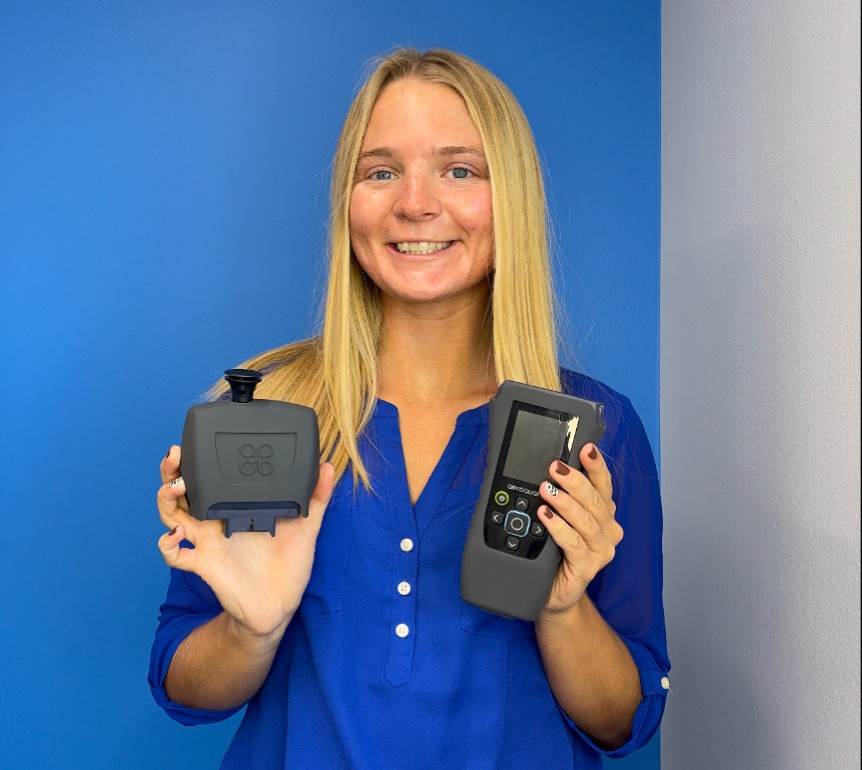
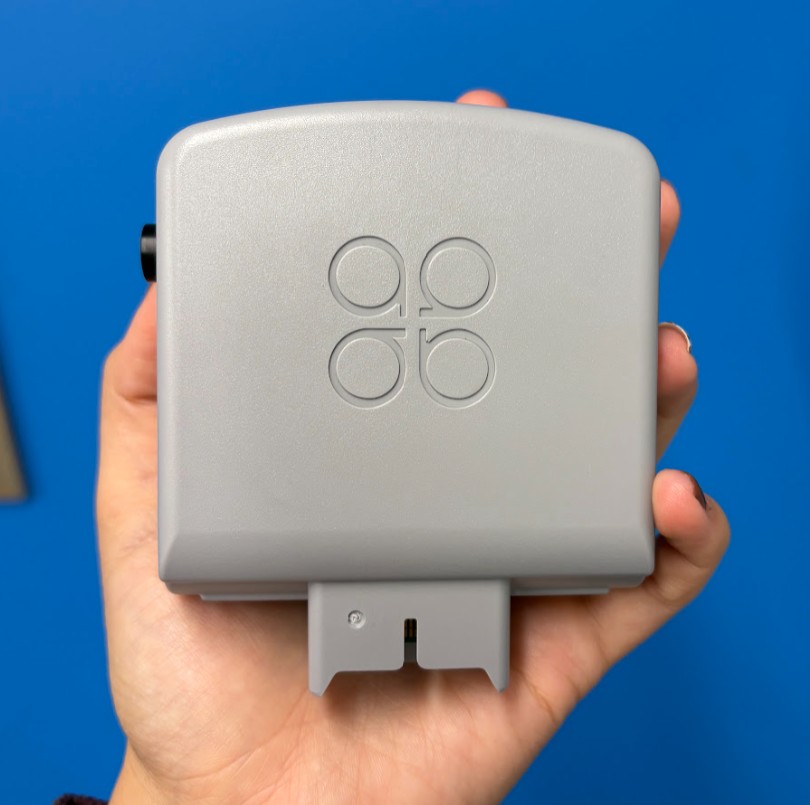
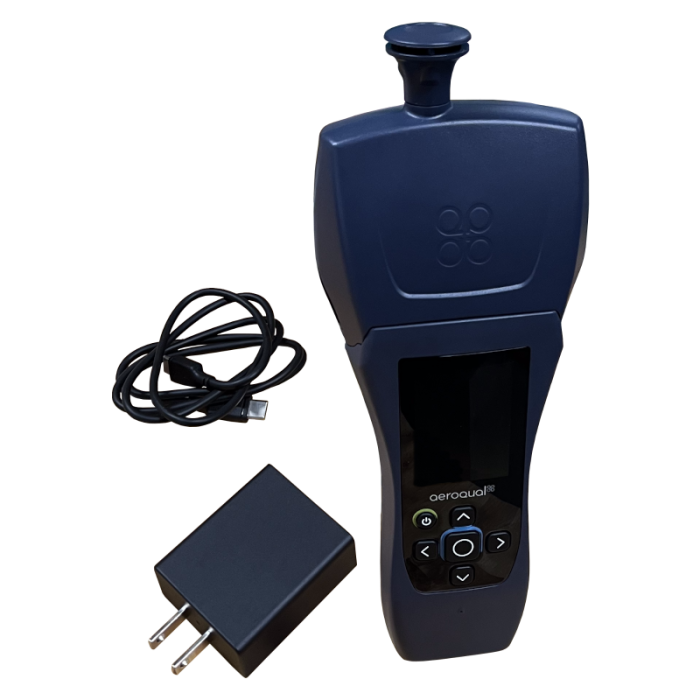
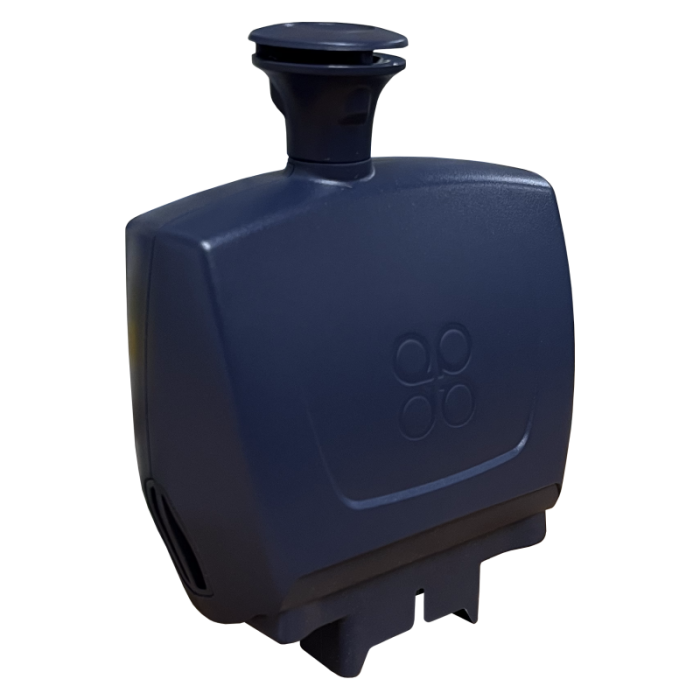
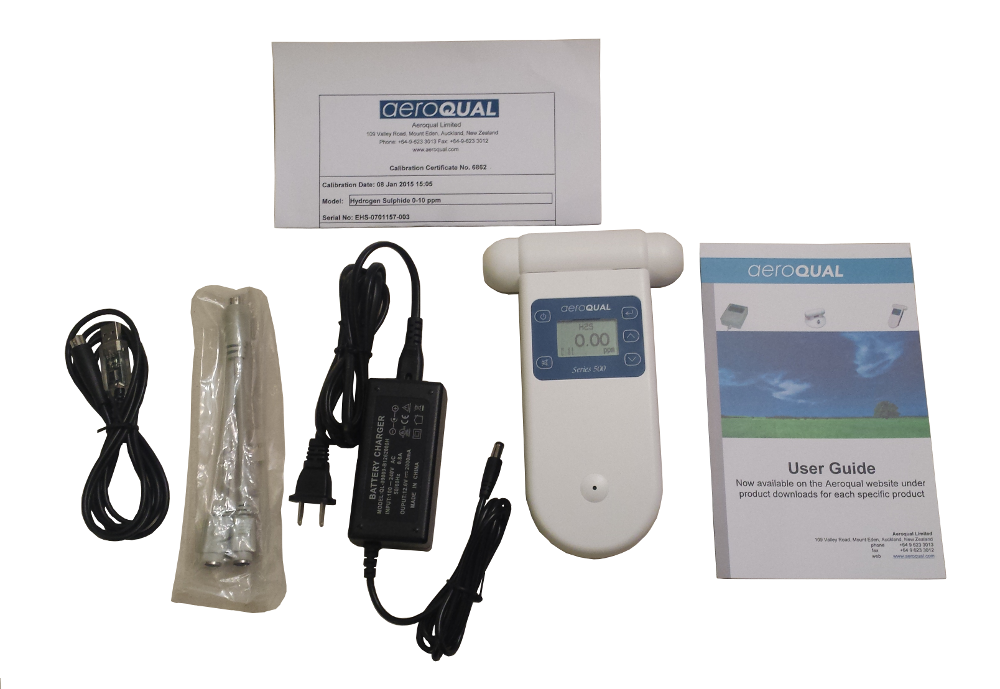
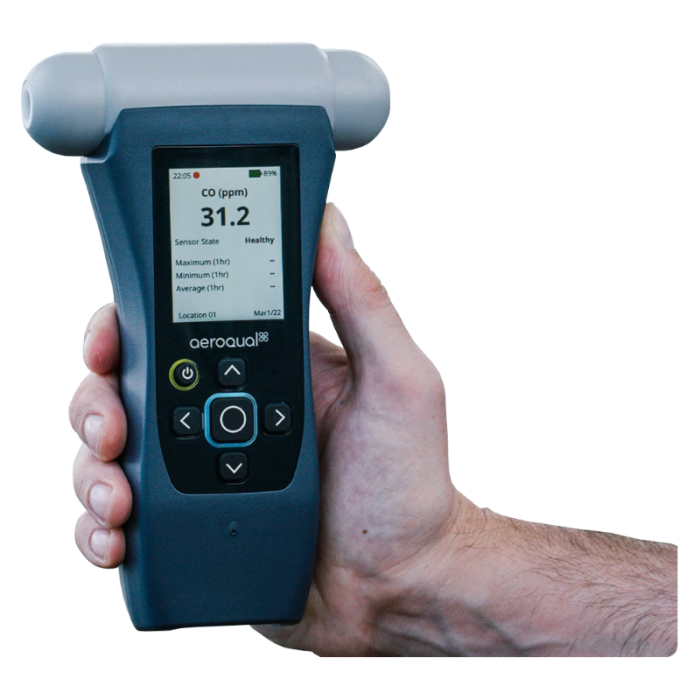
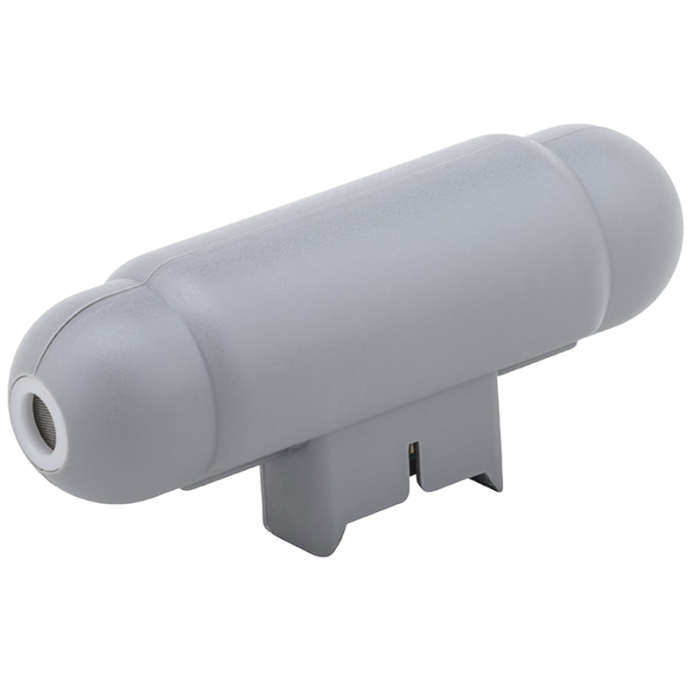
We provide monitors for both gases (CO, NO₂, ammonia) and particulate levels (PM2.5/PM10), giving operators real-time data and alerts. Portable units are ideal during harvest when conditions change rapidly, and data logging supports safety and compliance needs.
*Click any of the images below to view our Air quality monitors and sensors recommended for agriculture operations and more
Practical Steps for Agriculture Operators
- Install monitoring near high risk zones (grain bins, conveyors, unloading areas) to track dust (PM) and gases.
- Ventilate & extract: Ensure equipment moves dust away from workers; use filtered air or open pathways for air flow.
- Schedule and clean: Regularly remove settled dust in bins, conveyors and transfer zones so you reduce the source of airborne PM.
- Protect workers: Provide personal protective equipment (respirators, masks) when necessary—especially during high dust events.
- Use the data: Monitor PM trends—if you see recurring high spikes, investigate causes (machinery, process timing, ventilation) and fix them.
Final Thoughts
Agriculture isn’t just about crops—it’s about environment, air, safety, and human health. At Gas Sensing we see that combining gas monitoring with particulate (PM) tracking gives you the clearest path to safe operations during harvest season. If you’d like to explore dust/gas monitoring tools for your farm or harvest operation, our team is happy to help you build a practical plan.

Get in Touch
If you’re looking for gas detection solutions, reach out for an estimate or shipping inquiry:
- Phone: 605-368-1404
- Email: support@gas-sensing.com
- Website: www.gas-sensing.com