Precision Meets Portability — Monitor Peracetic Acid with the ATI D-16PAA
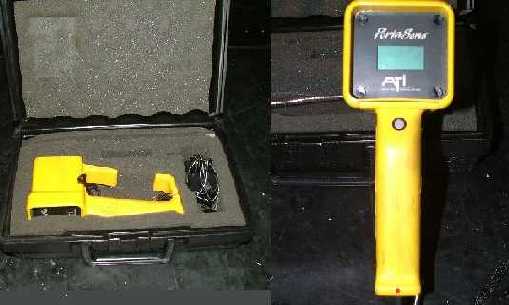
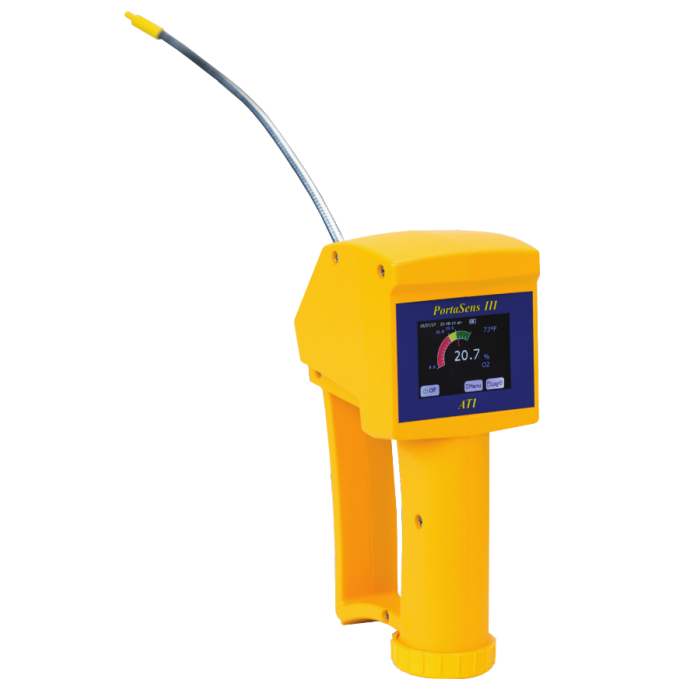
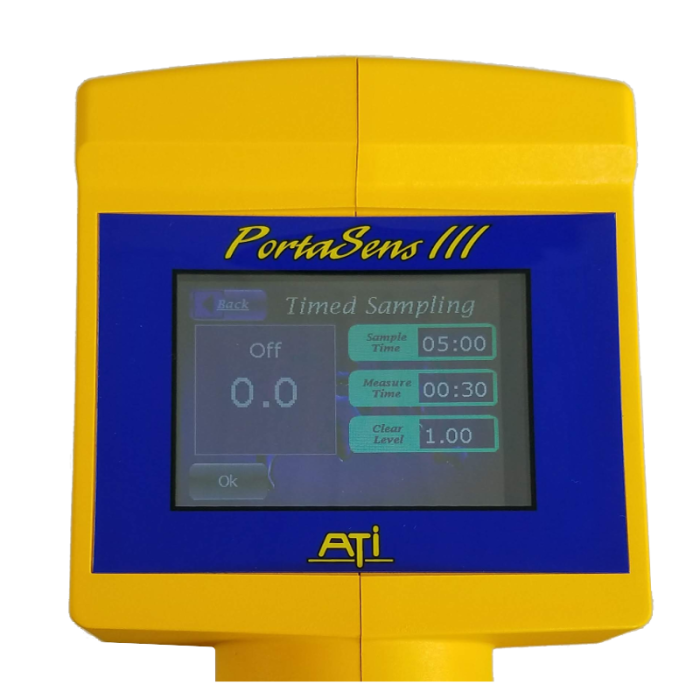
Meet the D-16 PortaSens III Portable Gas Detector
If you need a flexible, durable, and accurate gas detection system, the ATI D-16 PortaSens III should be at the top of your list.
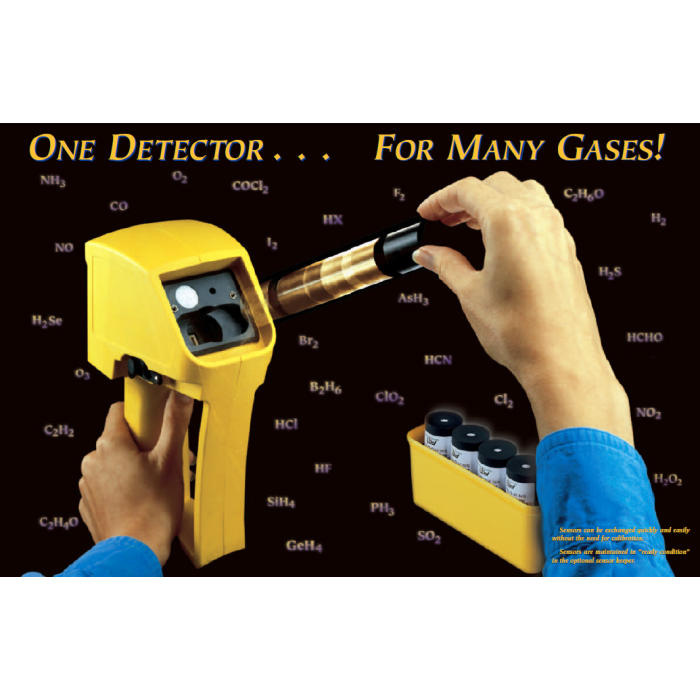
This innovative kit supports interchangeable smart sensor modules for over 30 gases, so one device can be adapted to different monitoring needs — from ammonia to peracetic acid (PAA).
Why Choose the PAA Sensor Option
Peracetic acid (PAA) is a powerful disinfectant used in food processing, medical, and industrial sanitization. While environmentally friendly, PAA vapor can be irritating or hazardous when airborne. That’s where this detector shines.
Top reasons to choose the PAA module:
- Flexibility – Swap sensor modules in under a minute.
- Precision – The PAA sensor comes in 0–2 ppm and 0–20 ppm ranges for accurate exposure monitoring.
- Ease of use – Plug-and-play “smart sensors” automatically load calibration data.
- Data logging – 4 GB internal memory for compliance and traceability. Audit-ready hygiene records.
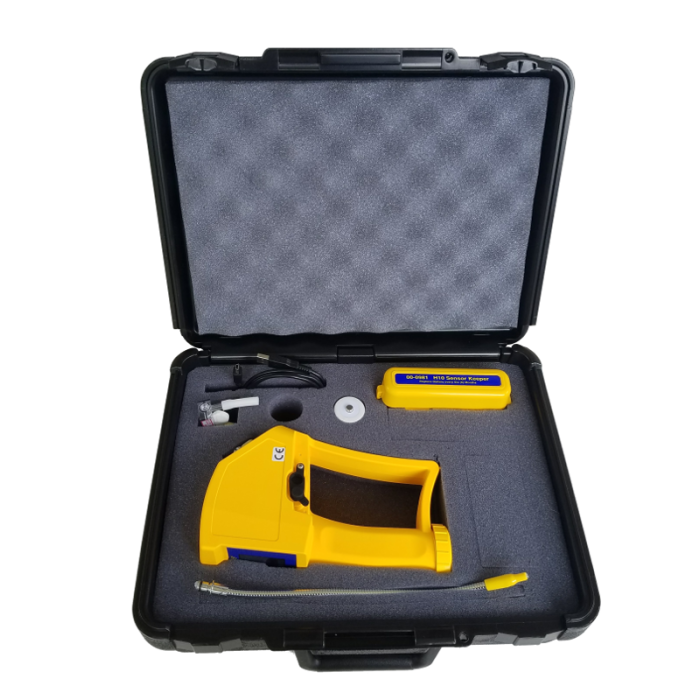
- Built-in pump and wand – Perfect for leak detection or confined-space testing.
The D-16’s portability makes it ideal for spot-checking, process verification, or emergency response anywhere PAA is used.
What You Need to Know Before Buying
Before investing, keep these factors in mind:
- Sensor compatibility – Ensure the correct PAA vapor module (0-2 ppm or 0-20 ppm) fits your use case.
- Calibration – Each module stores its own calibration data, reducing maintenance time.
- Environmental limits – Operates from –25 °C to +55 °C, non-condensing humidity.
- Sampling setup – Make sure hoses and wands are chemically compatible with oxidizing gases.
- Power – Runs ~10 hours on rechargeable or alkaline “D” cells.
These details ensure long-term accuracy and reliability for your monitoring program.
What’s Important About PAA Detection
Peracetic acid monitoring isn’t just about sensitivity — it’s about safety and selectivity.
Here’s why the right sensor matters:
- Selectivity: Quality PAA sensors minimize interference from hydrogen peroxide or ozone.
- Safety thresholds: Occupational limits for PAA are often below 1 ppm — you need fine resolution.
- Data integrity: Logged results are vital for audits and compliance documentation.
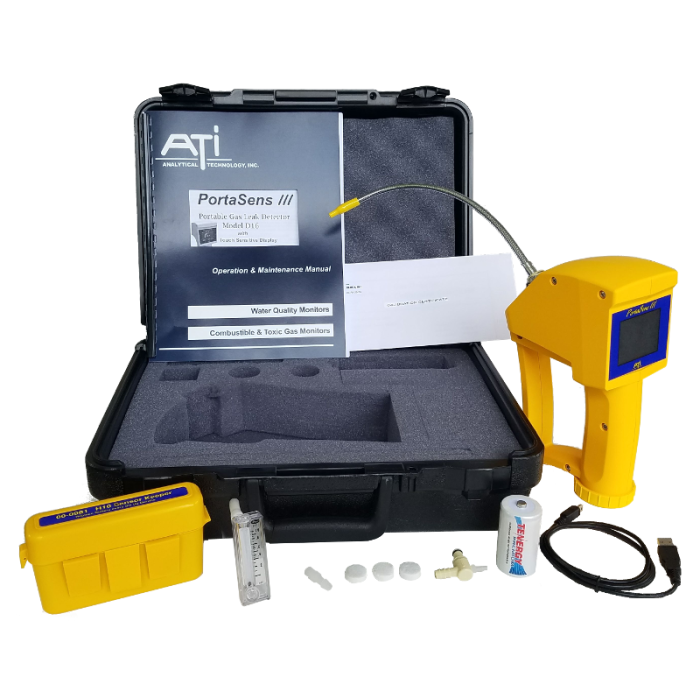
- Maintenance: Swap smart modules easily and store spares in the included sensor keeper.
The Takeaway
If your operation uses peracetic acid or handles multiple process gases, the ATI D-16 PortaSens III offers unmatched flexibility and long-term value.
Swap sensor modules, log your data, and maintain safety standards — all with one portable instrument.
It ensures:
- Workers aren’t exposed to irritant vapors
- Production areas are safe before restart
- Facilities stay compliant with safety standards