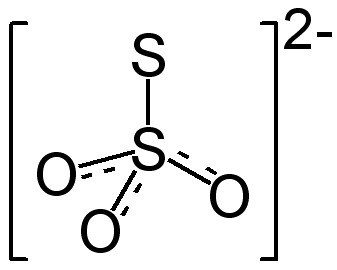
Thiosulfate (S₂O₃²⁻), also known as thiosulphate, is a versatile compound widely used in various industrial and chemical processes. Its reducing properties make it an essential agent in applications ranging from chlorine removal to bleaching and photography. Here’s a closer look at thiosulfate, its uses, health risks, and measurement methods.
What is Thiosulfate?
Thiosulfate is a powerful reducing agent primarily used to remove chlorine, or as an “antichlor,” in chemical processes. Here are its key industrial roles:
- Bleaching: Essential in the pulp, paper, and textile industries.
- Photography: Sodium thiosulfate (commonly known as “hypo”) is crucial for fixing black-and-white negatives and prints.
- Chemical Processing: Used in laboratories for various redox reactions.
Chemical Properties:
Thiosulfate ions often bond with sodium to form sodium thiosulfate (hyposulfite) or with ammonium to form ammonium thiosulfate, a common fixing salt. However, in acidic conditions, thiosulfate can be corrosive, causing pitting corrosion in metals such as steel and stainless steel.
Interestingly, thiosulfate occurs naturally in a rare mineral known as sidpietersite.
Health Risks of Thiosulfate Exposure
While thiosulfate is widely used, exposure can pose certain health risks:
- Skin and Eye Irritation: Direct contact may lead to irritation or, with prolonged exposure, dermatitis.
- Respiratory Distress: Inhalation of thiosulfate can irritate the respiratory tract and cause discomfort.
- Ingestion Risks: Consumption of thiosulfate is harmful and should be avoided.
Preventive Measures:
Proper safety protocols, including the use of gloves, goggles, and respiratory protection, are essential when handling thiosulfate.
Regulatory Information
The EPA currently does not impose specific restrictions on thiosulfate concentration in water. However, monitoring and controlling its levels in industrial applications remain a best practice for environmental and safety compliance.
Measuring Thiosulfate Levels
Dissolved thiosulfate concentration in water is typically measured in parts per million (ppm). Instrumental kits, such as those provided by CHEMetrics, are widely used for accurate measurement. These kits offer a straightforward method to monitor and manage thiosulfate levels in various applications.
Summary of Key Facts
| Property | Details |
|---|---|
| Other Names | Thiosulphate, Thiosulfate Ion |
| Chemical Formula | S₂O₃²⁻ |
| CAS Number | 14383-50-7 |
| Industry Uses | Bleaching, Photography, Chemical Processing |
| Health Risks | Irritation (skin, eyes, respiratory) |
| Measurement Units | Parts per million (ppm) |
Why Monitor Thiosulfate?
Understanding and controlling thiosulfate levels in industrial processes is crucial for:
- Optimizing efficiency in chlorine removal and bleaching.
- Ensuring safety by minimizing corrosive risks to equipment and exposure hazards to personnel.
- Maintaining environmental responsibility by avoiding unintended discharge.
For reliable measurement solutions, CHEMetrics kits provide the precision and ease needed for effective monitoring.
Need Assistance?
Whether you’re seeking measurement tools or expert advice on handling thiosulfate, our team is here to help. Contact us today to learn more about our solutions!
You can find more information here: https://www.gas-sensing.com/information/thiosulfate