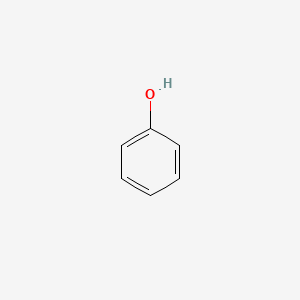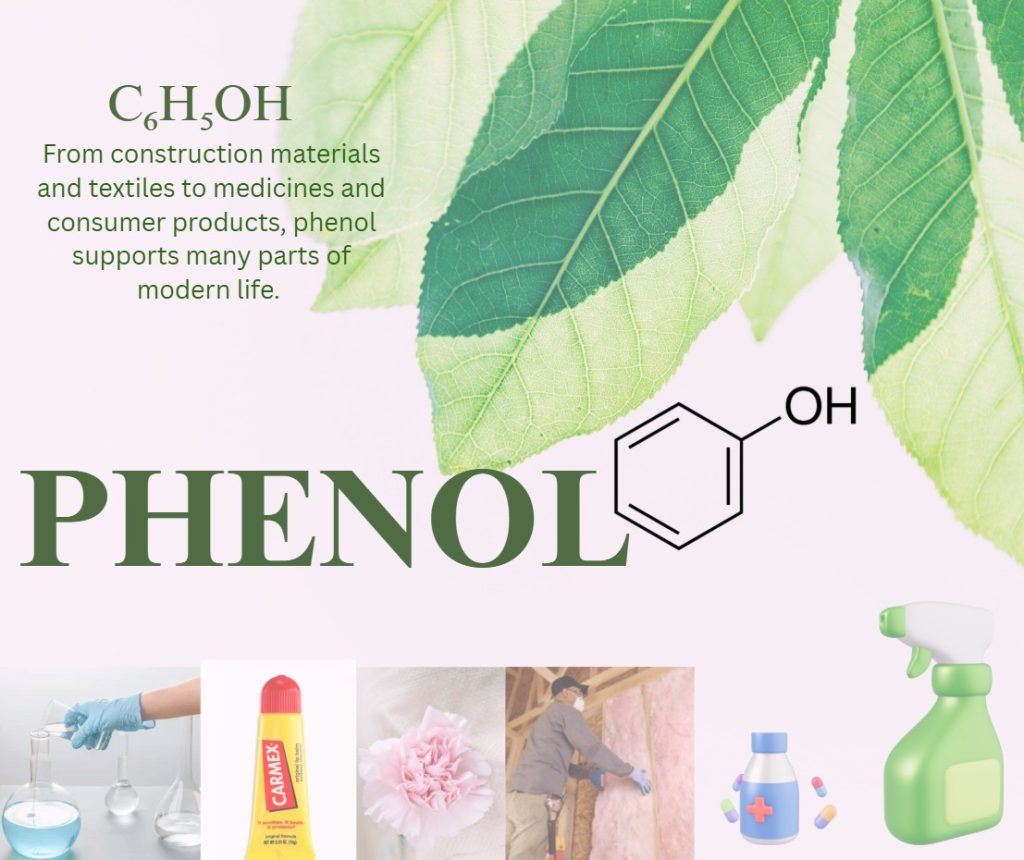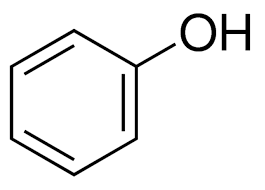
Phenol, also known as Carbolic Acid, Hydroxybenzene, or Phenic Acid, is an aromatic organic compound widely used across several industries. Its chemical formula is C₆H₆O (or C₆H₅OH), and it is identified by the CAS Number 108-95-2.
What is Phenol?
Phenol is a colorless to light pink crystalline solid that has a distinct, sweet odor. It is most commonly used as an ingredient in disinfectants and antiseptics, and also appears in some over-the-counter sore throat sprays for its numbing effect. Phenol has numerous industrial applications, particularly in pharmaceutical and chemical production, and is a building block in the manufacturing of:
- Plastics (especially polycarbonates and epoxies)
- Detergents
- Herbicides
- Nylon
- Pharmaceuticals, such as aspirin
Phenol is mainly derived from petroleum and is also present in areas with high motor traffic. In water, phenol can impart a foul taste and odor, especially when chlorinated, and its presence at high concentrations often signals contamination from industrial waste or effluents. It is particularly toxic to aquatic organisms and can cause long-lasting environmental harm.
Health Risks of Phenol Exposure
Phenol is highly toxic, particularly in solution form. Routes of exposure include inhalation, ingestion, and skin contact. Health hazards associated with phenol include:
- Skin and tissue irritation
- Severe burns or numbing upon contact
- Damage to internal organs, especially the liver and kidneys
- Potential for fatal outcomes with high or prolonged exposure
- Possible genetic effects and mutagenicity
Due to its ability to be absorbed through the skin, phenol presents a significant risk even in vapors or dilute solutions.
Regulatory Exposure Limits
To protect workers and the general population, several regulatory bodies have established exposure limits for phenol. Here’s a quick overview:
| Limit/Level | Type | Organization |
|---|---|---|
| 6.3 ppm | AEGL-1 (8 hrs) | EPA |
| 12 ppm | AEGL-2 (8 hrs) | EPA |
| Not Recommended | AEGL-3 (8 hrs) | EPA |
| 5 ppm | TWA (8 hrs) – Skin | OSHA |
| 5 ppm | TWA (8 hrs) – Skin | NIOSH |
| 15.6 ppm | Ceiling (15 min) – Skin | NIOSH |
These limits underscore phenol’s hazardous nature and the importance of proper protective equipment and monitoring in workplaces.
Measuring Phenol Levels in Water
Monitoring phenol levels, especially in water supplies, is critical for environmental and health safety. Dissolved phenol concentrations are typically measured in parts per million (ppm).
We offer instrumental testing kits from CHEMetrics designed to accurately detect phenol levels in a wide range, from as low as 0–1 ppm to as high as 0–13,000 ppm. These tools are essential for ensuring compliance with environmental standards and identifying contamination.
View all phenol detection products here
Conclusion
Phenol is an indispensable industrial chemical with both medical and commercial applications. However, it poses serious health and environmental risks. Understanding its properties, adhering to regulatory guidelines, and using accurate detection methods are key to safe handling and environmental stewardship.
For more information about phenol detection tools or to explore monitoring solutions, feel free to contact us.
You can find more information here: https://www.gas-sensing.com/information/phenols