Chemical Name: Silica
Other Names: Silicon Dioxide, Dioxosilane
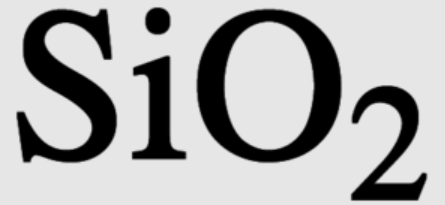
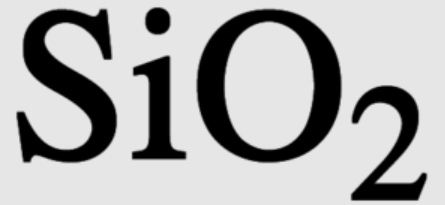
Chemical Formula: SiO₂
CAS Number: 7631-86-9
What is Silica?
Silica is a naturally occurring compound composed of silicon and oxygen—the two most abundant elements in the Earth’s crust. Chemically known as silicon dioxide (SiO₂), silica is clear, tasteless, and found in various forms such as quartz, sand, and even dissolved in natural water sources. While typically present at concentrations ranging from 1 to 30 mg/L, much higher levels can occur in brackish waters and industrial brines.
Due to its wide availability and stable chemical structure, silica is used across several industries, but it can also pose unique challenges in water systems.
Industrial Uses of Silica
Silica is a critical material in several industries, including:
- Glass Production: A primary ingredient in the manufacture of glass.
- Food, Cosmetic, and Pharmaceutical Additive: Used as an anti-caking agent, absorbent, or bulking agent in various products.
- Water Treatment & Steam Systems: Although not intentionally added, its presence in water systems is monitored closely due to its tendency to form scale.
Health Risks of Silica Exposure
Silica is classified as an irritant. While its dissolved form in water generally poses minimal danger, concentrated exposure—particularly to airborne silica dust—can result in health issues:
- Short-Term Exposure: Can cause temporary inflammation and irritation to the eyes, skin, and respiratory tract.
- Long-Term or Repeated Exposure: May lead to more serious effects, including organ damage and immunological stress. In industrial settings, prolonged inhalation of silica dust has been linked to silicosis and other respiratory illnesses.
Proper handling, especially in powdered or airborne form, is essential for workplace safety.
Regulatory Overview
Despite its widespread presence and potential to cause scale formation in industrial systems, there are currently no federal or international regulations governing silica concentration in drinking water. However, facilities such as power plants and steam-generating systems often monitor and control silica levels to prevent scaling and equipment damage.
Measuring Silica in Water
Silica concentrations in water are typically measured in parts per million (ppm). Accurate testing is important for maintaining the health of water systems and ensuring efficiency in industrial operations.
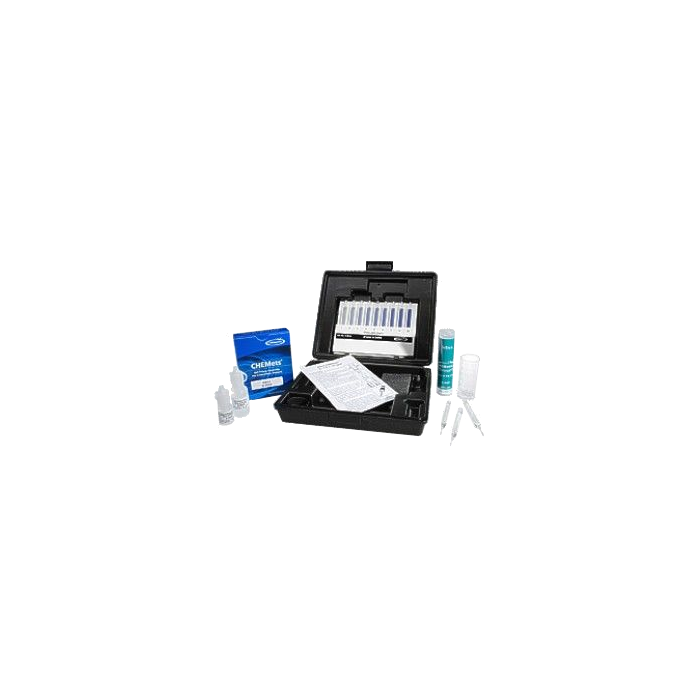
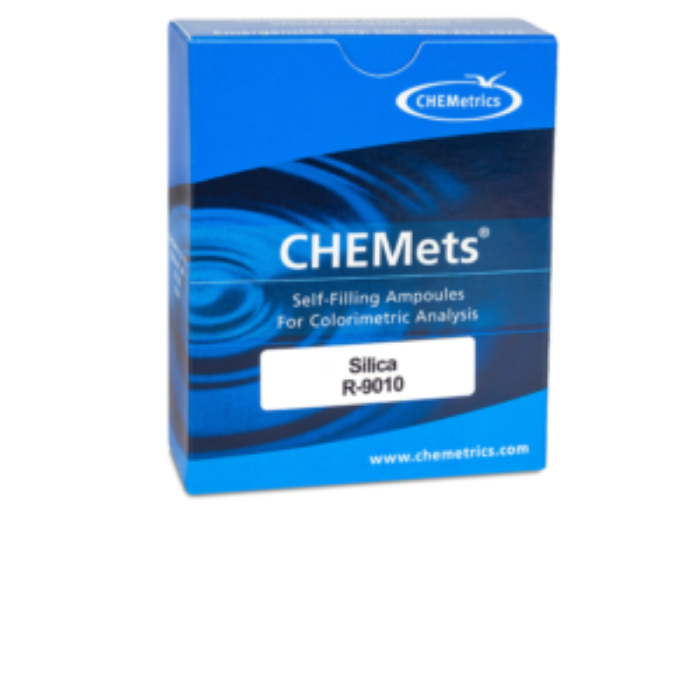
We offer a range of instrumental kits from CHEMetrics designed to detect and quantify dissolved silica in water. These easy-to-use kits are ideal for laboratory and field testing alike.
Explore our full selection of Silica testing products HERE.
Why Monitoring Silica Matters
Whether you’re managing a boiler system, conducting water quality research, or ensuring food and pharmaceutical standards, understanding and monitoring silica concentrations is essential. With the right tools, you can prevent costly scale buildup, protect your equipment, and maintain safe operational standards.
For questions about testing silica or choosing the right detection kit, our team is here to help.
You can find more information here: https://www.gas-sensing.com/information/silica