In the vast landscape of chemicals and compounds, some hold a ubiquitous presence, while others operate quietly in the background, often overlooked despite their significance. Silica, also known as silicon dioxide or dioxosilane, falls into the latter category. In this article, we’ll shed light on the various aspects of silica, including its properties, industrial uses, health risks, and measurement methods.
Other Names and Chemical Formula
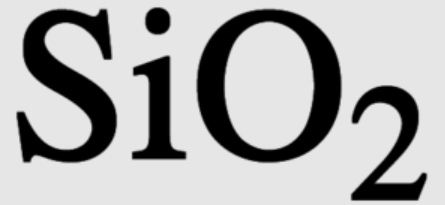
Silica is known by various names, including silicon dioxide and dioxosilane. Its chemical formula is SiO2, with a CAS number of 7631-86-9.
Industry Uses
Silica finds applications in diverse industries, with its primary use centered around glass production. Additionally, it serves as an additive in the food, cosmetic, and pharmaceutical sectors, where it contributes to various formulations and products.
Health Risks
While silica is generally considered inert and safe, exposure to high doses can pose health risks. Silica is known to irritate the skin, eyes, and respiratory tract, particularly at elevated concentrations. Prolonged or repeated exposure to silica can lead to organ damage and immunological stress, highlighting the importance of proper handling and precautions in industrial settings.
Regulations
Despite its potential health risks, there are currently no listed regulations or restrictions for silica concentration in water. However, it’s crucial for industries to adhere to best practices and guidelines to minimize exposure and ensure workplace safety.
Measuring Silica
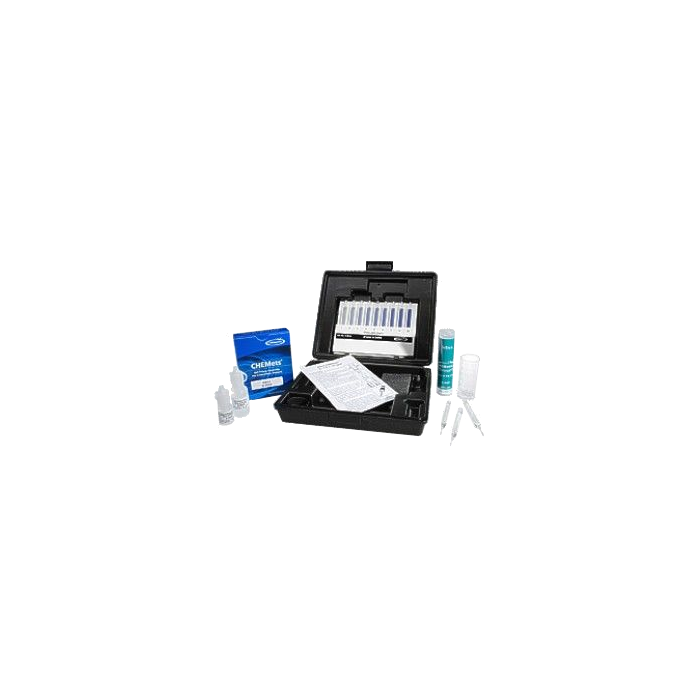
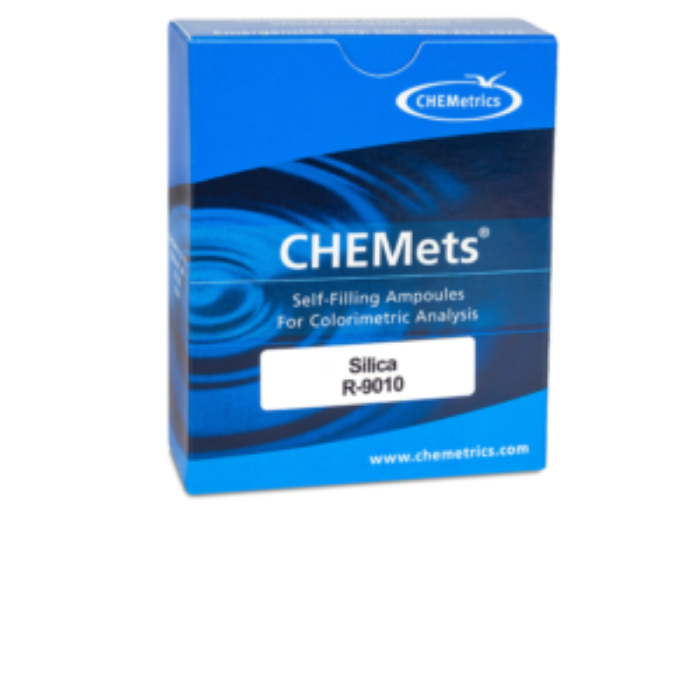
Monitoring silica concentration in water is essential, especially in industrial processes where it can form harmful scales on equipment and heat transfer surfaces. Dissolved silica concentration is typically measured in parts per million (ppm). Instrumental kits, such as those offered by CHEMetrics, provide reliable methods for determining silica levels in water, facilitating effective monitoring and control.
All of those units can be found here: https://www.gas-sensing.com/information/silica
In conclusion, while silica may seem unassuming, its presence and importance span various industries and applications. Understanding its properties, industrial uses, health risks, and measurement methods is crucial for ensuring safe handling and effective management. By staying informed and implementing appropriate precautions, industries can harness the benefits of silica while mitigating potential risks to health and the environment.