Volatile Organic Compounds (VOCs) are a broad category of organic chemicals that can easily become vapors or gases at room temperature. These compounds can originate from both natural and man-made sources, and their presence in both indoor and outdoor environments can have significant health implications.
What Are VOCs?
VOCs encompass a wide variety of organic compounds that are volatile at room temperature. This means they can easily transition into the air, where they can be inhaled. Many different gases fall under the VOC category, and some may also belong to other groups of gases. For a comprehensive list of VOCs, please refer to the end of this post.
Health Risks of VOCs
Exposure to VOCs can pose several health risks, especially to sensitive populations like infants and children. Some of the potential health effects include:
- Respiratory Issues: VOCs can cause respiratory problems, allergic reactions, or affect the immune system.
- Sensory Irritation: Compounds like styrene and limonene can react with nitrogen oxides or ozone to create new oxidation products and secondary aerosols, leading to eye, nose, and throat irritation, headaches, and sensory irritation symptoms.
- Systemic Effects: Long-term exposure to certain VOCs can damage the liver, kidneys, and central nervous system. Some VOCs are also believed to be carcinogenic with prolonged exposure.
Measuring VOCs in the Air
Monitoring the concentration of VOCs in the air is crucial for assessing exposure and mitigating risks. There are several methods to measure VOCs:
- Heated Metal Oxide Sensors (HMOS): These sensors are commonly used and can measure various gases, including VOCs, oxygen, and ozone.
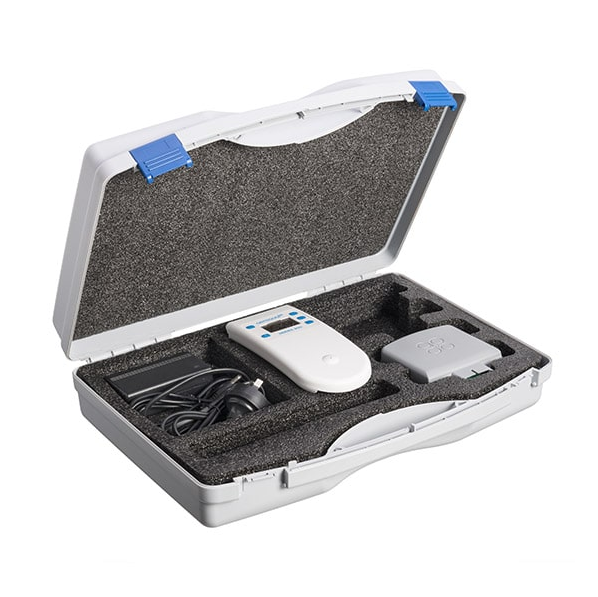
- Photoionization Detectors (PID): PIDs offer higher accuracy and can provide bench-scale accuracy in a portable, handheld device.
All of those units can be found here: https://www.gas-sensing.com/information/volatile_organic_compound
Why Use a VOC Sensor?
Utilizing VOC sensors is essential due to the widespread presence and potential health risks associated with these compounds. While VOCs may not cause immediate toxic effects, chronic exposure to even low levels can lead to significant health issues. By monitoring VOC levels, individuals and organizations can take proactive steps to reduce exposure and improve air quality.
Indoor VOCs
Indoor environments often have higher VOC concentrations than outdoor settings. This is due to the emission of VOCs from a variety of common household and office products, including:
- Paints and varnishes
- Cleaning supplies
- Furnishings and carpets
- Adhesives and glues
- Permanent markers and printing equipment
Limited ventilation can exacerbate VOC accumulation indoors, leading to symptoms such as throat irritation, headaches, and potential damage to internal organs. The severity of health effects depends on the specific VOCs present and the duration of exposure.
Outdoor VOCs
While outdoor VOCs are primarily produced by plants and released through their leaves, human activities also contribute significantly, especially in urban areas. Factors influencing VOC emissions include:
- Natural Sources: Plants emit VOCs, with the type and amount varying by species and environmental conditions such as temperature and sunlight.
- Anthropogenic Sources: Urban environments see increased VOC levels from sources like the oil and gas industry, solvent use, and transportation emissions. Although natural emissions are generally higher overall, human-made VOCs are more concerning in cities due to their localized impact.
Conclusion
Understanding and managing VOC exposure is crucial for maintaining health and safety. Whether indoors or outdoors, monitoring VOC levels using reliable sensors can help identify sources of pollution and inform strategies to reduce exposure. By being aware of the risks and taking appropriate measures, individuals and organizations can mitigate the adverse health effects associated with VOCs.