How Gas Sensing Supports Healthier Learning Environments
Vaping continues to be a growing concern in schools, particularly in areas such as bathrooms and locker rooms where supervision is limited. To address this challenge without compromising student privacy, many schools are turning to air quality and gas sensing technologies as a practical monitoring solution.
Gas Sensing, based in Inwood, Iowa, provides gas detection and monitoring solutions that support this approach by focusing on environmental changes in indoor air, rather than individual behavior.
Vaping and Indoor Air Quality
When vaping occurs, it releases aerosols and volatile compounds into the surrounding air. These emissions can alter indoor air conditions, creating detectable changes that gas sensors are designed to monitor.
Rather than relying on cameras or audio devices, gas sensing technology monitors air composition, making it suitable for sensitive school areas while respecting privacy expectations.
How Gas Sensing Technology Supports Vape Detection
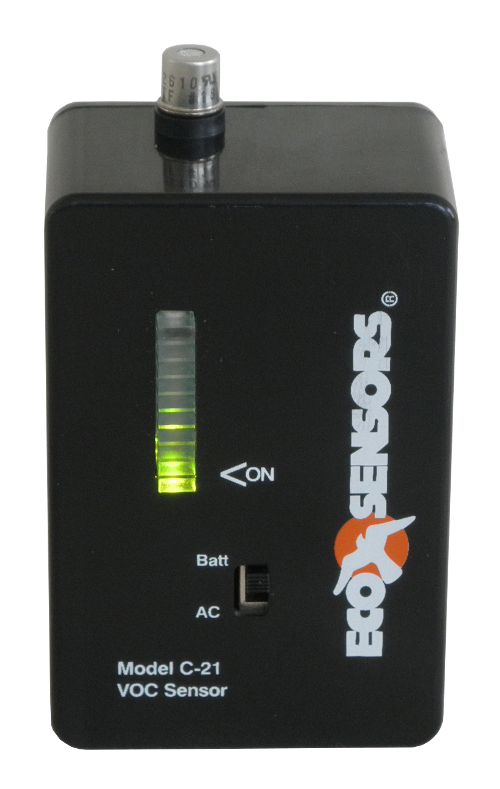
Gas sensing systems operate continuously, tracking air conditions and alerting staff when concentrations exceed normal background levels. In school environments, this approach can help administrators:
- Identify sudden air quality changes associated with vaping
- Respond more quickly to incidents
- Monitor high-risk locations consistently
- Collect data to understand trends over time
This method provides schools with objective, real-time information to support healthier indoor environments.
Applications in School Settings
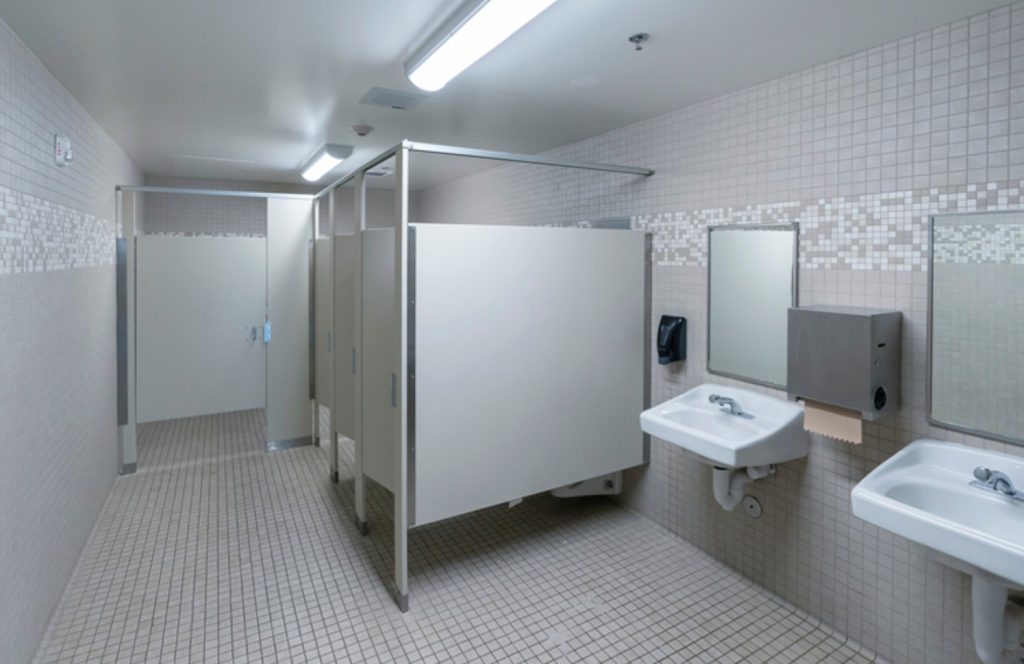
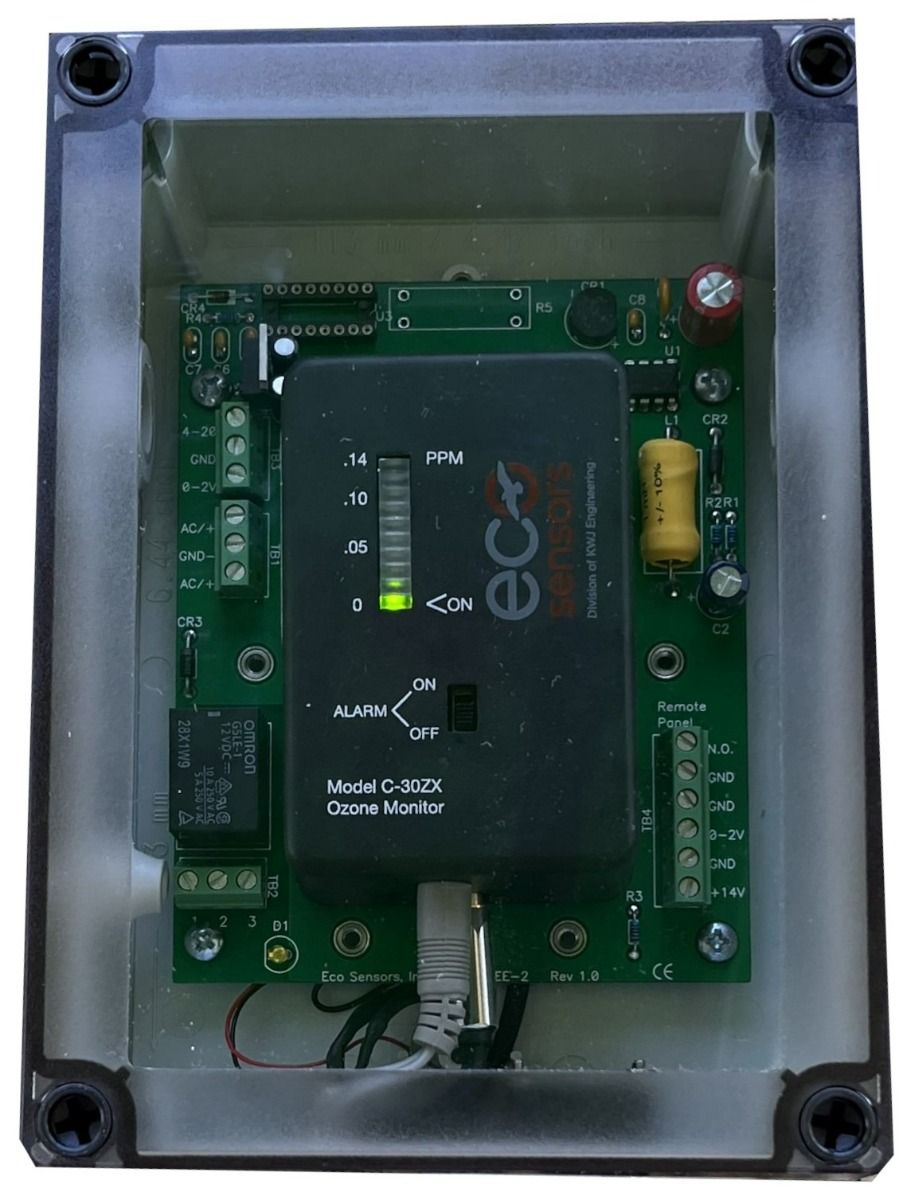
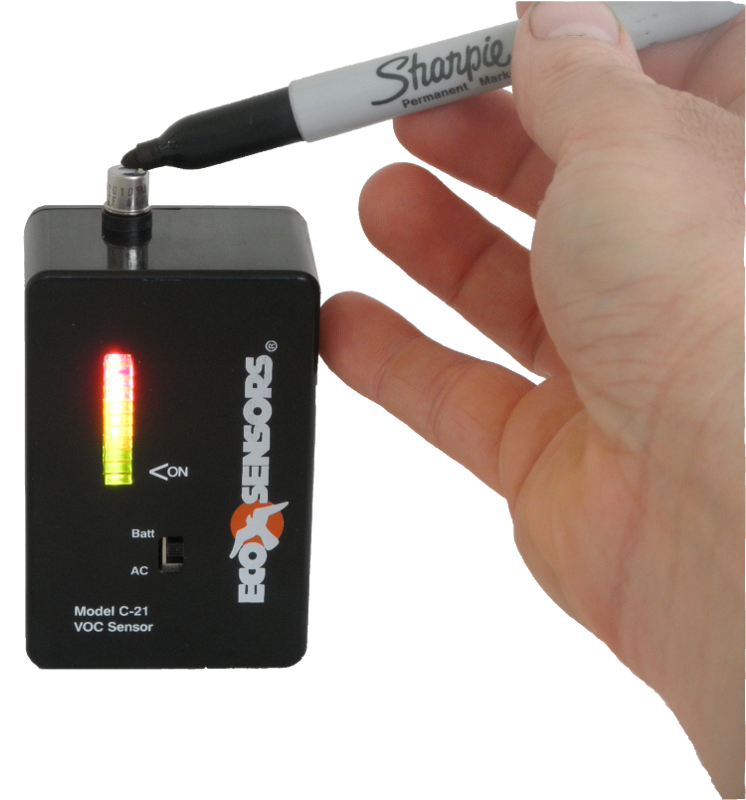
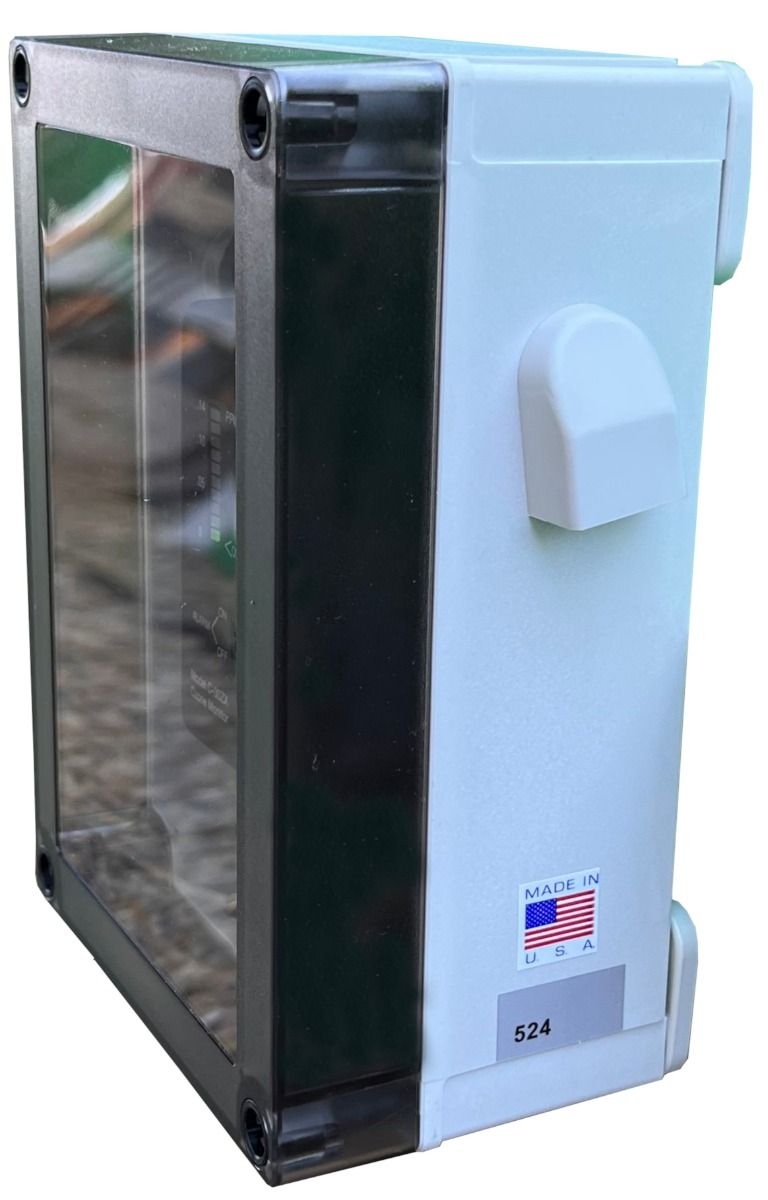
Gas Sensing equipment can be placed in areas where vaping is more likely to occur, including restrooms, locker rooms, and hallways. By monitoring air quality rather than individuals, schools gain insight into when and where issues arise without creating surveillance concerns.
The data collected can also help guide education, policy decisions, and facility planning.
Supporting Schools with Local Expertise
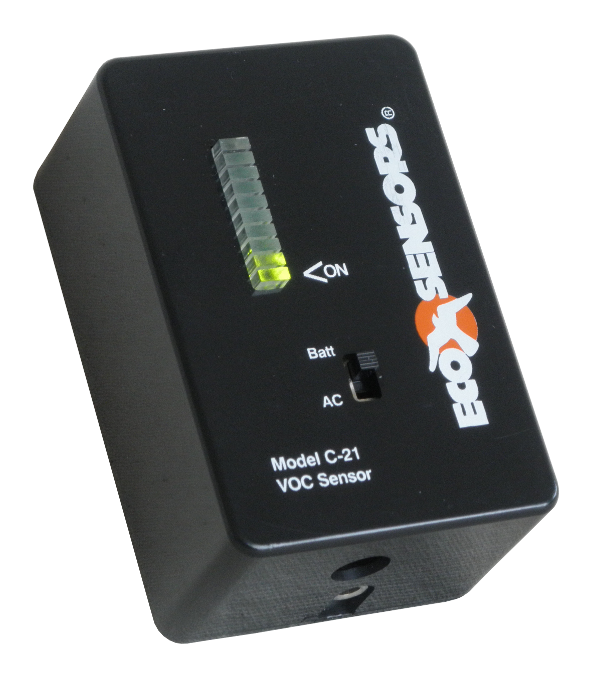
Gas Sensing brings experience in gas monitoring and detection technologies used across a range of environments. These same principles can be applied to school settings, helping administrators take a proactive, data-driven approach to indoor air quality and vape detection.

Final Thoughts
Vape detection doesn’t have to be invasive to be effective. By focusing on air quality and gas sensing, schools can address vaping concerns while maintaining respect for student privacy. Gas Sensing offers practical tools to support safer, healthier learning environments.