Why We Should Care About Hydrogen Chloride (HCl)
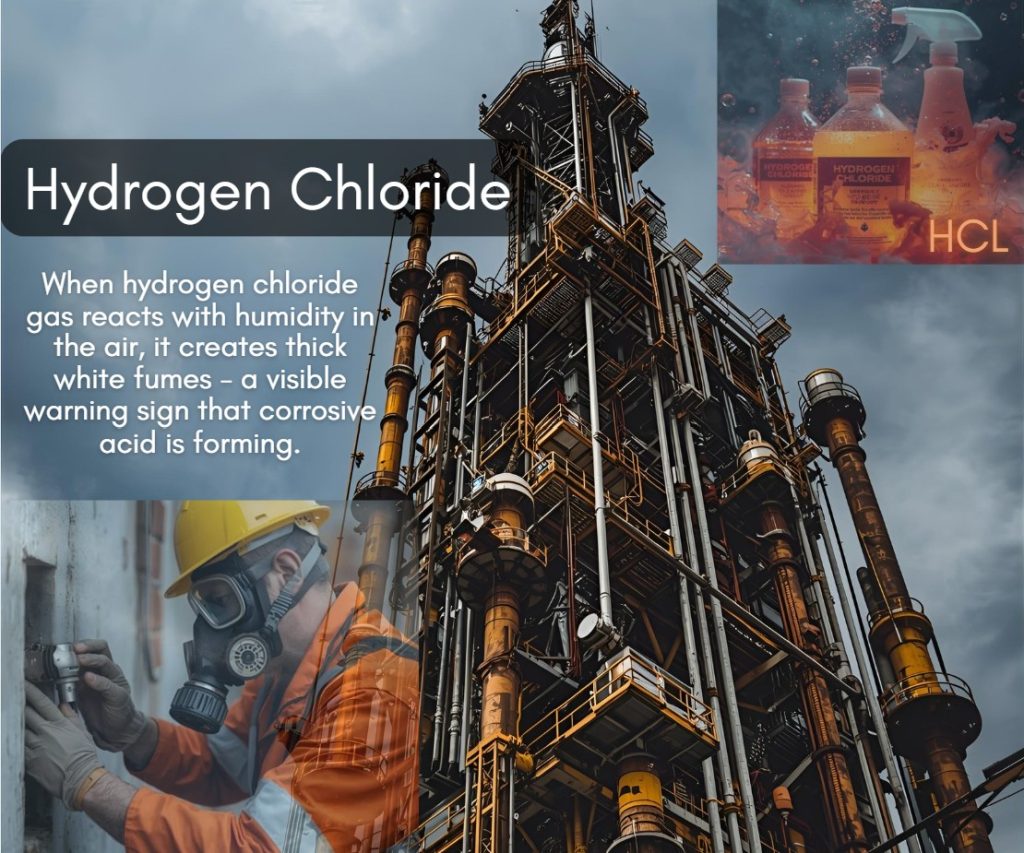
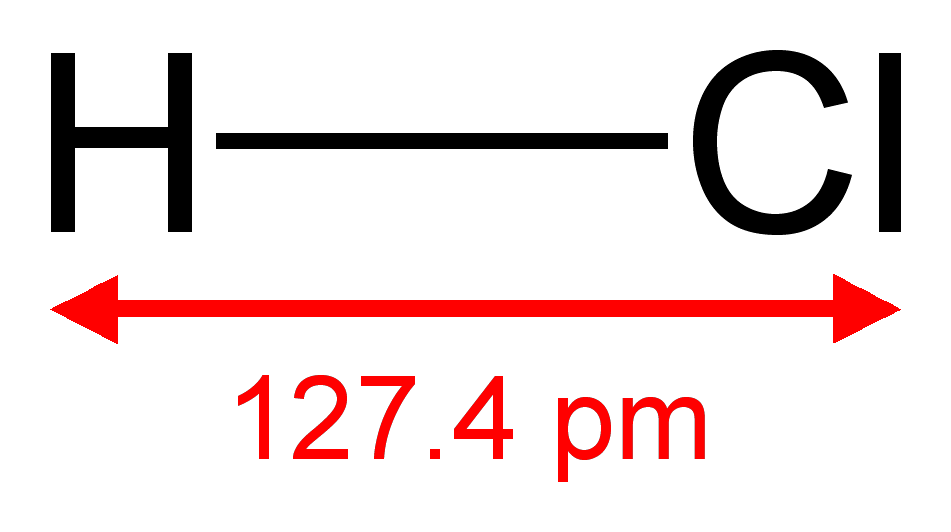
Hydrogen chloride (HCl) is a colorless gas with a sharp, irritating odor. When it comes into contact with moisture — including the air we breathe — it forms hydrochloric acid, a highly corrosive substance.
Where Hydrogen Chloride Is Found
Hydrogen chloride is commonly found in industrial and manufacturing environments, especially:
- Chemical manufacturing plants
- Metal processing and pickling operations
- Fertilizer and plastic production
- Waste incineration facilities
- Semiconductor and electronics manufacturing
- During the combustion of chlorine-containing materials
It can also be released accidentally during chemical spills, equipment failures, or improper storage and handling.
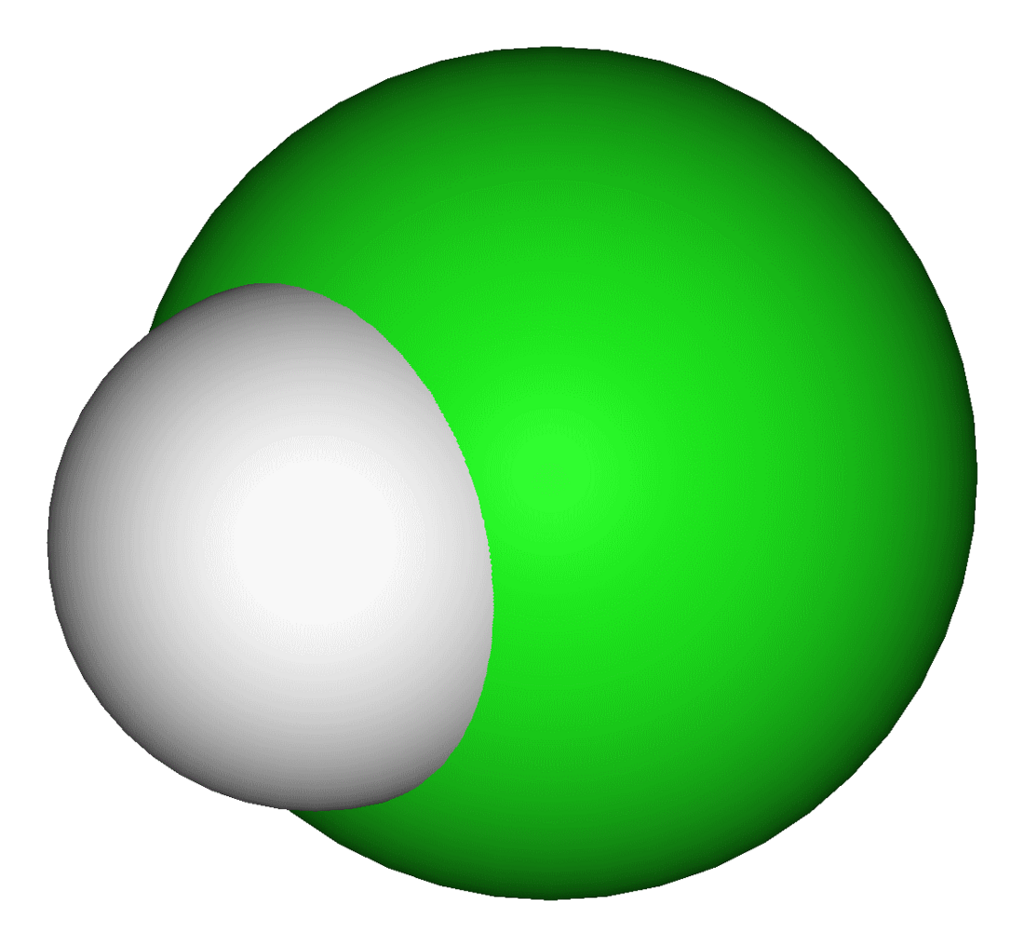
Why It’s Dangerous
Exposure to hydrogen chloride gas can quickly irritate the eyes, skin, nose, throat, and lungs. Higher concentrations may cause severe respiratory damage, chemical burns, or fluid buildup in the lungs, which can be life-threatening.
Did You Know?
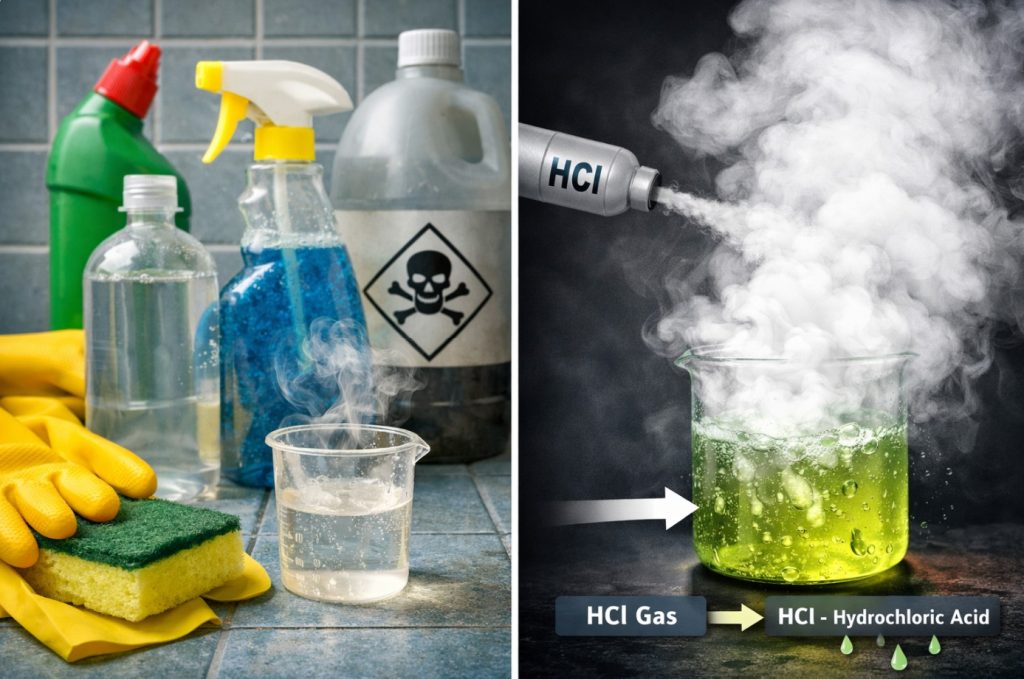
- Many heavy-duty cleaning products contain hydrochloric acid, which comes from hydrogen chloride gas.
- This is what makes toilet bowl, tile, and concrete cleaners so effective at dissolving mineral scale and hard-water buildup.
- That same chemical power can release irritating fumes in enclosed or poorly ventilated spaces — a reminder that strong cleaners deserve strong safety practices.
Monitoring Matters
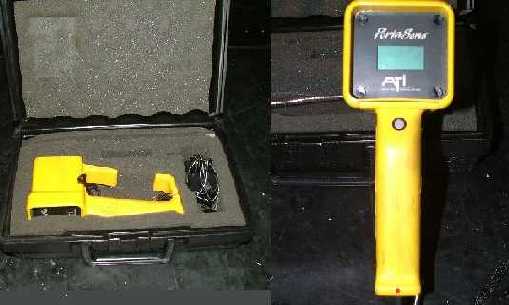
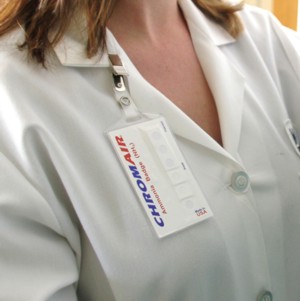
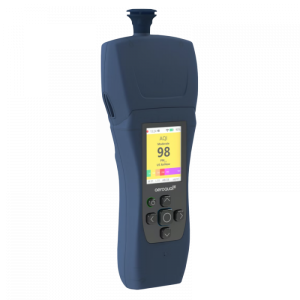
Because hydrogen chloride is widely used and highly corrosive, continuous monitoring is essential. Early detection helps protect workers, prevent equipment damage, and reduce the risk of serious health effects during leaks or accidental releases.
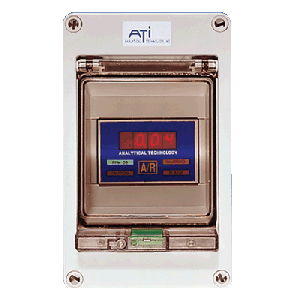
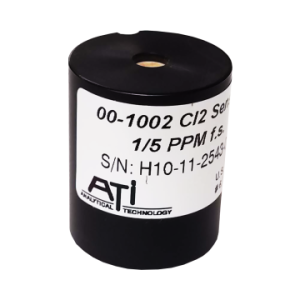
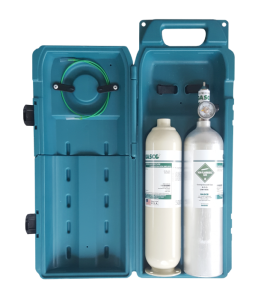
Components offered at Gas Sensing
Summary
Hydrogen chloride may be common in industrial settings, but its health risks and corrosive nature make it a gas worth monitoring. Detecting it early helps keep people safe, operations running smoothly, and environments protected.