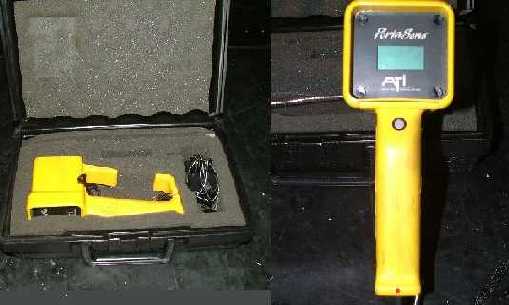
What Is Chloride?
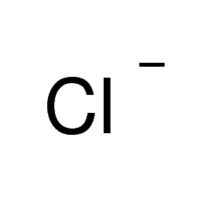
Chloride might sound like a complex chemical term, but it’s actually something we encounter every day. Simply put, chloride is a negatively charged form of chlorine (Cl⁻) that’s found in many common compounds — most famously in table salt (sodium chloride). It plays important roles in both nature and industry.
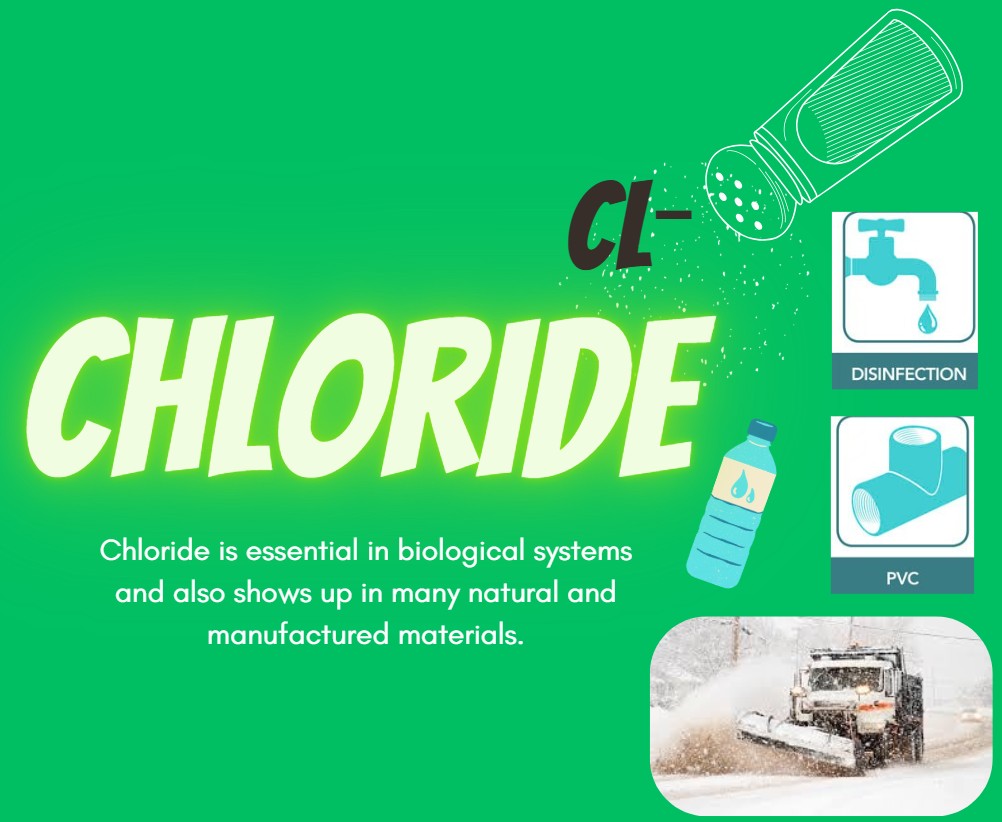
Chloride is one of the most common ions found in water and the environment. It’s essential in biological systems — for example, helping with fluid balance and nerve function in the human body — and also shows up in many natural and manufactured materials.
Even though the chloride ion itself isn’t a gas you breathe in, it’s closely related to gases and corrosive chemicals (like hydrogen chloride) that are IMPORTANT to monitor in industrial settings.

Where You Might Encounter Chloride
Here are some real-world places where chloride matters and where customers might run into it:
Water Treatment – Chloride is everywhere in water — rivers, oceans, wells, and wastewater. Monitoring dissolved chloride helps ensure safe drinking water and proper treatment of wastewater.
Industrial Systems – In boilers, cooling towers, oil drilling, and other high-temperature equipment, chloride can cause corrosion, which can damage metal parts and increase maintenance costs.
Environmental Monitoring – Environmental labs and engineers measure chloride levels to assess saltwater intrusion, impacts from de-icing salts on freshwater systems, and more.
Chemical Processing – Some industrial processes generate gases like hydrogen chloride (HCl), which is highly corrosive and hazardous at elevated levels. Detecting and monitoring these gases helps protect workers and facilities.
Why Chloride Matters in Gas Detection
Even though chloride ions are a dissolved form found in liquids, related gases — especially hydrogen chloride — require careful monitoring in the air. These gases can be dangerous at high concentrations and are relevant in:
- Chemical plants and manufacturing
- Metal processing (like steel pickling)
- Fertilizer and PVC production
- Laboratories and industrial safety monitoring
Your site’s sensors and detection tools help customers stay safe, meet regulations, and better understand the behavior of chloride-related gases and compounds in their environments.
In Simple Terms
Chloride is everywhere and important — from your table salt to huge industrial systems. While chloride ions themselves are stable and common, gases linked to them can be harmful, which is why sensing and measurement tools are essential.

About Us: Our purpose is to provide quality gas monitoring products to satisfy all of your safety and control needs!
All sensors require a yearly calibration to ensure your gas measurements are accurate and performing within manufacturer standards.
**Calibration Service Request Form **