When working with hazardous gases like chlorine, ensuring that exposure levels are within safe limits is crucial for protecting health and safety. The ChromAir Chlorine Badge offers an easy, reliable method for both personnel and area monitoring, giving you the peace of mind that comes with accurate, on-site detection. The badge’s color change from yellow to orange signals the presence of chlorine in the environment, helping to monitor exposure over time. This blog will explore how the ChromAir Chlorine Badge works, its benefits, and best practices for using it effectively.
Introduction to Chlorine Monitoring
Chlorine is a highly reactive, greenish-yellow gas with a sharp, irritating odor. While it plays a vital role in many industries—such as water treatment, chemical production, and manufacturing—exposure to high concentrations of chlorine can have severe health consequences. Chlorine is a potent respiratory irritant, and mild exposure can cause burning sensations in the eyes, nose, and throat. More severe exposure, such as inhaling high concentrations (around 1000 ppm), can lead to fatal outcomes after just a few breaths.
To manage the risks associated with chlorine, regulatory agencies like NIOSH and OSHA have set strict exposure limits:
- NIOSH PEL (Permissible Exposure Limit): 0.5 ppm (ceiling)
- OSHA PEL: 1 ppm (ceiling)
Given these limits, continuous monitoring is essential in environments where chlorine gas is present. The ChromAir Chlorine Badge offers an easy-to-use and accurate way to monitor exposure levels.
How the ChromAir Chlorine Badge Works
The ChromAir Chlorine Badge operates on a patented autogenic exposimeter technology. It’s a passive monitoring device designed to measure chlorine exposure directly through a color change, making it ideal for workers in industries where chlorine gas is a concern.
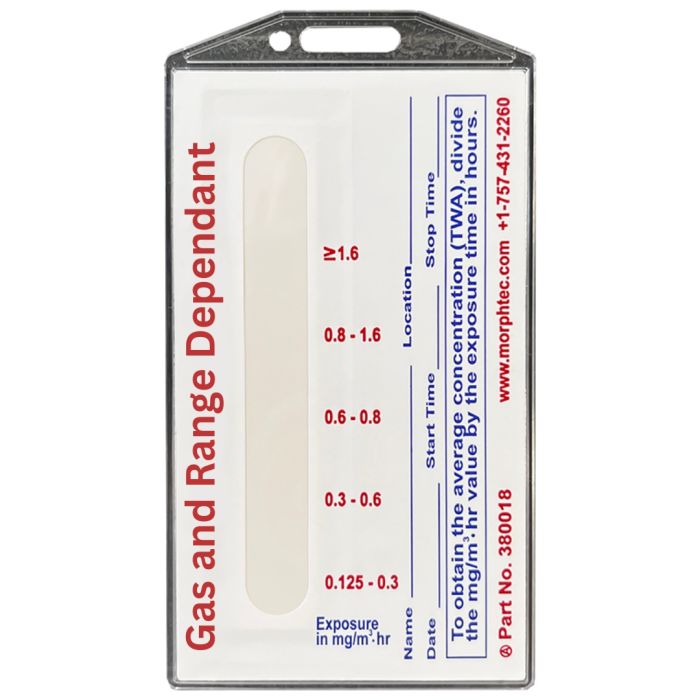
When chlorine gas interacts with the indicator layer on the badge, a color change occurs from yellow to orange, providing a direct visual indication of chlorine exposure. The darker and more pronounced the orange color, the higher the level of exposure.
The ChromAir Chlorine Badge can be used for exposure times ranging from 15 minutes to 48 hours, allowing flexibility for different monitoring needs. The badge’s ease of use makes it suitable for both personnel monitoring (worn near the breathing zone) and area monitoring (mounted in a centralized location).
How to Use the ChromAir Chlorine Badge
Using the ChromAir badge is simple, but following proper steps is important for accurate readings. Here’s a quick guide to using the badge effectively:
- Preparation: Remove the badge from its refrigerated pouch and let it warm up to room temperature before use.
- Fill in Information: Enter necessary details (name, location, date, and start time) on the badge’s ID label.
- Activate the Badge: Remove the protective strip from the first cell to begin exposure monitoring.
- Placement: For personal monitoring, attach the badge near the user’s collar, ensuring the front of the badge is exposed to the surrounding air. For area monitoring, place the badge on a stand in a centralized location.
- Monitor Exposure: Periodically check the back of the badge to track exposure levels.
- Determine Exposure: Once chlorine is detected, the badge will change color from yellow to orange. To read the badge, locate the highest cell with an orange threshold color.
- Calculate Exposure: To determine the average concentration of chlorine in the environment, divide the exposure dose (measured in ppm∙hr) by the exposure time (hours). For example, if the badge reads 10 ppm∙hr after 2 hours of exposure, the average concentration is 5 ppm.
Key Sampling Parameters
- Color Change: Yellow to orange
- Exposure Range: 0.4 to over 13 ppm∙hr
- Sampling Time: Minimum 15 minutes, maximum 48 hours
- Temperature Range: 10°C to 35°C (59°F to 95°F)
- Humidity Range: 33% to 85%
- Face Velocity Range: 5 to 150 cm/sec
- Light Effects: No effect from UV or visible light
- Shelf Life: 2 years (refrigerated)
Storage and Care
To maintain the accuracy and longevity of your ChromAir badge, always store it in its sealed pouch in a refrigerated environment. When ready to use, allow the badge to return to room temperature before exposing it to the environment.
Conclusion
The ChromAir Chlorine Badge provides a simple, effective way to monitor chlorine exposure with a clear visual indicator that changes from yellow to orange. Whether you’re using it for personal safety or area monitoring, this badge ensures that you stay within regulatory limits and keep your workplace safe. By following proper usage and storage practices, you can ensure accurate, real-time results and avoid the dangers of chlorine overexposure.
With its ease of use, reliability, and portability, the ChromAir Chlorine Badge is a valuable tool for any industry where chlorine is present. Keep your environment and team safe by incorporating this monitoring system into your safety protocol.
You can find this product here: https://www.gas-sensing.com/chlorine-chromair-badge-380004-10.html