What Is Ethylene Oxide?
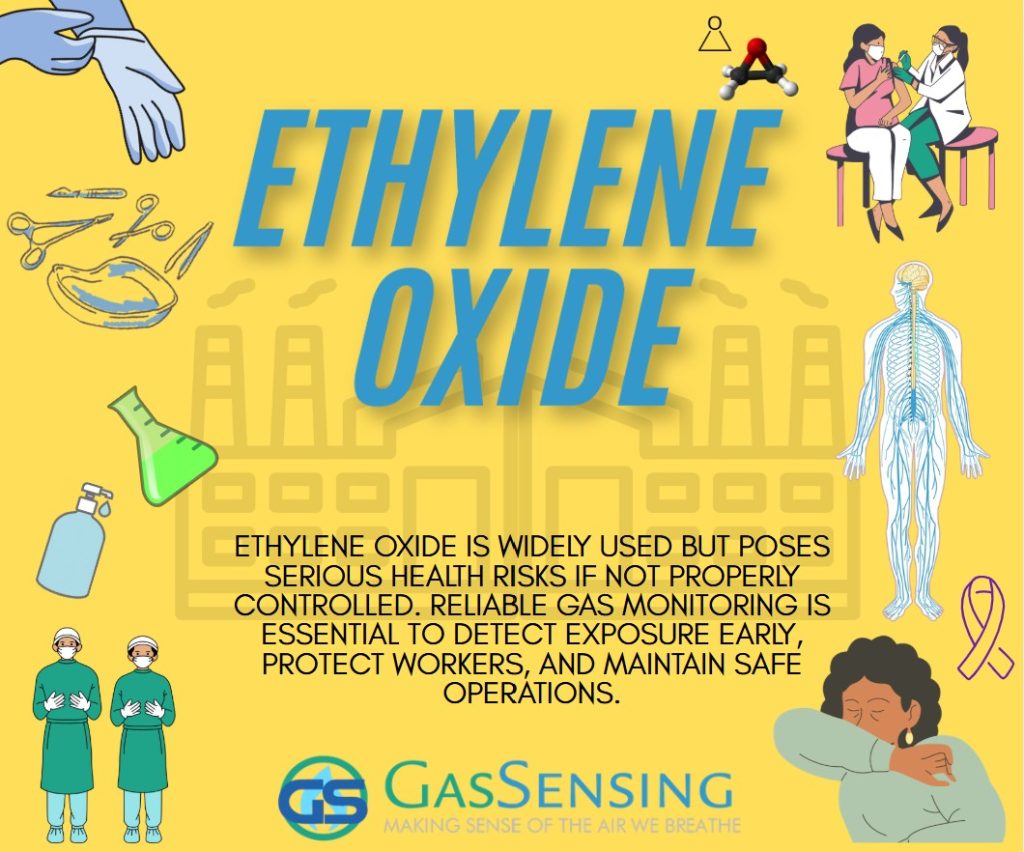
Ethylene oxide (EtO) is a colorless gas widely used for medical device sterilization and as a chemical building block in industrial processes. Its strong bactericidal, fungicidal, and sporicidal properties make it effective against most microorganisms, including viruses, which is why it is commonly used to sterilize pharmaceutical and surgical materials and for fumigation.
Ethylene oxide is also used to produce many everyday products, such as detergents, solvents, plastics, and other organic chemicals. While it leaves no residue, ethylene oxide is highly toxic, and exposure can occur without obvious warning.



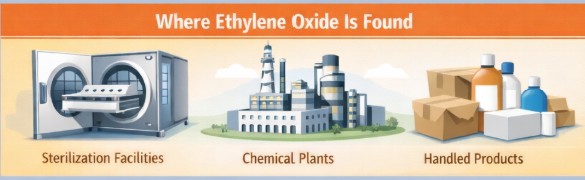
Where Ethylene Oxide Is Found
Ethylene oxide is most often encountered in:
- Medical device sterilization facilities
- Chemical manufacturing and processing plants
- Facilities that handle sterilized products
In these environments, ethylene oxide may be present as part of normal operations.
Why Ethylene Oxide Monitoring Is Important
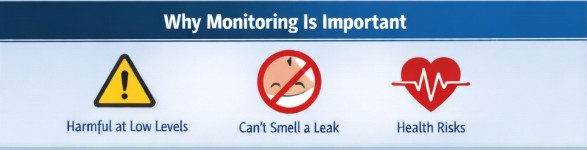
Ethylene oxide can be harmful at very low concentrations, with short- and long-term health risks depending on exposure. Because it cannot be reliably detected without instruments, gas monitoring is critical for identifying leaks, maintaining safe working conditions, and supporting regulatory compliance.
Acute Health Effects
Brief exposure to elevated levels of ethylene oxide can cause:
- Eye, skin, and respiratory irritation
- Headaches and dizziness
- Nausea or vomiting
- Shortness of breath or coughing
Because ethylene oxide is a gas that is not reliably detected by smell, people may be exposed before realizing it.
Chronic Health Effects
Repeated or prolonged exposure to lower concentrations over time has been associated with more serious risks, including:
- Damage to the nervous system
- Reproductive effects
- Increased cancer risk, which is why ethylene oxide is classified as a carcinogen
- Potential impacts on blood and immune systems
How Gas Sensing Can Help
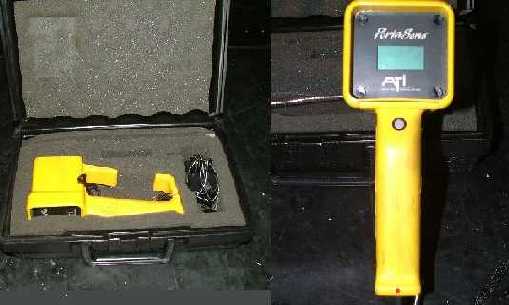
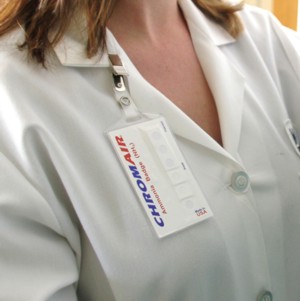
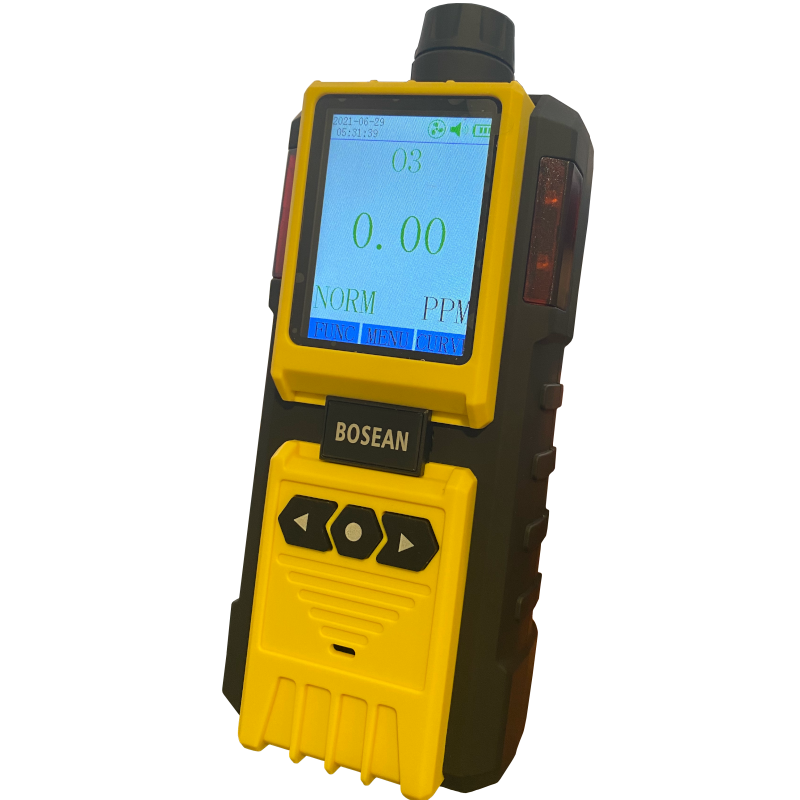
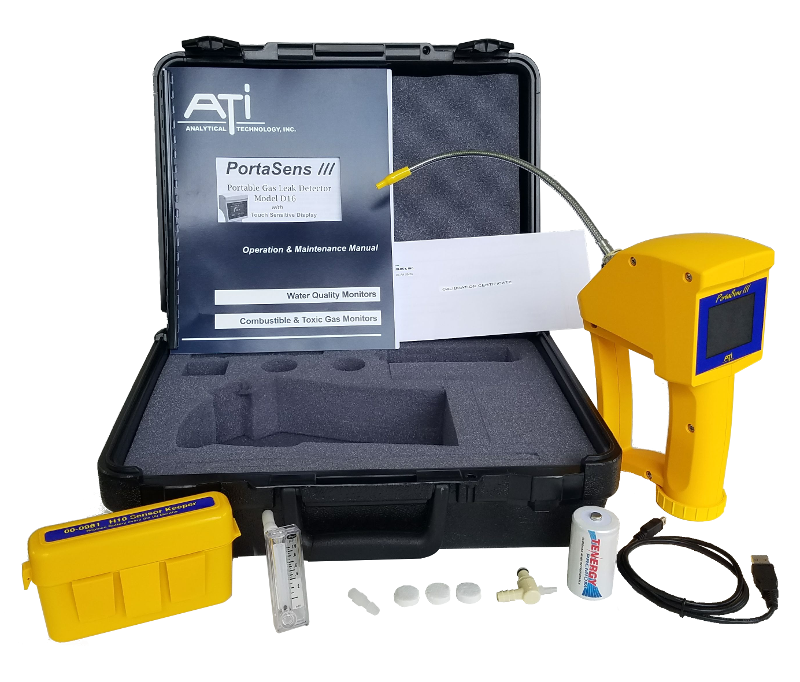
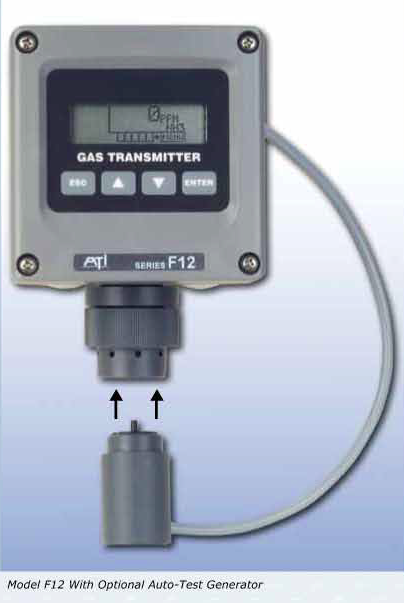
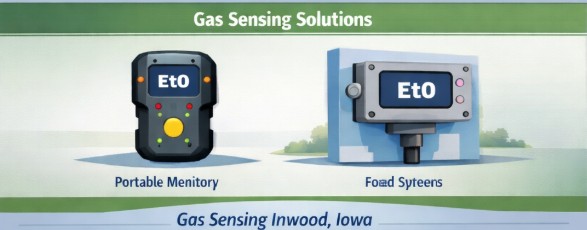
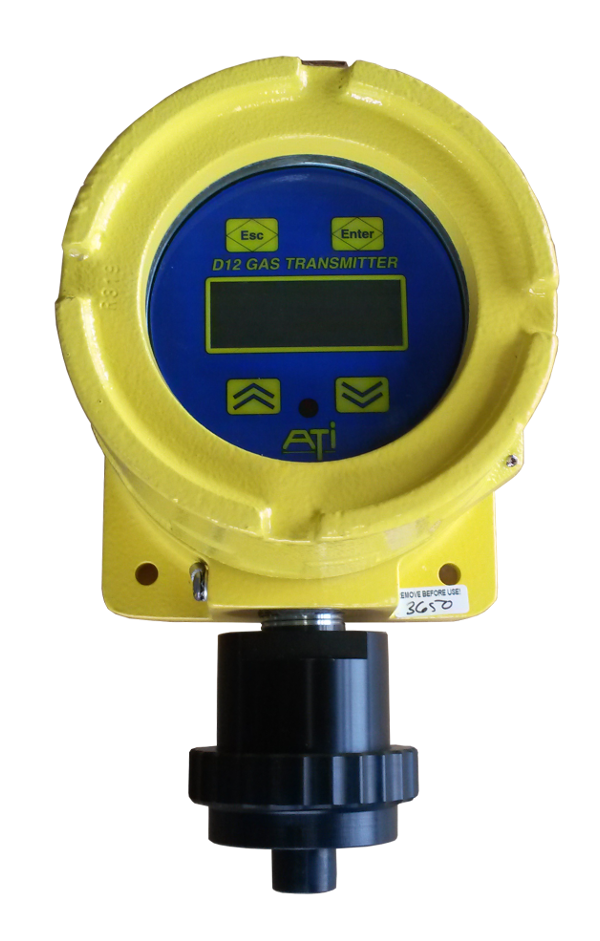
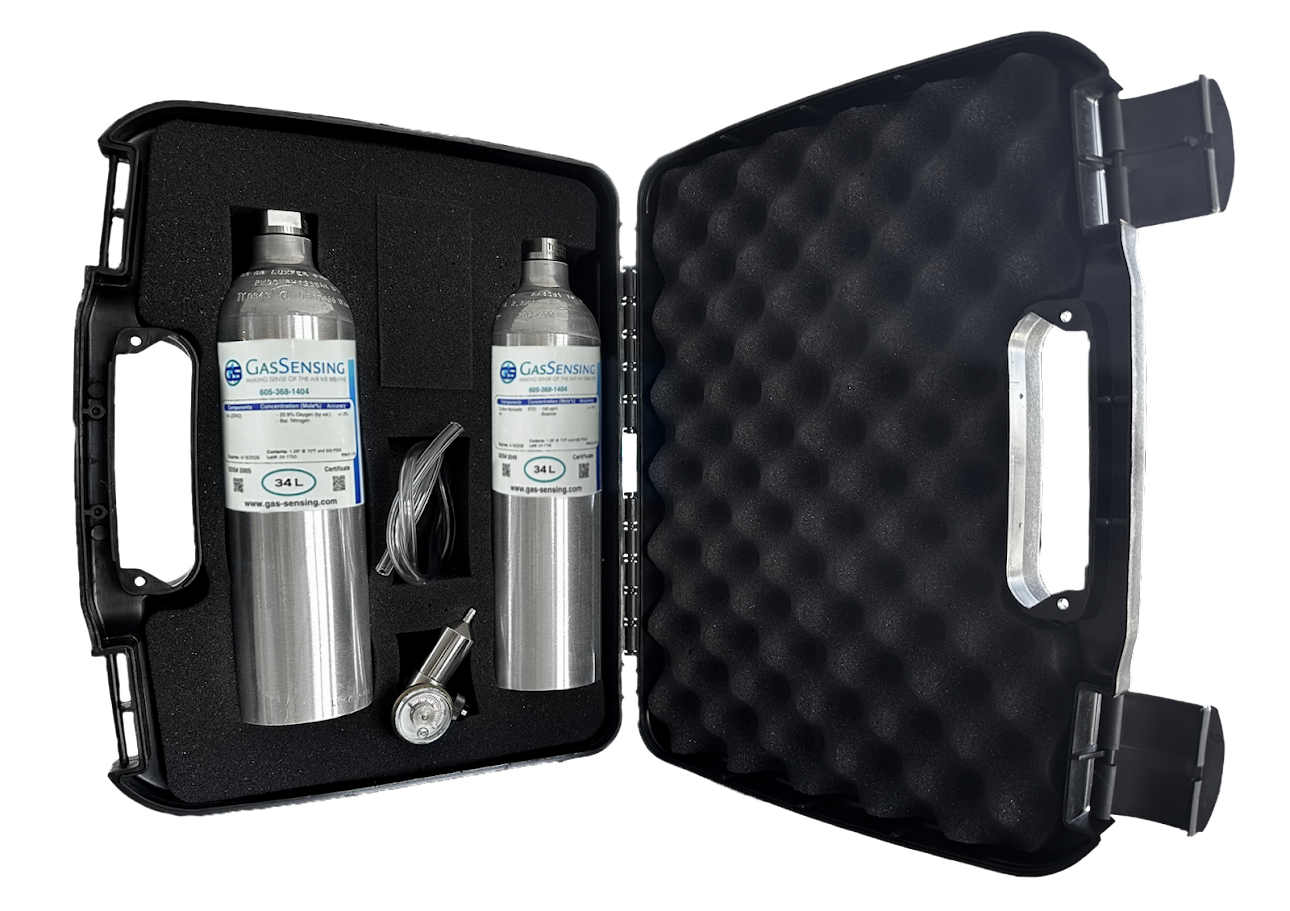
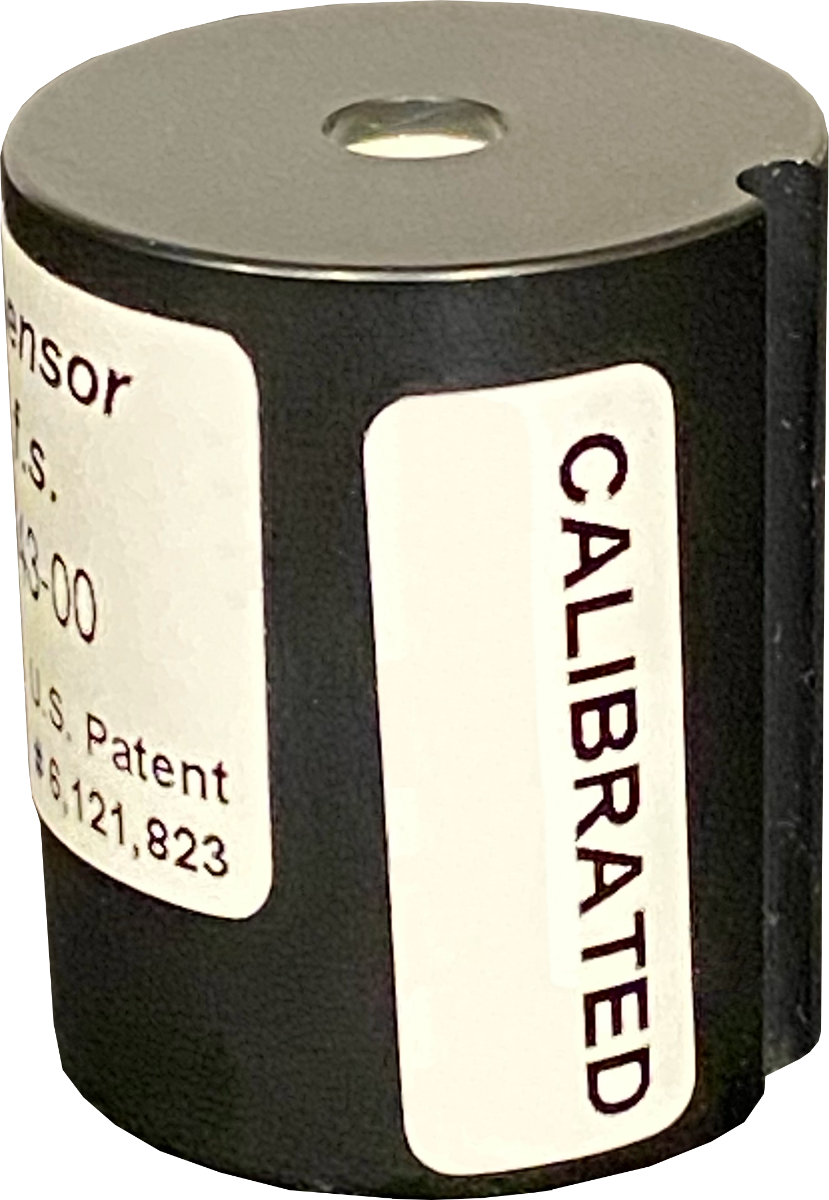
Gas Sensing in Inwood, Iowa provides ethylene oxide gas detection solutions, including portable and fixed monitors, calibration services, and expert support to help organizations monitor ethylene oxide accurately and confidently.
Conclusion
Ethylene oxide plays an important role in medical and industrial applications, but its toxicity and difficulty to detect make it a serious safety concern. Understanding where ethylene oxide is used and the health risks associated with exposure highlights the need for reliable monitoring. With proper gas detection and expert support, facilities can better protect workers, maintain compliance, and operate with confidence.