Hydrogen
Why measure it? Hydrogen (H2) is odorless, tasteless and colorless, so leaks are very hard to detect. Hydrogen can be hazardous to human safety as […]
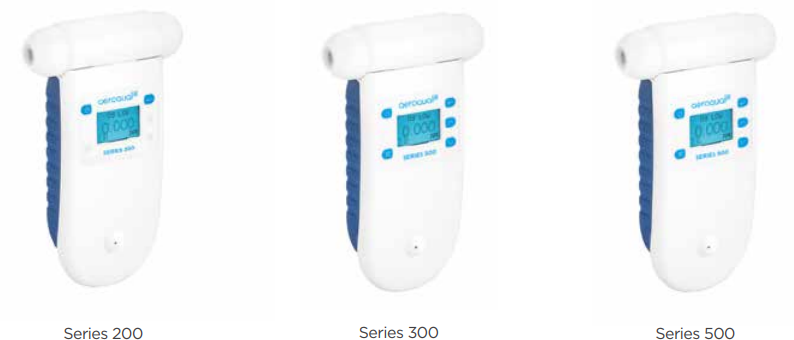
Product Highlights When it comes to gas sensing monitors, Aeroqual delivers products that are second to none. The staple of their elite portable gas sensor
Product Spotlight: Aeroqual Series 500 Portable Monitor Read More »
Why measure it? Methane (CH4) is a non-toxic gas but extremely flammable and can form explosive mixtures with air. Its explosive limits are between 5%
Why measure it? Volatile organic compounds (VOCs) are carbon containing gases and vapors such as gasoline fumes and solvents. They evaporate easily at ordinary room
Volatile Organic Compounds Read More »
Why measure it? In the upper atmosphere ‘good’ ozone (O3) protects life on Earth from the sun’s ultraviolet rays. At ground level ‘bad’ ozone is
Why measure it? Hydrogen sulfide (H2S) is a colorless, toxic gas which has a very distinct odor even at very low concentrations. The odor is
Why measure it? Inhalation of nitrogen dioxide (NO2) can impair lung function and increase susceptibility to infection, particularly in children. It can also aggravate asthma.
Why measure it? Perchloroethylene (C2Cl4), which is also sometimes referred to as Tetrachloroethylene or PERC, is a colorless liquid. The liquid readily evaporates into the
Why measure it? Sulfur dioxide (SO2) is a toxic gas with a strong irritating smell. Inhaling sulfur dioxide has been associated with respiratory disease and
Aeroqual recently updated their information pages on VOCs (Volatile Organic Compounds) and added some great information about what VOCs are, why they should be measured,
VOC’s – why measure them? Read More »