What Is Phenol?
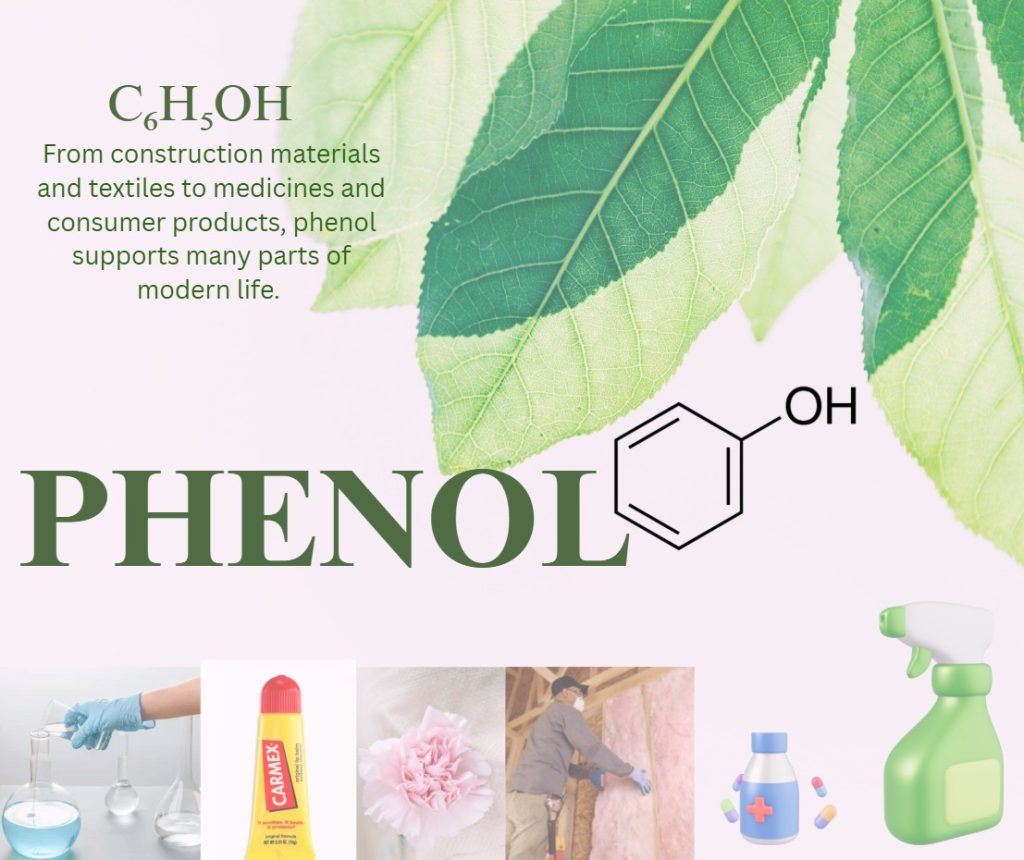
Phenol, also known as carbolic acid or hydroxybenzene, is an aromatic organic compound with the chemical formula C₆H₅OH. It is typically a colorless to pale pink solid with a recognizable sweet, medicinal odor. Phenol is a foundational chemical used across many industries and plays a key role in the production of numerous everyday products.
Phenol belongs to a group of compounds called phenols, which are defined by a hydroxyl group (–OH) attached directly to a benzene ring. This structure gives phenol properties that differ from standard alcohols, including higher reactivity and mild acidity. While extremely useful, phenol can be toxic and corrosive at higher concentrations, so safe handling and monitoring are important in industrial settings.

What does it smell like?
That said, some people loosely compare phenol’s scent to:
- Medicinal, antiseptic, or hospital-like.
- Old disinfectants or medical offices
- Wilted carnations or old roses
- Strong spices or herbs
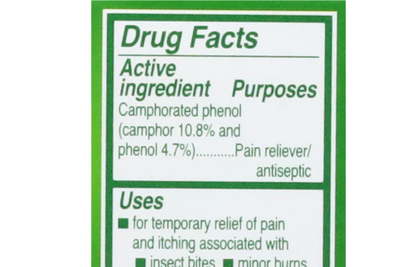
Common ingredient for throat sprays, medicated lip ointment, and anti itch creams.


Quick Facts About Phenol
- Phenol is widely used as an oral anesthetic and antiseptic in throat spray
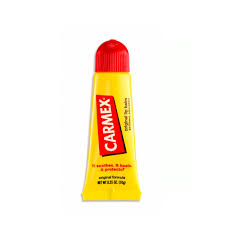
- Is found in Carmex Classic Lip Balm and Blistex Lip Ointment– as an external analgesic and antimicrobial agent to soothe and protect irritated lips
- Phenol was one of the first antiseptics used in modern medicine.
- At room temperature, phenol can exist as a solid, but it melts just above normal ambient temperatures.
- Even small amounts can be harmful with direct contact, which is why controlled handling is essential.
- Many phenol derivatives occur naturally in plants and contribute to flavors and aromas.
Where Phenol Is Used
Phenol’s versatility makes it valuable in a wide range of applications:
- Plastics and resins: Phenol is a key ingredient in phenolic resins used in adhesives, insulation, laminates, and molded components.
- Chemical manufacturing: It serves as a building block for products such as bisphenol A (used in polycarbonates and epoxy resins) and caprolactam for nylon production.
- Pharmaceuticals and healthcare: Phenol and its derivatives are used in antiseptics, throat sprays, and as intermediates in medications like aspirin.
- Dyes, coatings, and cleaners: Phenolic compounds are found in dyes, surface coatings, detergents, and specialty chemical formulations.
Why Phenol Matters
From construction materials and textiles to medicines and consumer products, phenol supports many parts of modern life. Because exposure at elevated levels can pose health and safety risks, industries that produce or use phenol rely on proper controls and monitoring to ensure safe working environments.

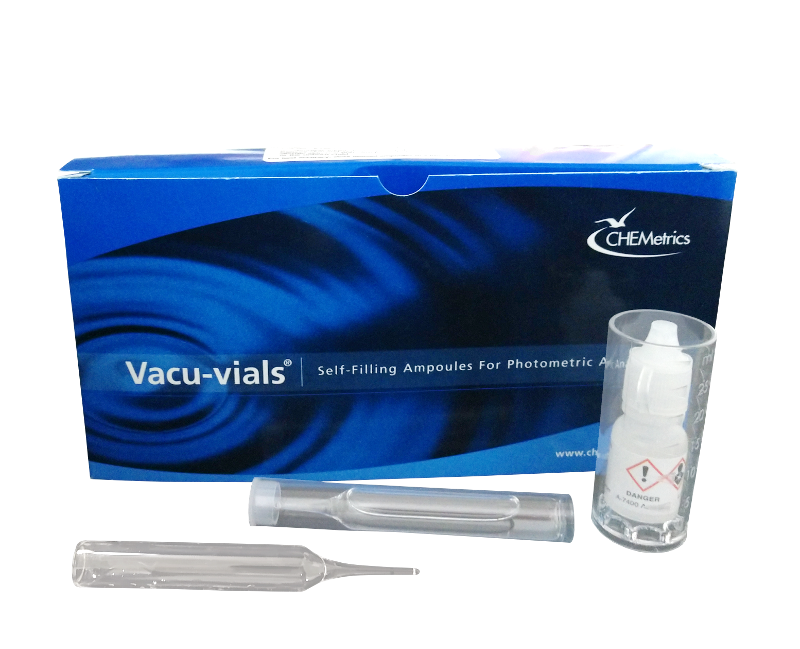
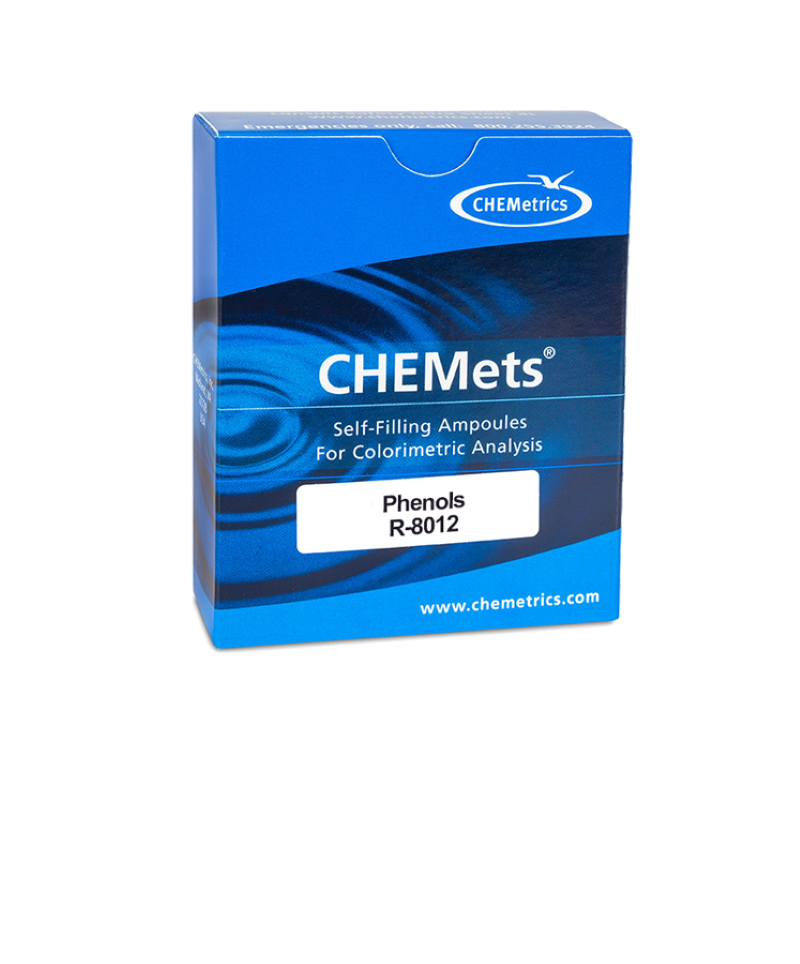
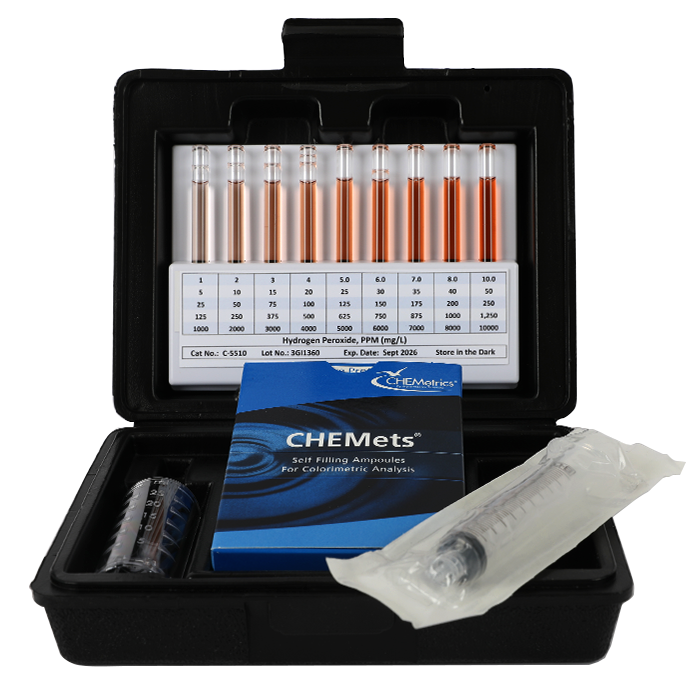
Dissolved Kits to test for Phenol