
What Gas Do You Want To Monitor?
Shop By Brand













Ammonia
Ammonia Gas Componets We Offer:
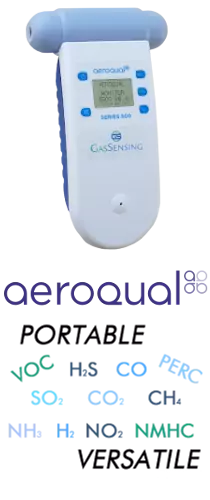
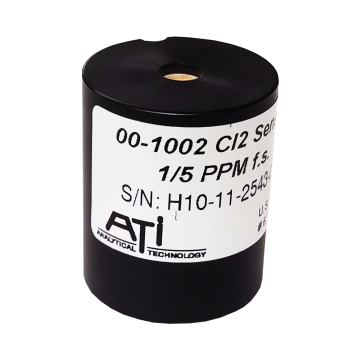
Both fixed mount and portable sensors, along with replacement sensor heads and dissolved ammonia kits from all the manufacturers we represent can be found using the table below. For questions on what product might be right for you, Contact us today!
| Fixed Mount | Handheld | Dissolved Kits: | Replacement Sensors: | Calibration Gas: | Rentals: |
 |
 |
 |
 |
 |
 |
Ammonia (NH3):


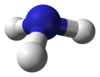
What is Ammonia?:
Ammonia is a nitrogen-based compound. It is colorless but has a noticeably strong smell, even at very low levels. Ammonia is a common nitrogenous waste product and is found in nature from decomposing organic material, animal waste, and even in our solar system. Although ammonia is common in nature and used widely in industry, it is classified as an extremely hazardous substance because it is both caustic and flammable. With a boiling point of -33.34°C at standard pressure, liquid ammonia must be stored under pressure or at very low temperatures. This can be risky as well as ammonia has a tendency to explode under pressure.
|
Chemical Formula |
NH3 |
|
CAS Number |
7664-41-7 |
|
Industry Uses |
Fertilizers, Cleaners, Cooling Systems, Pharmaceuticals |
|
Health Risks |
Irritation to eyes, airway, sinuses, and throat. Neurotoxin and Metabotoxin; Burns and Coughing |
|
Vapor Pressure |
857.3 kPa |
|
Water Solubility |
Soluble |
|
Flammability |
Flammable |
|
Odor |
Pungent; Familiar to many as it is used in smelling salts and household cleaners |
Ammonia Exposures and Health Risks:
Ammonia is found in many household cleaners as well as in most agricultural fertilizers. Cooling and Refrigeration systems have recently started adapting the use of ammonia, and it has also become a large part of the pharmaceutical world. Ammonia, however, is extremely dangerous, even in when exposure is brief and concentrations are small. It is toxic whether inhaled or ingested, which makes it dangerous to aquatic life as well. Ammonia is also an irritant, especially to the eyes, nose, throat, and lungs. Burns and coughing are common side effects of ammonia exposure and contact with the eyes can cause blindness. Ammonia is both a neurotoxin, causing damage to neural tissue and cells, and a metabotoxin, causing various adverse health effects.
Regulations:
The table below summarizes the most-recent exposure limits.
|
Limit/Level |
Type |
Organization |
|
30 ppm |
AEGL-1 (8 hrs) |
EPA |
|
110 ppm |
AEGL-2 (8 hrs) |
EPA |
|
2700 ppm |
AEGL-3 (10 min) |
EPA |
|
390 ppm |
AEGL-3 (8 hrs) |
EPA |
|
25 ppm |
TWA (10 hrs) |
NIOSH |
|
35 ppm |
Short Term Exposure Limit |
NIOSH |
|
50 ppm |
PEL (8 hrs) |
OSHA |
Measuring Ammonia:
Ammonia can be measured in air or in liquid (dissolved) using a variety of methods. The most common method is using Electrochemical Gas Sensors, which is what all of our Ammonia products use. Ammonia is normally measured in parts per million (ppm) for human safety uses but can also be measured in percent by weight for commercial production and storage applications. All of our ammonia monitors measure in ppm.
To see our portable ammonia monitors, click HERE. To see our fixed ammonia monitors, click HERE. To see our liquid (dissolved) ammonia sensors, click HERE.
Ammonia (NH3)
Ammonia is a nitrogen based compound with the formula NH3. Ammonia is colorless but has a very strong and noticable smell at a very low levels. Ammonia is commonly used in fertilizers, cooling systems, pharmaceuticals, amd many commercial applications.
Ammonia can be found in nature from decomposing organic material, animal waste, and in our solar system in very small amounts. Much more commonly Ammonia is produced for commercial use. Great deals of ammonia are manufactured, shipped, and stored every year all around the world. Safety around ammonia is relatively simple as the threshhold is high, and the gas is very odorous. However, it is important to maintain a safe work environment and have the proper safey monitors, and equipment on-site.
OSHA regulations
OSHA regulates the level of ammonia in the air and lists a 50 ppm limit in the air (PEL), or a 35 ppm limit (TWA) for an 8-hour work day based on a time weighted average. Ammonia is considered lethal at levels above 500 ppm.
Link to OSHA webpage about Ammonia

All sensors require a yearly calibration to ensure your gas measurements are accurate and performing within manufacturer standards. This page is desiccated to the individual manufacturers we represent and their specific calibration procedures.