
What Gas Do You Want To Monitor?
Shop By Brand













Diborane
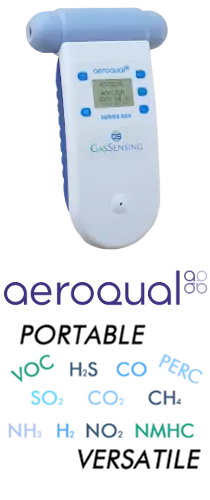
Diborane Monitors we offer:
Both fixed mount and portable sensors, along with replacement sensor heads from all the manufacturers we represent can be found using the links in the table below. For questions on what sensor might be right for you, Contact us today!
| Fixed Mount | Handheld | Replacement Sensors: |
 |
 |
 |
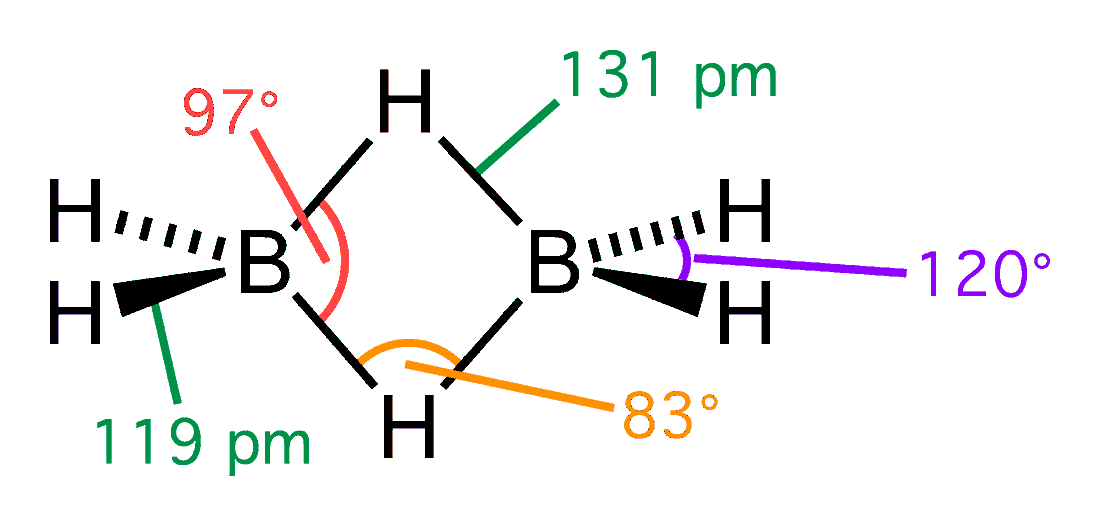
Diborane:

|
Other Names |
Boroethane |
|
Chemical Formula |
B2H6 |
|
CAS Number |
19287-45-7 |
|
Industry Uses |
Rocket Propellant; Electronics |
|
Health Risks |
Irritant: Skin, eyes, throat, and airway; Coughing, shortness of breath; lung and kidney damage |
|
Vapor Pressure |
39.5 atm |
|
Water Solubility |
Decomposes |
|
Flammability |
Very Flammable |
|
Odor |
Repulsive, Sweet |
Diborane MSDS
What is Diborane:
Diborane is a colorless gas with a repulsive, sweet odor. It is highly unstable as it mixes easily with air and forms explosive mixtures. Diborane ignites spontaneously in moist air at room temperature. Diborane is used in rocket propellants, as a reducing agent, catalyst for hydrocarbon polymerization, and as a doping agent. It also is used in electronics to impart electrical properties to pure crystals. Diborane is extremely flammable and may explode if heated under pressure. It is a strong irritant and is toxic if inhaled causing organ damage.
Diborane Exposure and Health Risks:
Diborane is toxic when inhaled. Whether short term exposure to high concentrations or long term exposure to low concentrations, diborane inhalation will result in adverse health effects like organ damage. Symptoms can appear immediately, but can be delayed for hours after exposure. Symptoms of diborane exposure include wheezing, coughing, shortness of breath, and chest pain. Diborane is highly toxic whether by inhalation, skin absorption, or ingestion. Lung and kidney damage is likely in the case of diborane poisoning. Diborane is a strong irritant, causing damage to skin, eyes, and mucous membranes.
Regulations:
The table below summarizes the most-recent exposure limits.
|
Limit/Level |
Type |
Organization |
|
Not Recommended |
AEGL-1 (8 hrs) |
EPA |
|
2.0 ppm |
AEGL-2 (10 min) |
EPA |
|
0.13 ppm |
AEGL-2 (8 hrs) |
EPA |
|
7.3 ppm |
AEGL-3 (10 min) |
EPA |
|
0.46 ppm |
AEGL-3 (8 hrs) |
EPA |
|
0.1 ppm |
TWA (8 hrs) |
NIOSH |
|
0.1 ppm |
TWA (8 hrs) |
OSHA |
Measuring Diborane:
Diborane concentration in the air can be measured in units of parts per million (ppm). We carry portable and fixed diborane monitors and kits, and all of our diborane products can be found using the table near th top of the page.

All sensors require a yearly calibration to ensure your gas measurements are accurate and performing within manufacturer standards. This page is desiccated to the individual manufacturers we represent and their specific calibration procedures.
**Calibration Service Request Form **
Calibration Costs:Calibration costs do vary, see below to get an estimate: Calibration Fee: $150 Analyzer Calibration Fee: $300 PM Calibration Sensor Fee: $330 Genie Calibration Fee: $265 ATI Calibration Fee: $205 ** note that prices are subject to change per labor and parts required. |