
What Gas Do You Want To Monitor?
Shop By Brand













Ethylene
Ethylene products we offer:
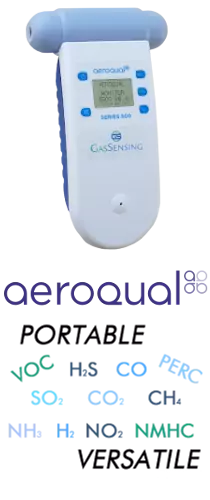
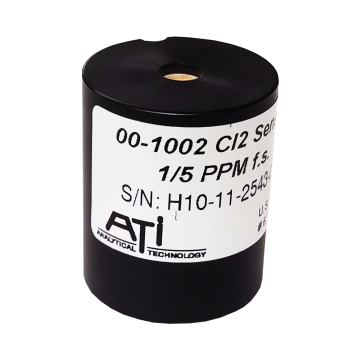
Both fixed mount and portable sensors, along with replacement sensor heads from all the manufacturers we represent can be found using the links below. For questions on what sensor might be right for you, Contact us today!
| Fixed Mount | Handheld | Replacement Sensors: | Calibration Gas: |
 |
 |
 |
 |
Ethylene:
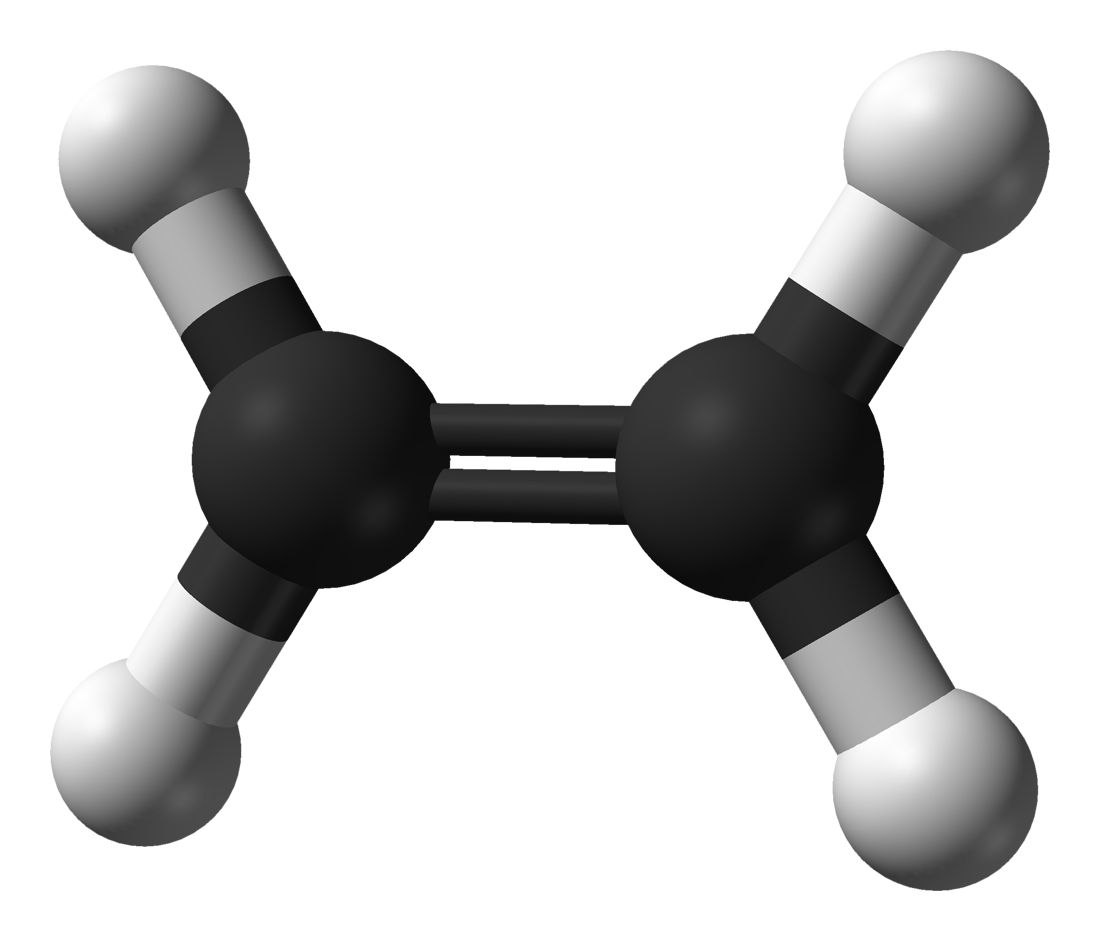
|
Other Names |
Ethene |
|
Chemical Formula |
C2H4 |
|
CAS Number |
75-85-1 |
|
Appearance |
Colorless gas with faint sweet odor |
|
Boiling Point |
–154.7 °F (–104 °C) |
|
Melting Point |
–272.4 °F (–169 °C) |
|
Molecular Weight |
28.05 g/mol |
|
Vapor Pressure |
~1200 psi at 70 °F |
|
Flammability |
Extremely flammable; LEL 2.75%, UEL 28.6% |
|
Odor |
Sweet, faint, ether-like |
What is Ethylene:
Ethylene is the simplest alkene and a vital building block in petrochemical production. It is a colorless, flammable gas with a faint sweet odor. In agriculture, ethylene acts as a natural plant hormone, regulating growth and fruit ripening. Industrially, it is used to produce plastics, solvents, and other chemicals.
Although ethylene itself is not highly toxic, it is dangerous because it can displace oxygen in confined spaces, leading to suffocation. It is shipped as a liquefied gas under pressure and poses explosion hazards if heated or exposed to flames.
Ethylene Exposure and Health Risks:
Generally low acute toxicity, but acts as a simple asphyxiant by displacing oxygen in enclosed spaces.
Can cause dizziness, headache, and unconsciousness at high concentrations due to oxygen deprivation.
Frostbite risk from contact with liquefied ethylene.
Classified as flammable gas, Category 1A (extremely flammable).
Industry Uses:
Petrochemical feedstock for plastics (polyethylene, ethylene oxide, ethylene dichloride).
Used in the production of solvents and refrigerants.
Agricultural use as a plant hormone to regulate fruit ripening and flowering.
Employed in welding and cutting processes as a fuel gas.
Regulations:
The table below summarizes the most-recent exposure limits.
|
Limit/Level |
Type |
Organization |
|
TWA (8 hrs) |
OSHA |
200 ppm |
|
TWA (8 hrs) |
NIOSH |
200 ppm |
|
IDLH |
NIOSH |
2700 ppm |
Measuring Ethylene Oxide:
Ethylene concentration in air is measured in parts per million (ppm). Portable and fixed ethylene monitors are available for industrial and agricultural applications.
Summary:
Ethylene (C₂H₄) is a critical industrial gas and natural plant hormone. It is extremely flammable and poses asphyxiation risks in confined spaces. While not highly toxic, safe handling requires strict monitoring, ventilation, and adherence to OSHA/NIOSH exposure limits.

All sensors require a yearly calibration to ensure your gas measurements are accurate and performing within manufacturer standards. This page is desiccated to the individual manufacturers we represent and their specific calibration procedures.
**Calibration Service Request Form **
Calibration Costs:Calibration costs do vary, see below to get an estimate: Calibration Fee: $150 Analyzer Calibration Fee: $300 PM Calibration Sensor Fee: $330 Genie Calibration Fee: $265 ATI Calibration Fee: $205 ** note that prices are subject to change per labor and parts required. |