Molybdate Magic
When it comes to keeping industrial water systems running smoothly, molybdate might not be a household name—but it certainly deserves attention. This simple chemical ion plays a vital role in protecting metal surfaces and boosting efficiency across cooling systems and power plants.
What Is Molybdate?
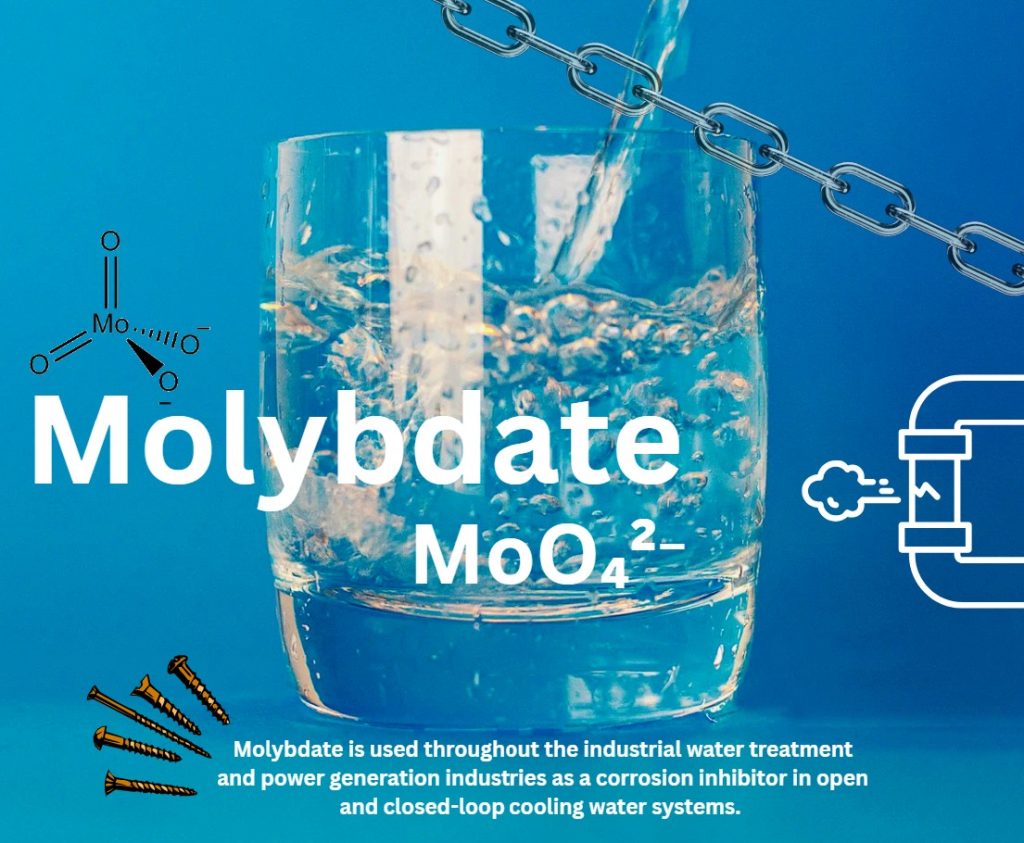
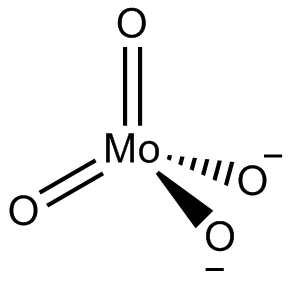
At its core, molybdate is the dissolved form of molybdenum in water, existing as the molybdate ion (MoO₄²⁻). Unlike the metal itself, this ion behaves a lot like familiar salts such as sulfate—but with a unique chemistry that makes it especially useful for industrial applications.
A Powerful Corrosion Inhibitor
Molybdate shines in its ability to protect metals from corrosion. In both open and closed-loop cooling water systems, the molybdate ions bond with oxidized iron on metal surfaces. This interaction forms a thin, stable film of molybdate and iron oxide that acts like a microscopic shield against further deterioration.
Safe and Sustainable
One of the biggest advantages of molybdate is its low toxicity. Compared to traditional corrosion inhibitors like chromates—known for their environmental and health concerns—molybdate is considered much safer for workers and ecosystems. In fact, there are currently no strict regulatory limits on molybdate levels in water.
Keeping an Eye on Concentrations
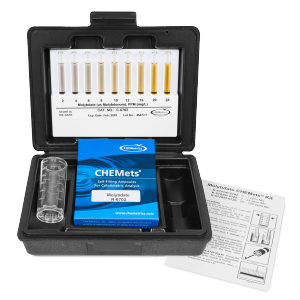
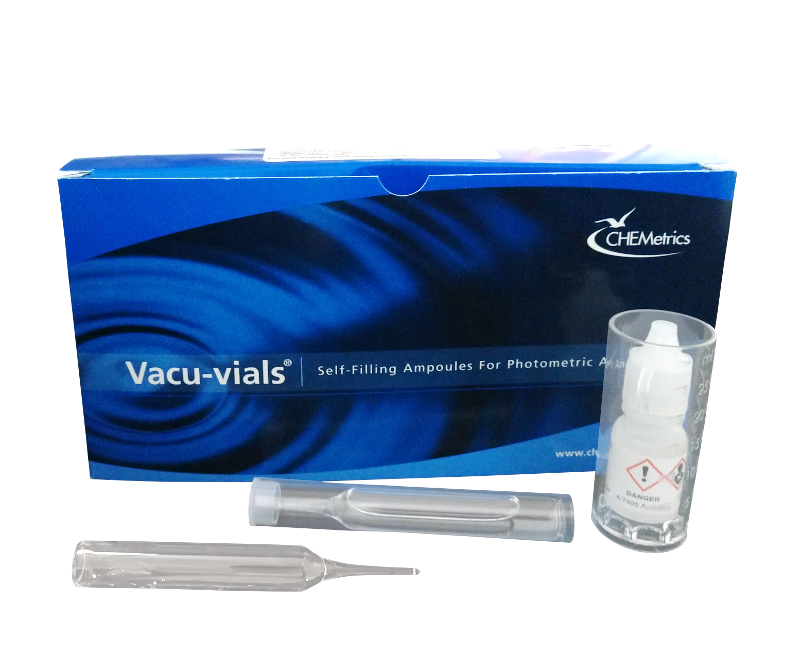
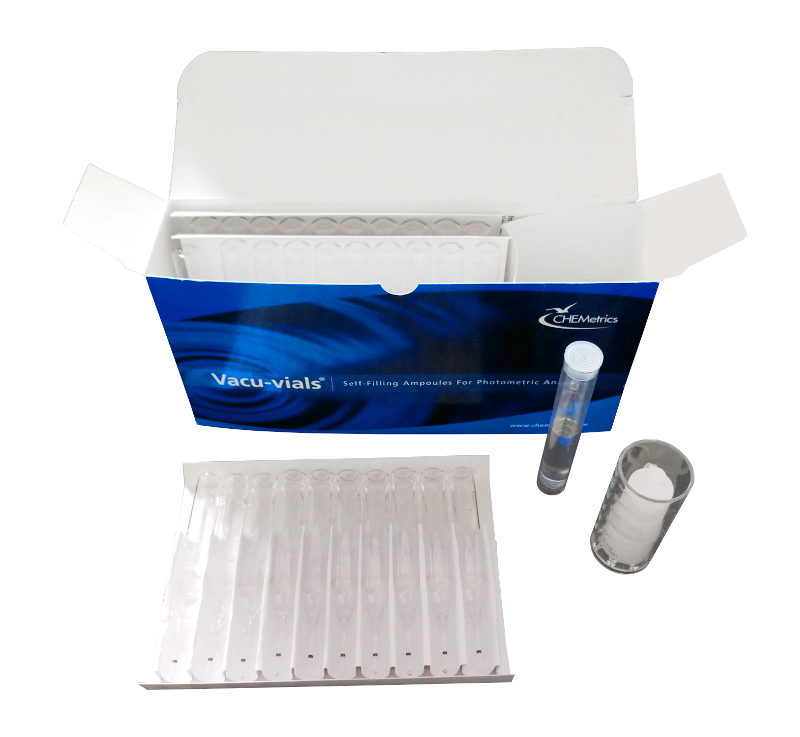
Even though molybdate is safe and effective, monitoring its concentration is essential. Water treatment professionals measure dissolved molybdate in parts per million (ppm) to ensure optimal performance and system balance. Specialized test kits can help with accurate, on‑site measurement.
Molybdate may not grab headlines, but it quietly safeguards critical infrastructure every day—an unsung star in the chemistry of corrosion control!
Products – Gas Sensing